Priya Sundaram
Covers what industrial ag does to land, water, and air — and the growers fighting to reclaim the ground beneath their feet. Soil health is her beat; extractive capital is her villain.
Recent reporting

California Communities Push Back on Carbon Capture Plans
Environmental justice groups are warning that California's new carbon capture program could benefit corporations more than the climate or farmland protection.

What Is Glyphosate, and Why It Matters
As federal agencies announce research into the herbicide's safety, a primer on what glyphosate is, how it's used in farming, and why the debate continues.

California's Paraquat Ban Opens Door for Wider Pesticide Crackdown
California's paraquat prohibition signals a shift in pesticide policy as evidence of long-term health risks, especially Parkinson's disease, mounts globally.

Ogallala farmers are taking control of water, one pivot at a time
Farmers across the High Plains are rethinking irrigation to conserve the Ogallala Aquifer. The choices they make now will determine whether family farming survives the drought ahead.

How one Michigan farm stayed in the family for a century
How one Michigan farm has thrived for a century under family leadership and now, female-led, shows the path forward for smaller operations resisting consolidation.

USDA backs regenerative farming with new pilot program
An executive order directs federal resources to support farmers transitioning to regenerative agriculture at scale. The question: can it compete with corporate ag consolidation?

Why California's paraquat ban matters everywhere
California is phasing out a toxic herbicide. When the industry refused to provide safety data, it revealed why other states should follow suit.

USDA Funds 194 Value-Added Ag Projects, 80 Going to Beef Producers
USDA's $26.5 million grant round shows farmers are fighting consolidation by keeping more value on farm. Here's what the program does and who can apply.

USDA Launches $400K Grants to Fight PFAS Contamination on Farms
The Department of Agriculture is funding research to understand and remediate forever chemicals poisoning American farmland, soil, and water supplies.

Four decades of soil: How one family broke the extraction cycle
Jim and Susan Braddock transformed their Midwest operation through 40 years of conservation, proving that rebuilding soil is both possible and economically viable.

Farm succession: The quiet fight to keep land in family hands
Strategic estate planning can prevent land sales and consolidation. Here's how the next generation secures both their future and the farm.

EPA air monitors disappearing—farmers and farmworkers lose the right to know
Budget cuts and regulatory rollbacks are dismantling EPA air monitoring networks. Farmers and agricultural workers lose the data needed to track pollution from their own operations and neighboring facilities.

UN declares PFAS a human rights crisis
The United Nations warns that 'forever chemicals' found in nearly everyone's blood demand urgent action. What that means for American farmland.

Big Food co-opts regenerative ag while consolidating power
Danone, Mars, and Nestlé are using regenerative agriculture as a marketing tool. The real story: consolidation deepens while farmers get the bill.

Ag pollution thrives when air monitors disappear
EPA air monitors are disappearing from rural regions. Livestock and pesticide operations escape scrutiny. Industrial farms exploit the gaps.

USDA isn't ready for climate-driven farm pests and disease
A federal watchdog report finds the agriculture department has failed to adequately prepare for the changing pest and disease threats that climate change is creating.

Record Outbreak Ends. The Food Safety Reckoning Begins.
A cyclospora outbreak linked to one producer sickened 12,000 people and killed two. It exposed the fragility of consolidated produce supply chains.

Chemours Agrees Record PFAS Settlement in North Carolina
After years of contamination, the chemical giant settles with North Carolina over PFAS pollution. What it means for farmland and water.

Building the Food System Big Ag Can't Control
A new Civil Eats handbook shows how local food systems and farmers markets become the practical antidote to consolidation and corporate control of what gets grown and sold.

EPA Guts Chemical Plant Pollution Rule, Industrial Farms Cheer
Hard-won protections against chemical contamination are being dismantled, leaving farmland and groundwater vulnerable to industrial discharge.

Screwworms at the Border: A Tropical Pest Creeps North
A livestock-devastating parasitic fly once eliminated from the US is resurfacing at the southern border, forcing ranchers and federal agencies into emergency response.

Trump's Latest Waters Rule Would Gut Protections Farmers Need
A proposed federal rule eliminating wetland and stream protections would deepen agricultural water pollution and strip farm country of crucial environmental safeguards.

Gulf's Dead Zone Hits 40-Year Low
For the first time in a generation, the Gulf of Mexico's oxygen-starved dead zone has nearly disappeared, a sign that agricultural runoff controls are finally working.
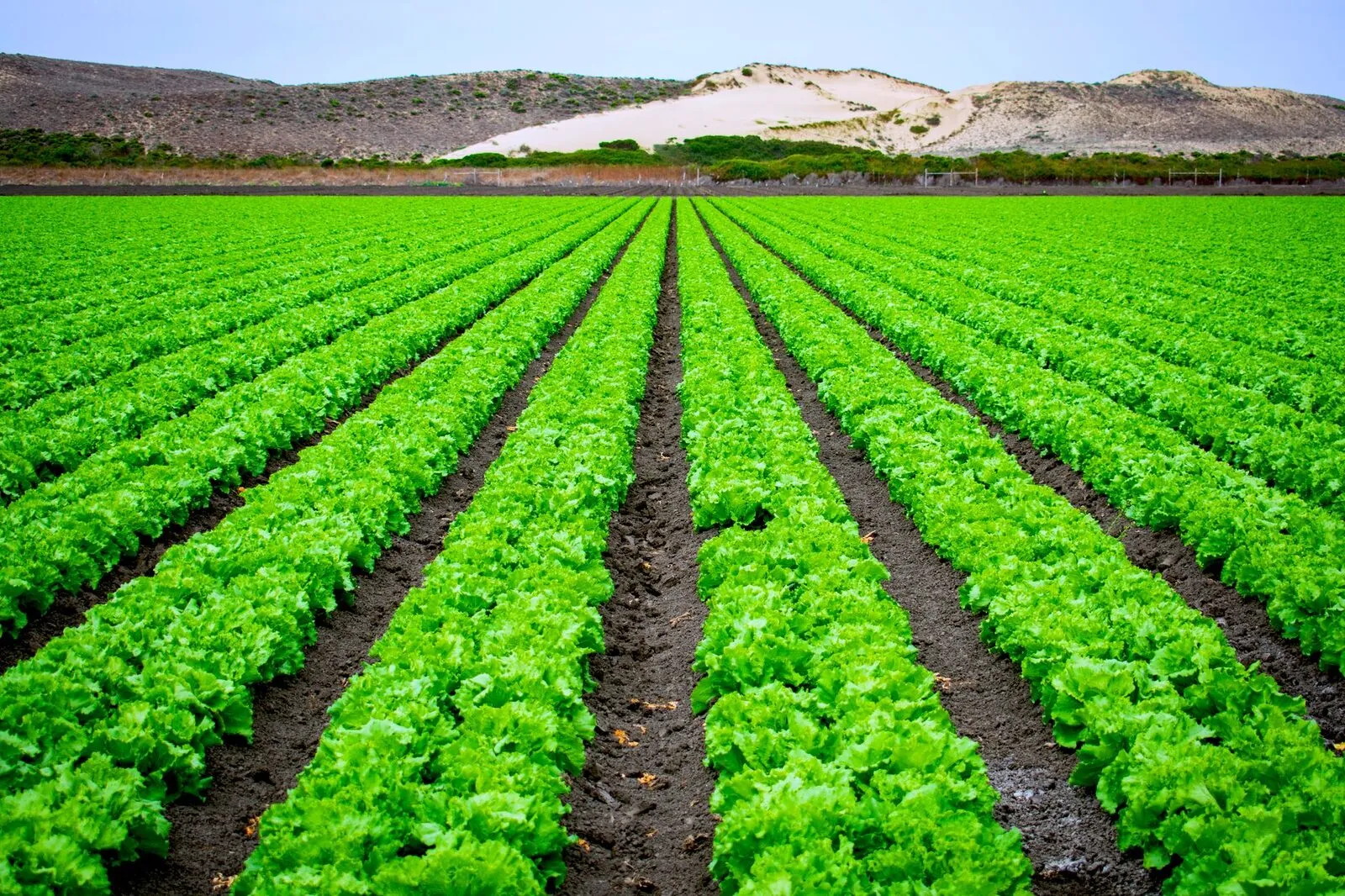
Food Safety Fears Send Salinas Valley Farmers to the Brink
Consumer caution over contamination concerns has left California's produce heartland with plummeting sales, abandoned crops, and layoffs at struggling farms.
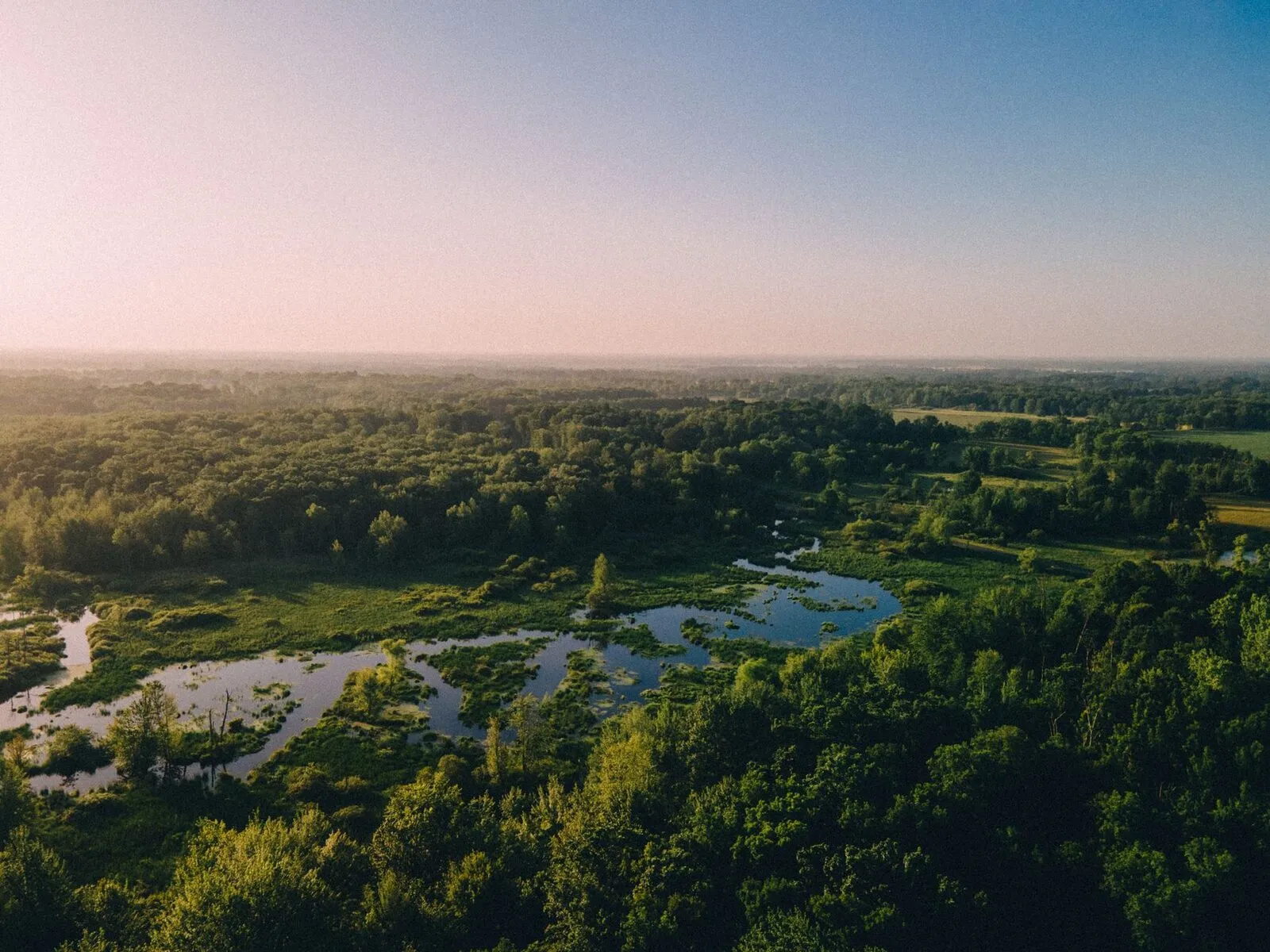
John Boyer and Michigan Land Preservation: How Land Trusts Fight Farmland Loss
John Boyer's East Jordan, Michigan story captures the land preservation fight — and how land trusts use conservation easements to keep family farmland from developers and speculators.
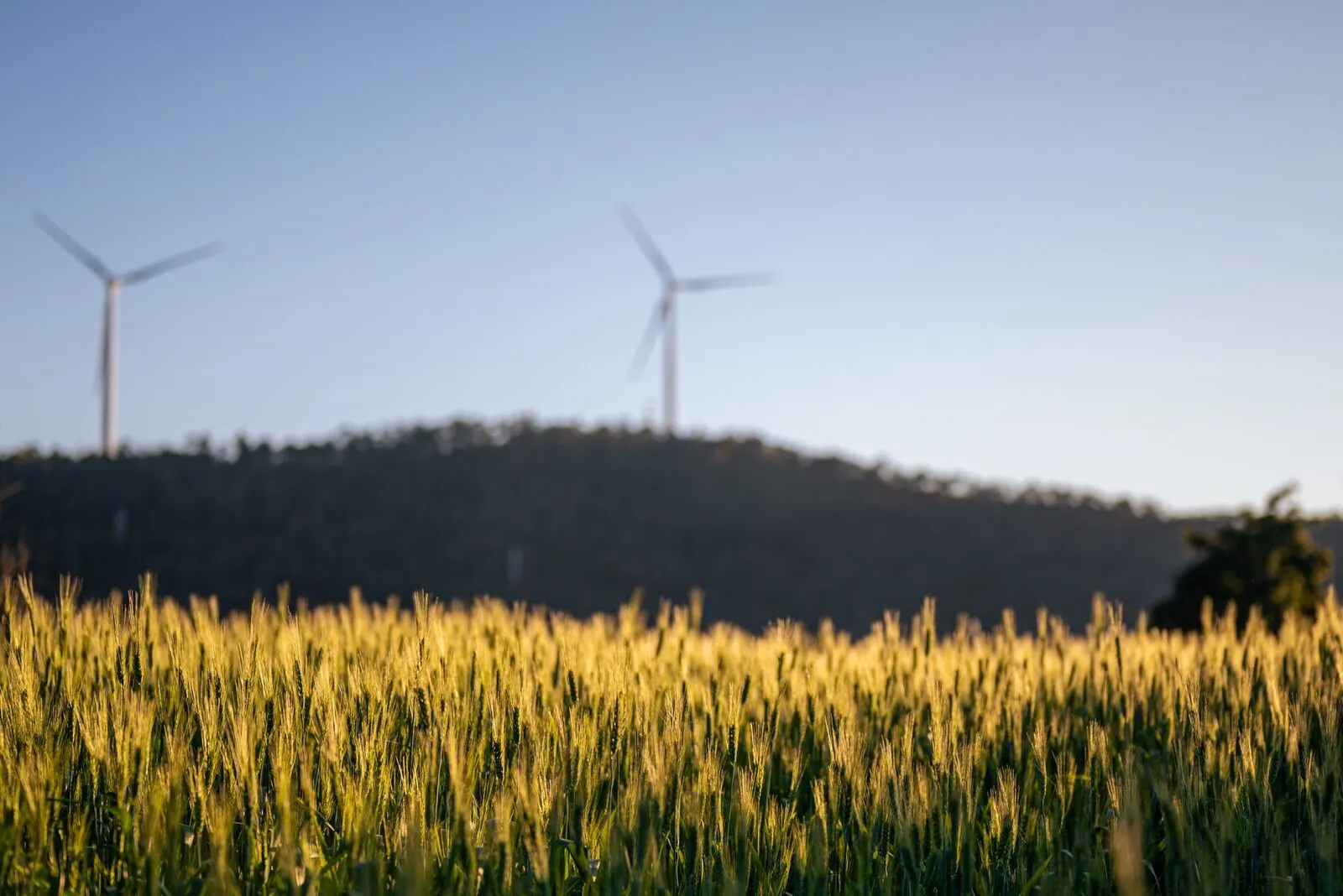
Farm Bill Must Fund Climate Action or AG Emissions Will Spiral
Agriculture's share of U.S. emissions could balloon from 10% to 41% by 2050 without major conservation funding. The next farm bill is the moment to act.

USDA Shelves Cyclospora Research as Food Safety Gaps Widen
Funding cuts force USDA to shutter three cyclospora research projects. The timing could not be worse as consumers worry about contaminated produce.
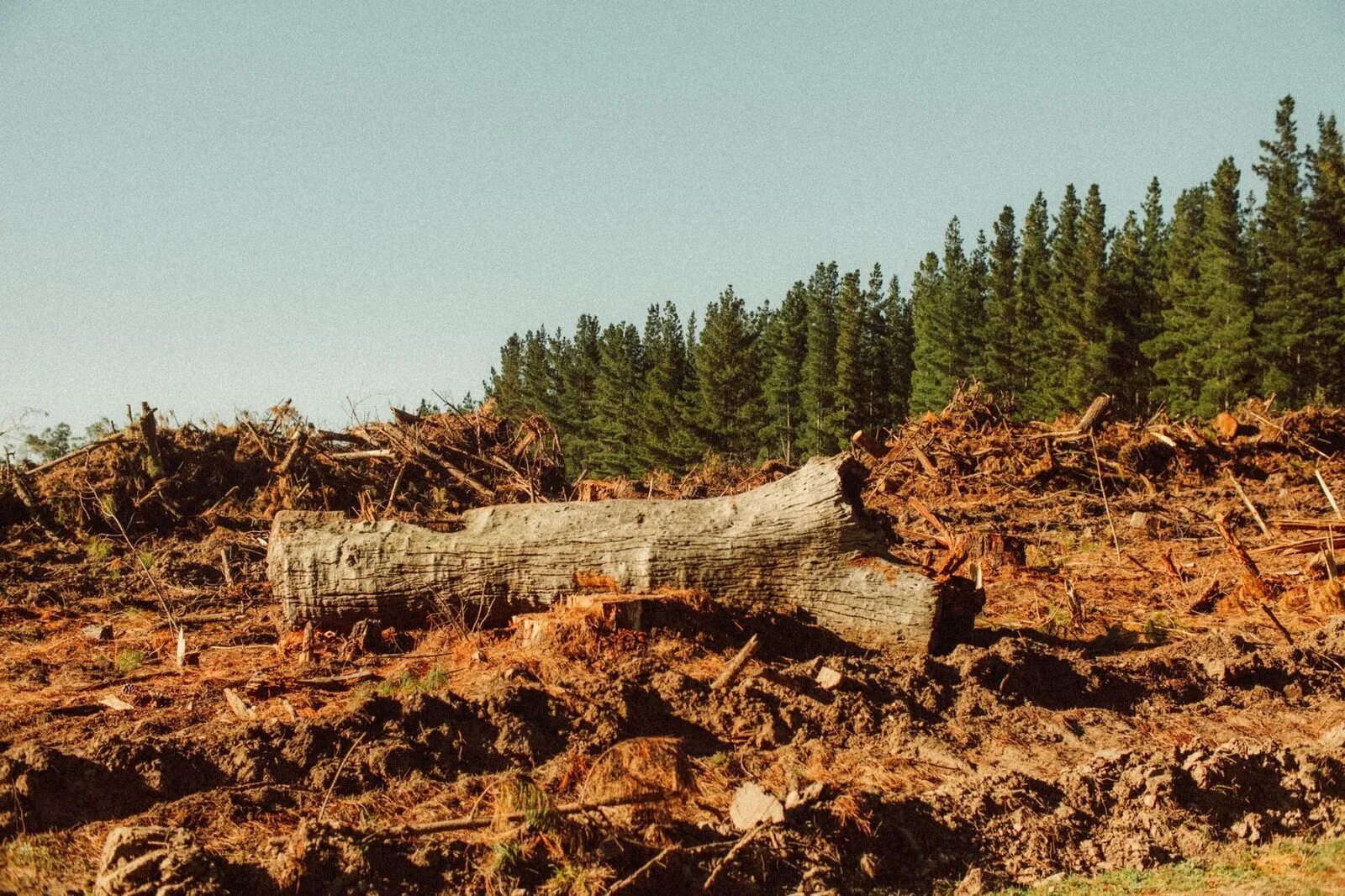
Roadless Rule Under Threat: What Logging 45 Million Forest Acres Means for Farms
The Trump administration is moving to open millions of acres of protected national forest to logging and development. For farmers, it signals accelerated climate chaos and eroded water sources.
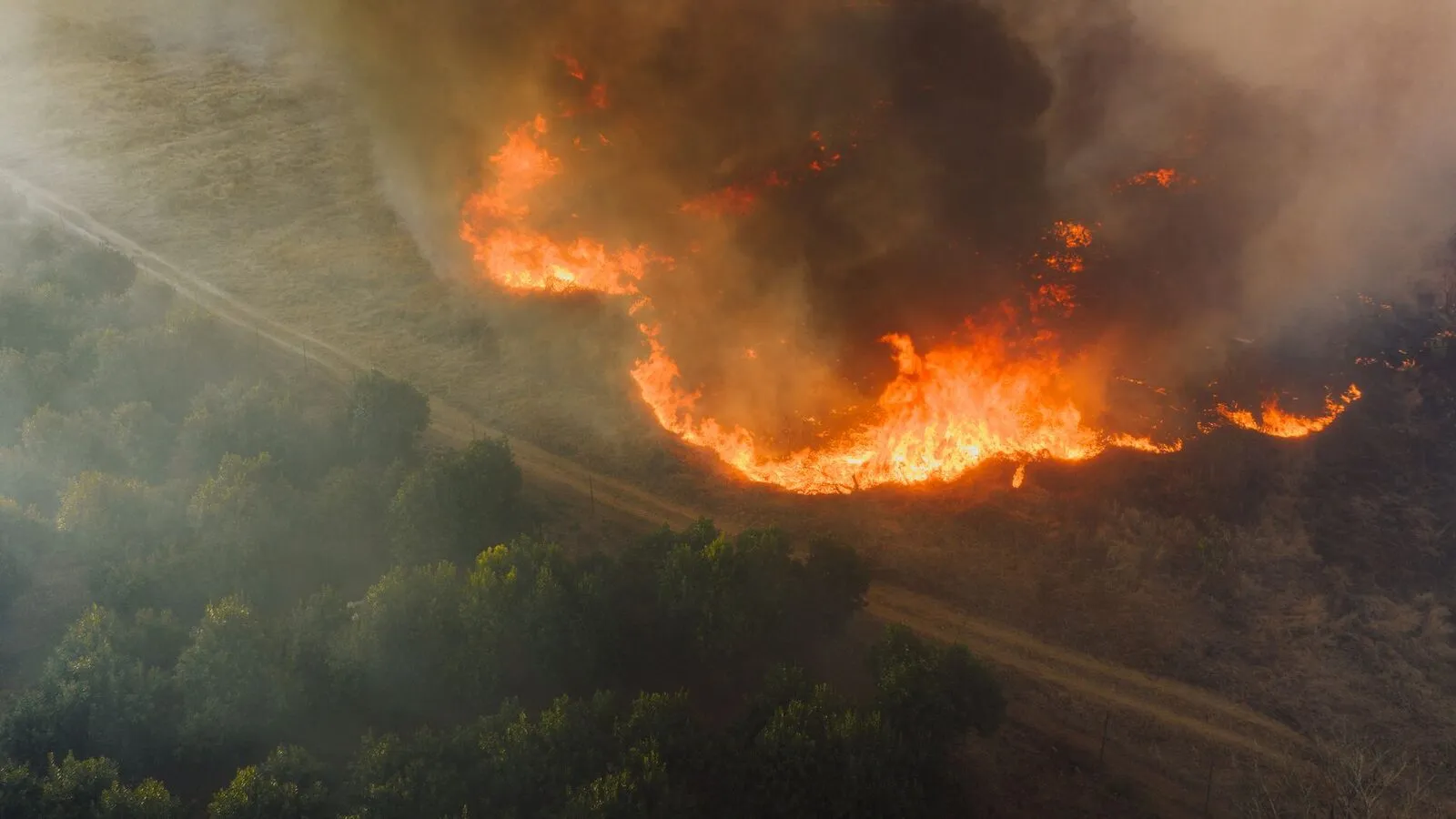
Western Wildfires Scorch 7.5M Acres, Displace Ranchers
Thirty-seven fires have burned 7.5 million acres across the Pacific Northwest. Ranchers face years of lost grazing land as recovery timelines stretch impossible.
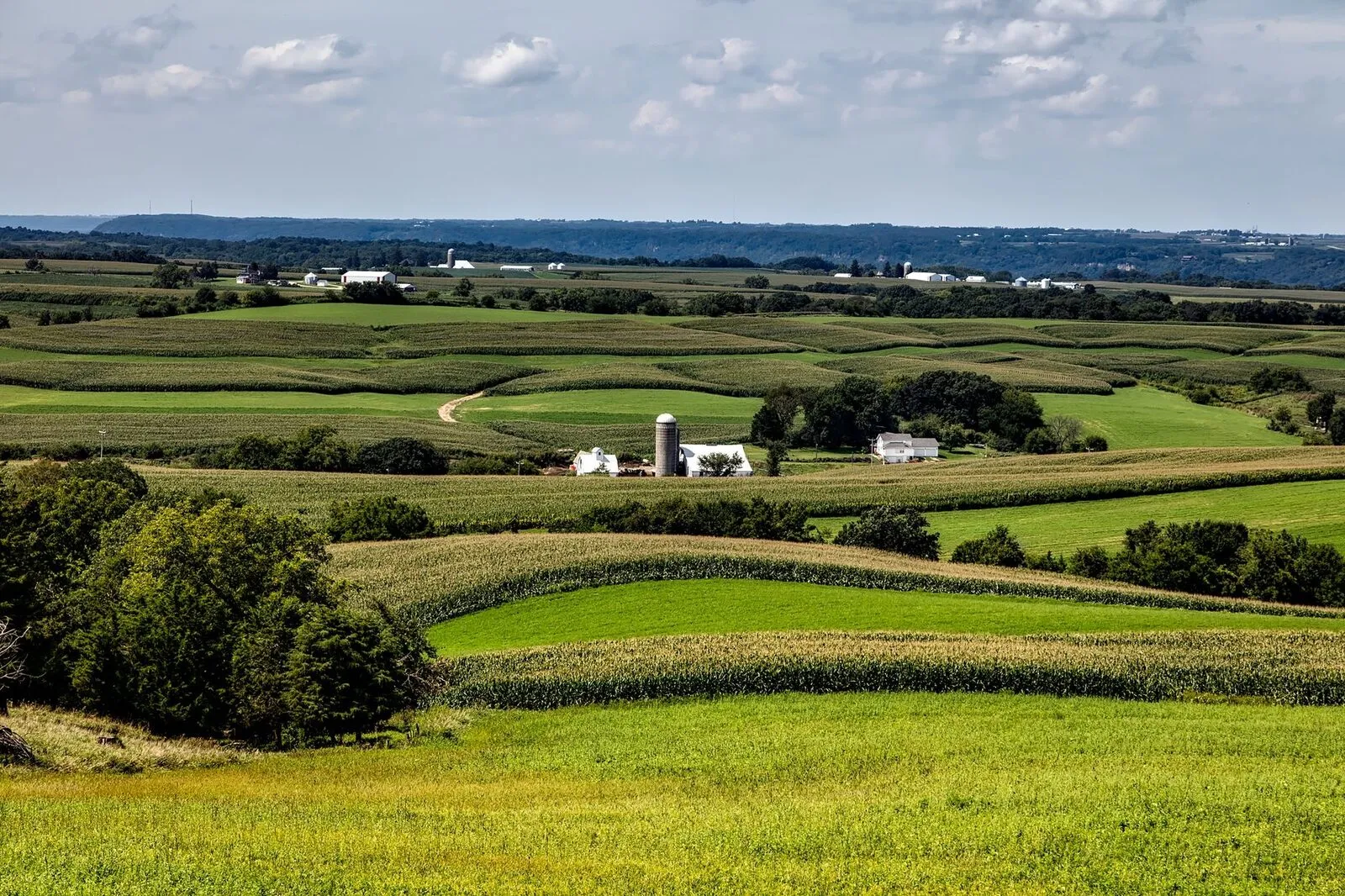
Iowa's bet on beginning farmers: tax credits alone won't cut it
Iowa's largest tax incentive for new farmers supports a handful of beginners yearly. The program reveals a harder truth: subsidizing access isn't the same as solving why young people can't afford to farm.
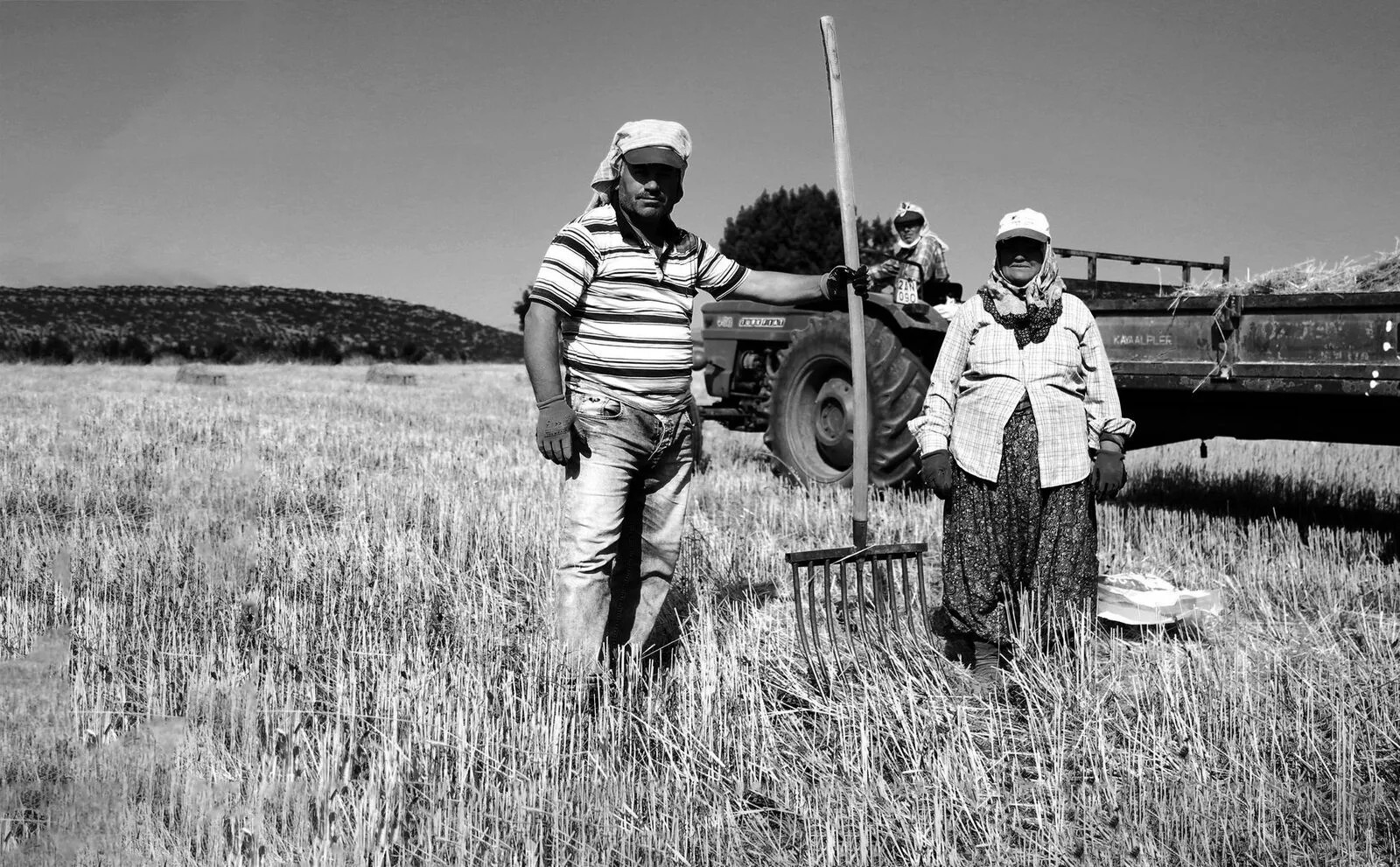
The real history of Black farming: recovering the NFA legacy
A forgotten agricultural organization trained generations of Black students in the segregated South. Now historians are recovering its story—and its lessons for young farmers today.
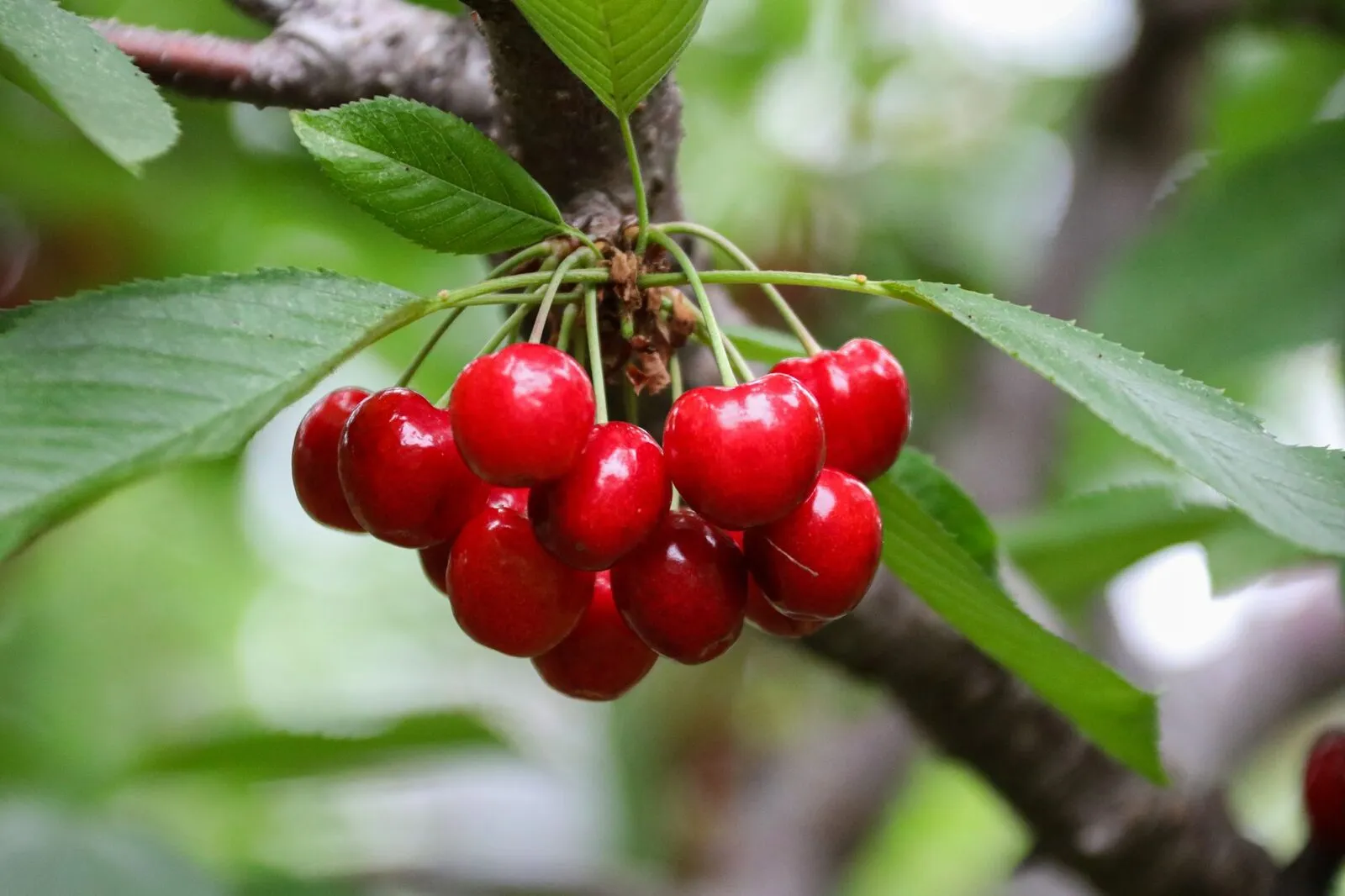
Climate's Cherry Crop Reckoning Hits Michigan Hard
Traverse City's cherry harvest, a generational livelihood, faces a cascading climate crisis: bud kill, frost damage, and unsustainable water demands threaten the region's iconic fruit.
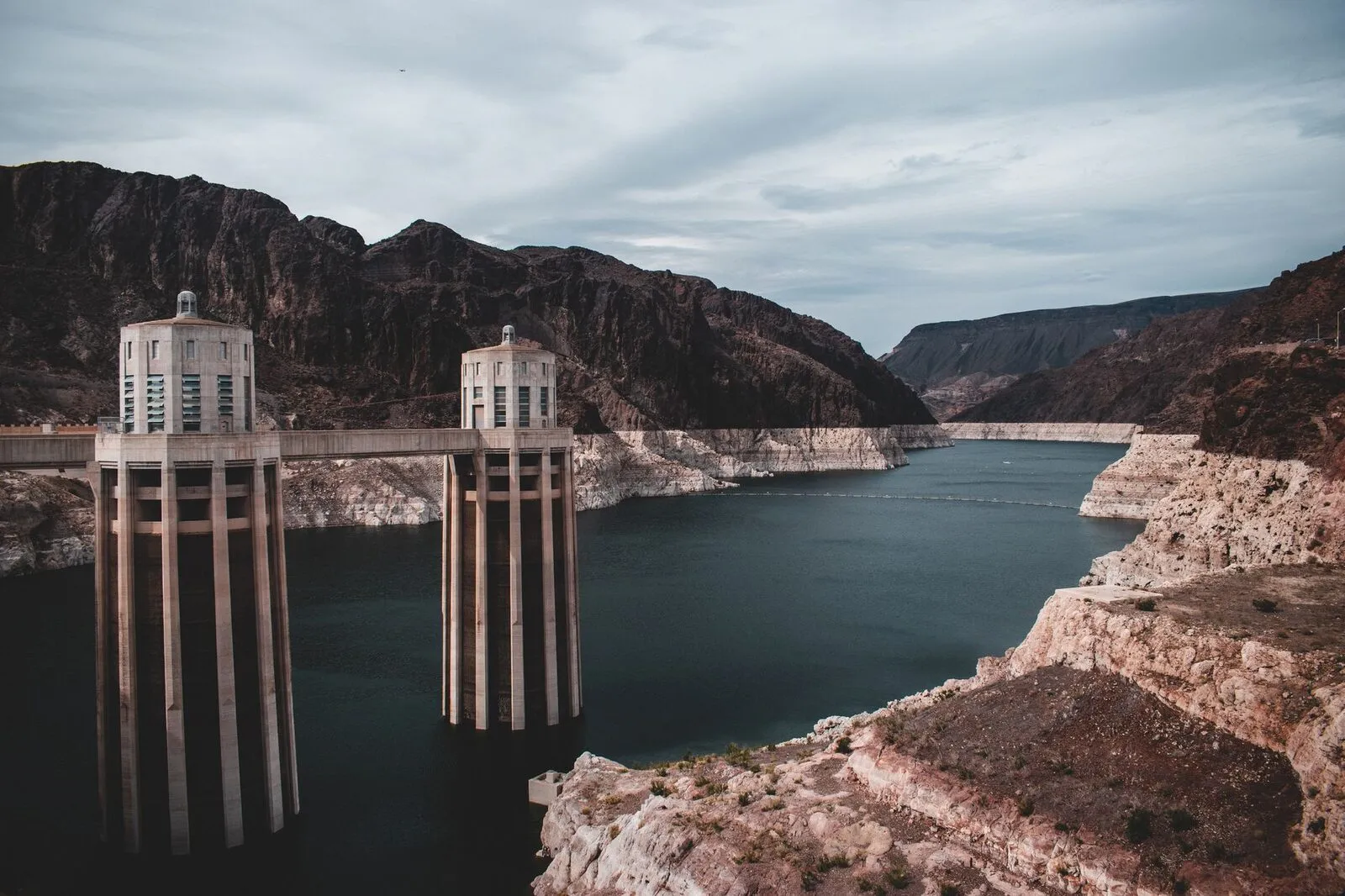
Southwest farmers face steep water cuts as Colorado River dries
The Department of Interior announced drastic reductions to Colorado River allocations, threatening irrigation farmers in three Western states and signaling harder times ahead for drought-stressed agriculture.
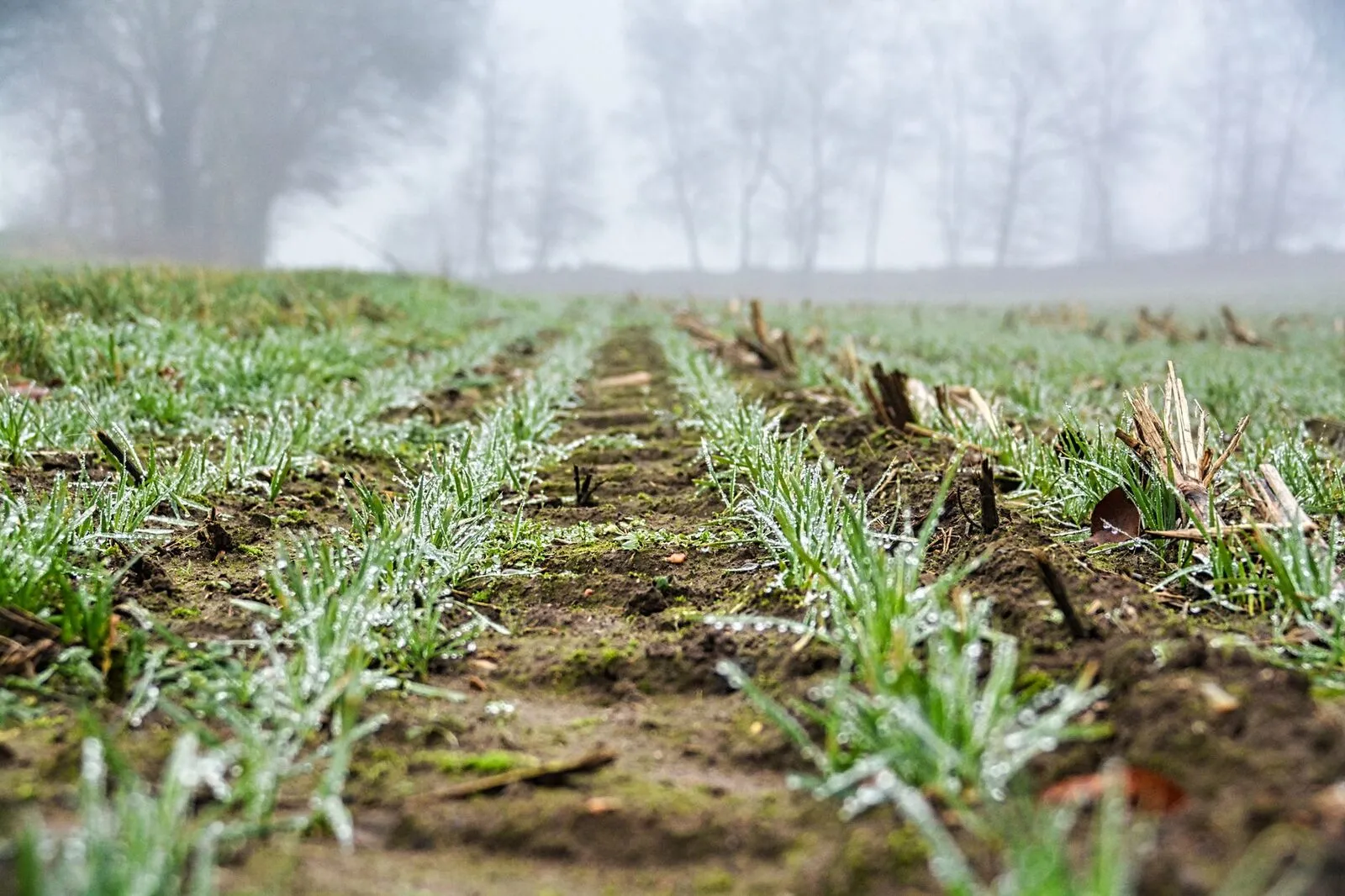
Climate Grants Finally Coming to Rural Farms. Will Farmers See a Dollar?
A court order forces the release of billions earmarked for rural climate work. But getting that money to family farmers depends on federal agencies moving fast and designing programs that actually fit farm economics.
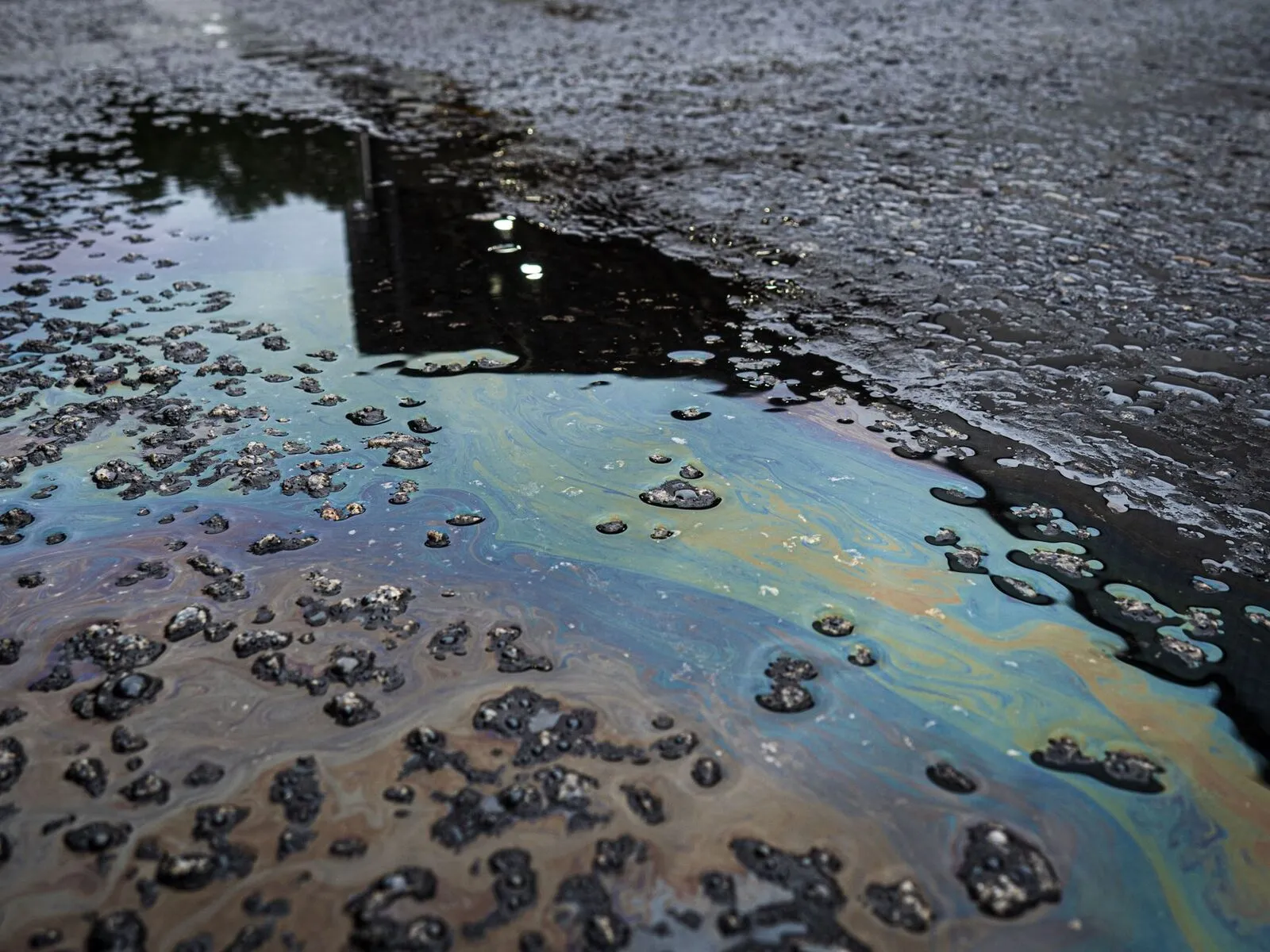
Federal Court Upholds EPA's First PFAS Hazard Standard
A federal appeals court unanimously rejected an industry lawsuit challenging EPA's landmark 2024 designation of two 'forever chemicals' as hazardous substances, protecting water supplies nationwide.
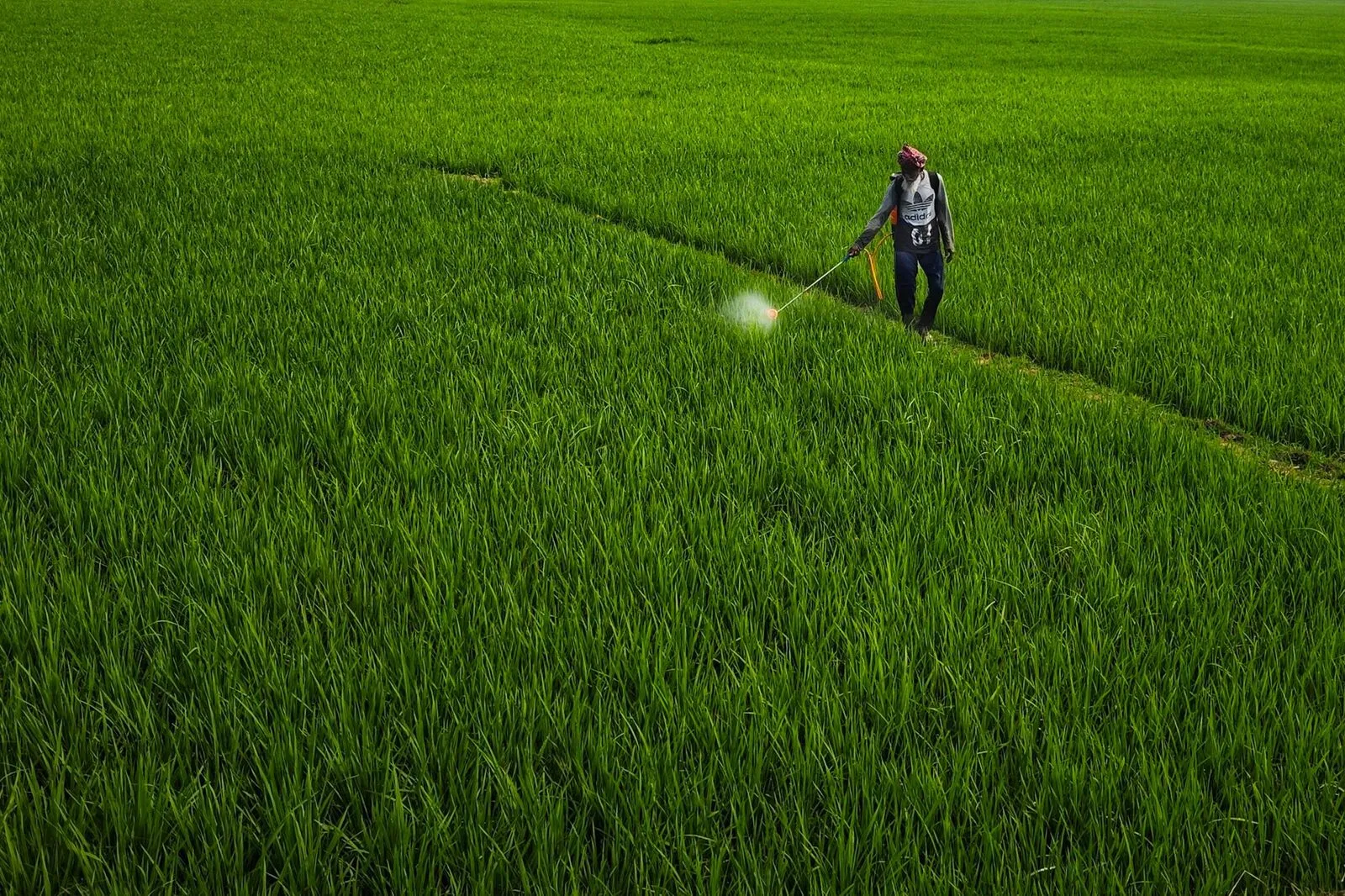
Illinois study pins weed-control costs in the hundreds of millions
Research on a potential glyphosate ban reveals the economic shock to Midwest farmers—and why alternatives aren't ready to scale.
Congress Eyes Cuts to the Programs Saving Small Farms
Two USDA conservation programs are under fire from House and Senate Republicans. Slashing their budgets would abandon farmers trying to go regenerative.
The Economics of Independence Are Starting to Work
As consolidated systems falter and policy shifts, small farmers can finally build viable alternatives. The numbers—and USDA support—are changing.
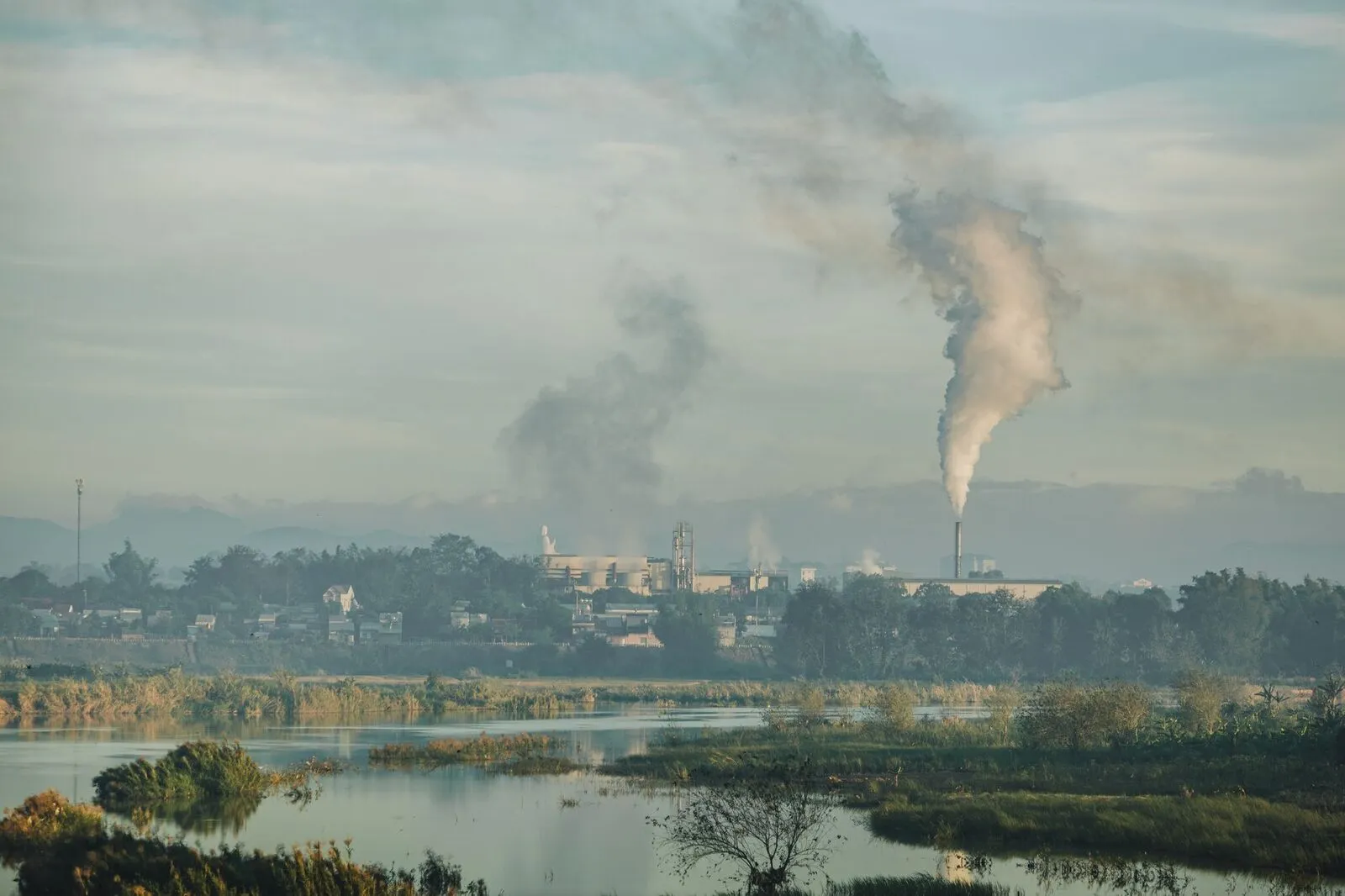
NC's Poultry Boom Is Drowning Its Water Supply
Factory farms in North Carolina house 421 million birds generating 3.6 million tons of manure annually, contaminating drinking water and threatening public health.

45 Million Acres Opened to Logging and Drilling
Trump administration resccinds 25-year forest protection rule, exposing vast tracts of national forest to extraction and threatening rural communities.
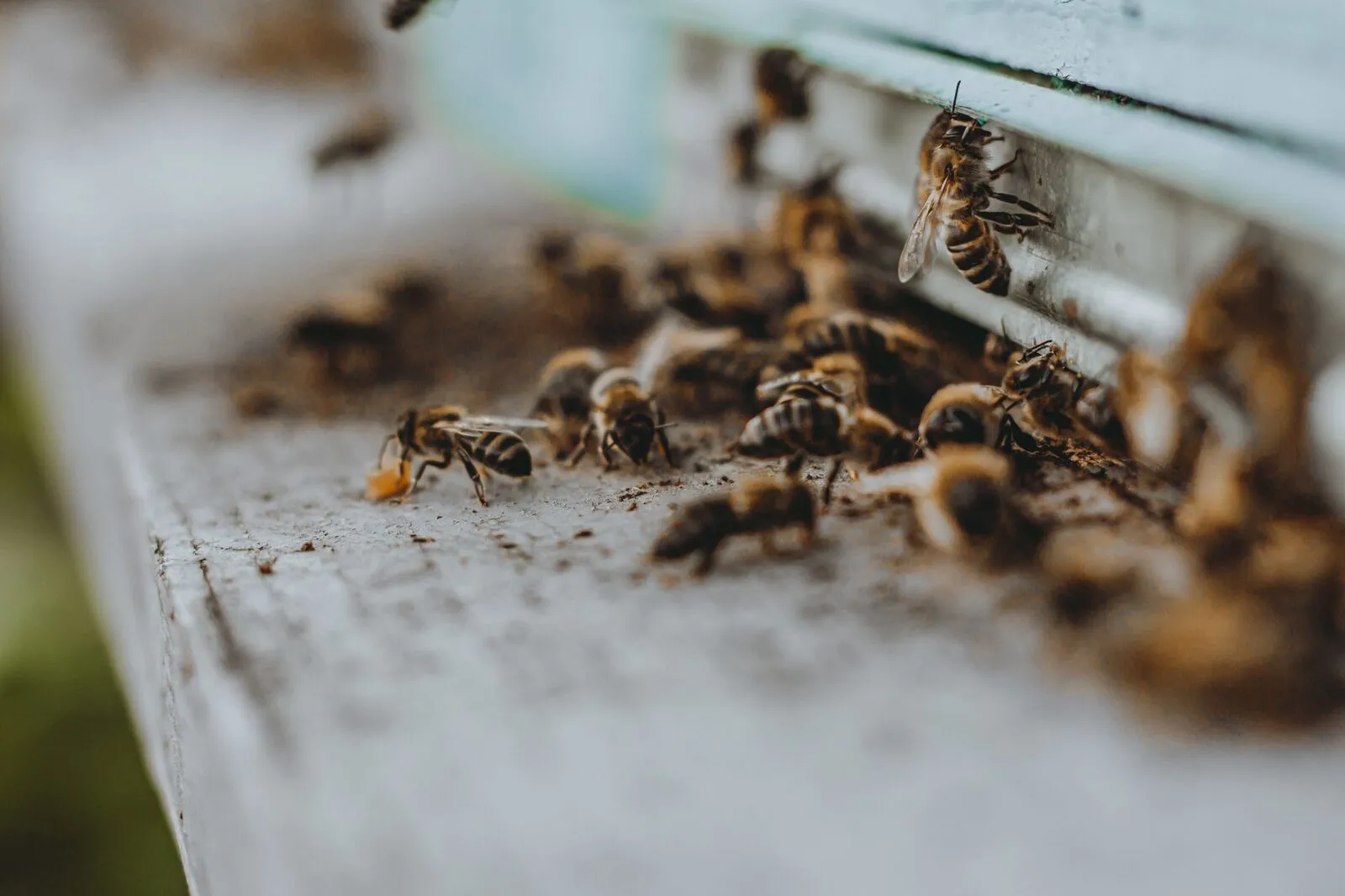
Bees and Soil: Regenerative Farming Reclaims Ground
As pollinator populations plummet, farmers are finding that building soil health and diverse crops offer solutions. Inside the movement to farm for bees.
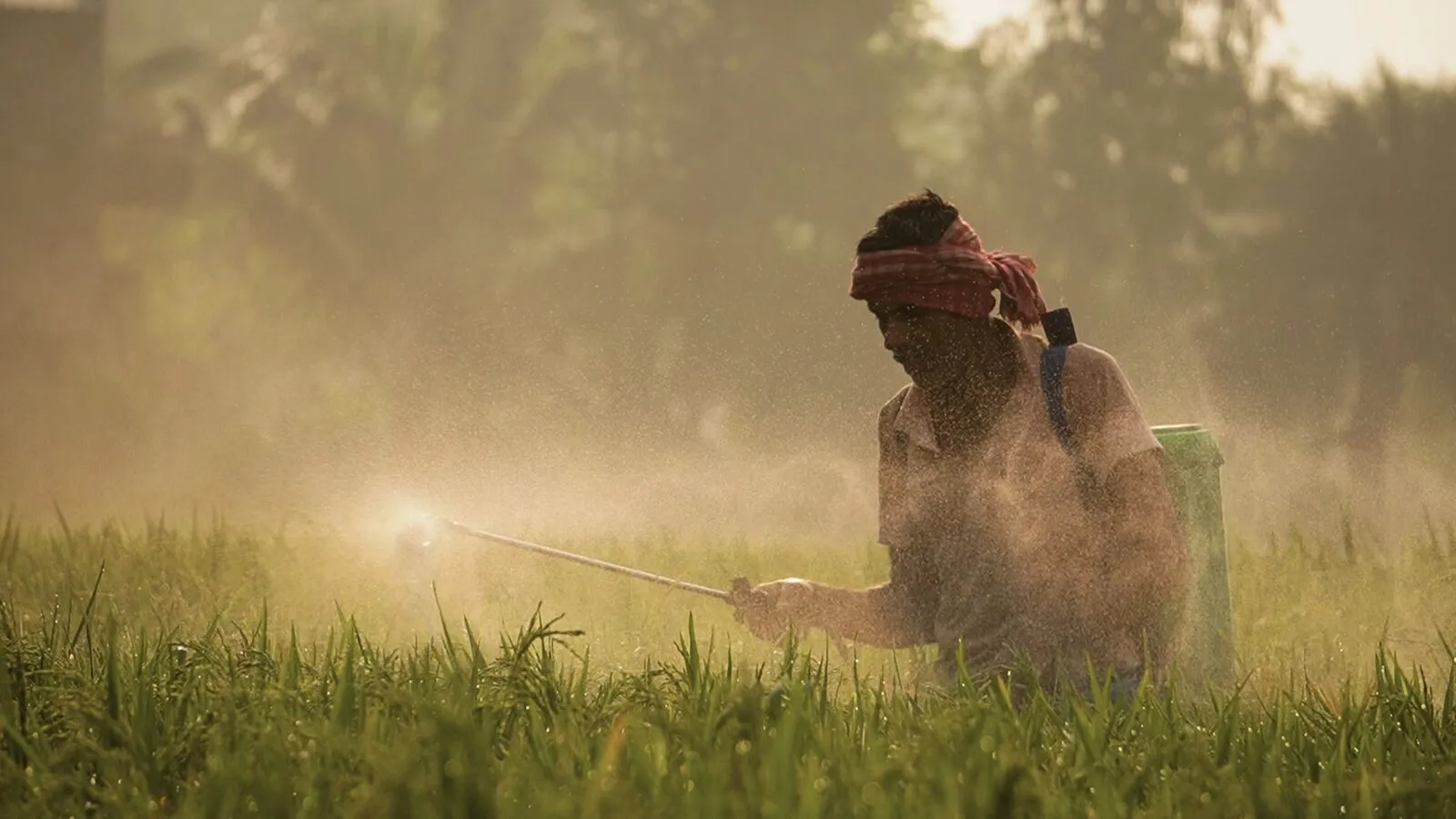
Illinois Diverts Pesticide Oversight Funds to Broader State Operations
Pesticide registration fees collected for enforcement are being redirected to general operations, leaving the program underfunded and oversight weakened.
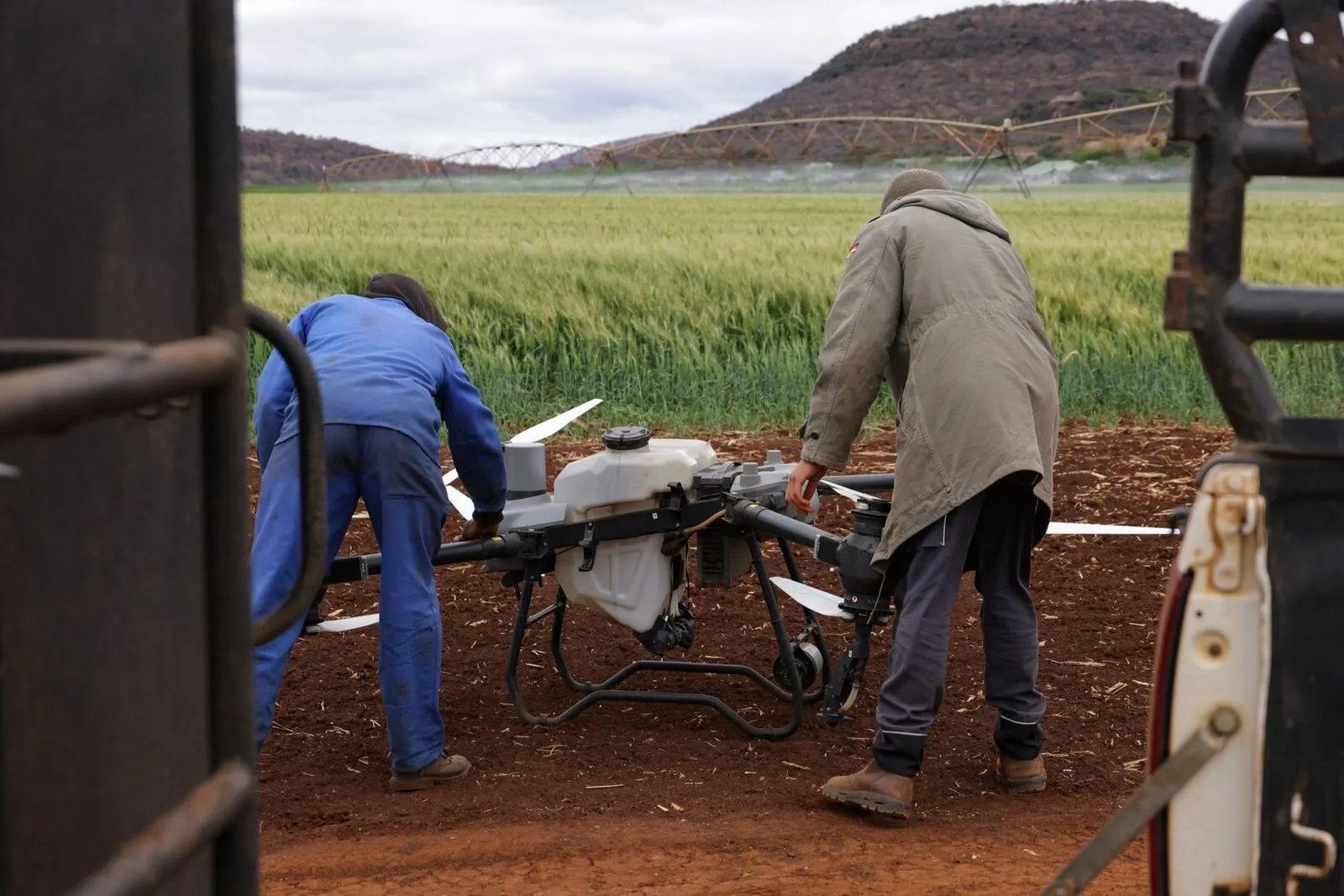
American Ag Drones Get Affordable—and Farmers Notice
Semiconductor breakthroughs are bringing precision agriculture within reach of family farms, finally challenging Chinese dominance and corporate equipment lockup.
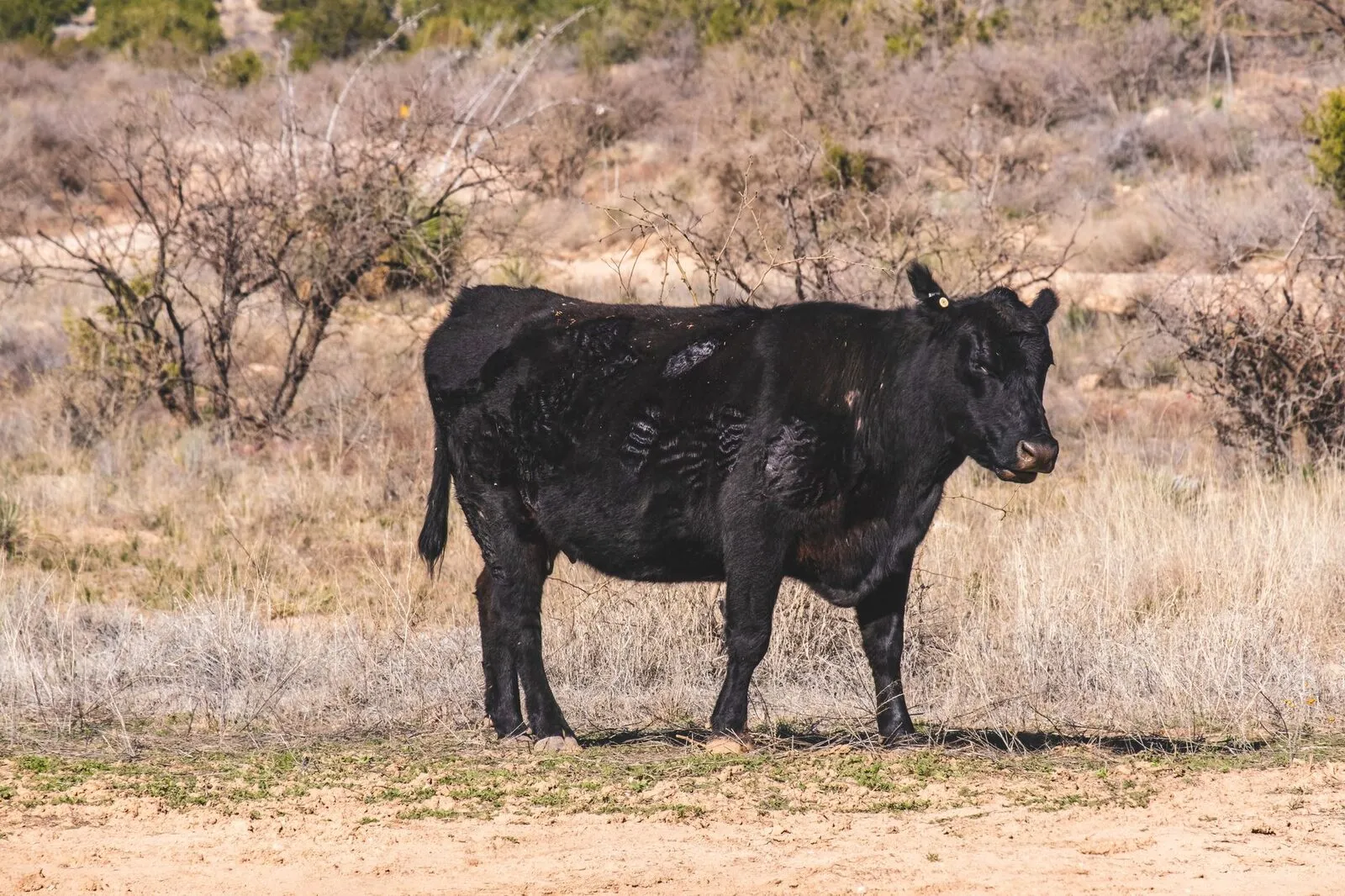
Summer Heat Chokes Cattle Across U.S. as Pasture Quality Fails
Extended heat and drought nationwide have left beef producers scrambling as pasture declines and cattle productivity falters, deepening economic pressure on family operations.

California Moves on PFAS as 'Forever Chemicals' Threaten Farmland
Four consumer safety bills clear appropriations committees, targeting toxic 'forever chemicals' that contaminate drinking water and agricultural soil across California.
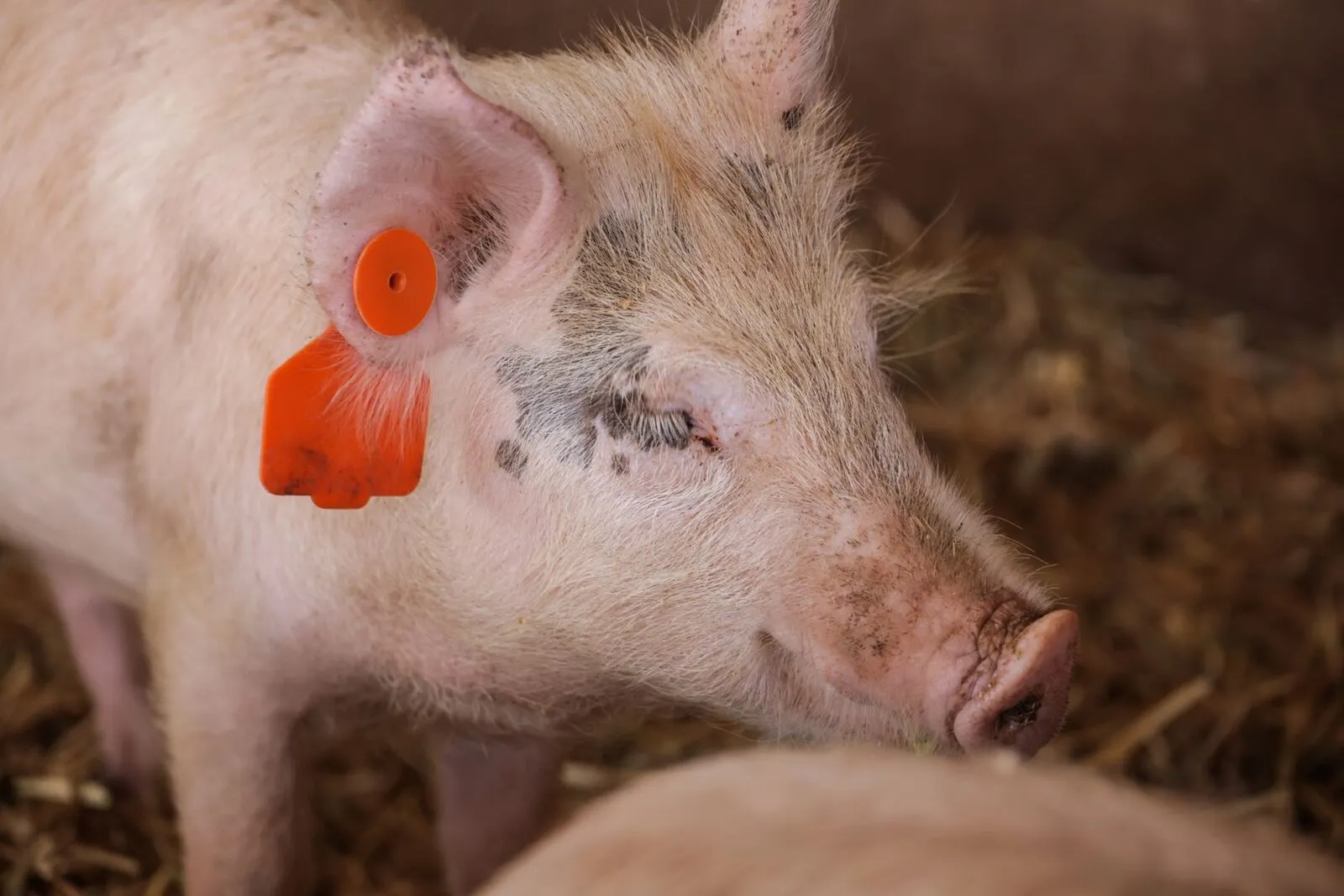
FDA tightens antibiotic oversight—what farms need to know
The FDA finalized a new framework to assess antibiotic risks in animal agriculture, marking a shift toward preventing resistance that threatens human health.
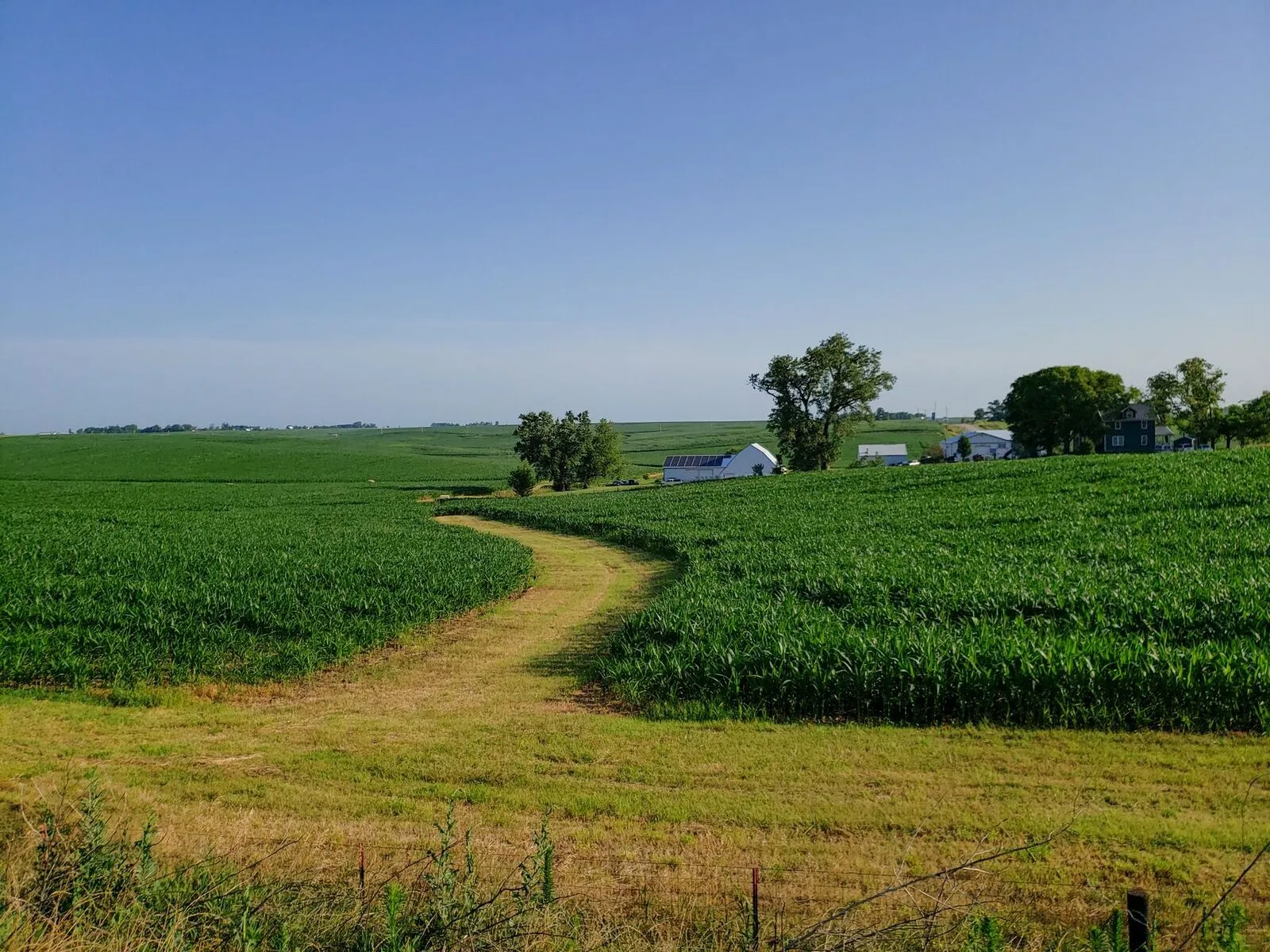
Soil Scientist Put His Farm Where His Mouth Was
An NRCS soil specialist bought farmland and rebuilt it with regenerative ag practices to prove that soil health wasn't just theory—it was survival.
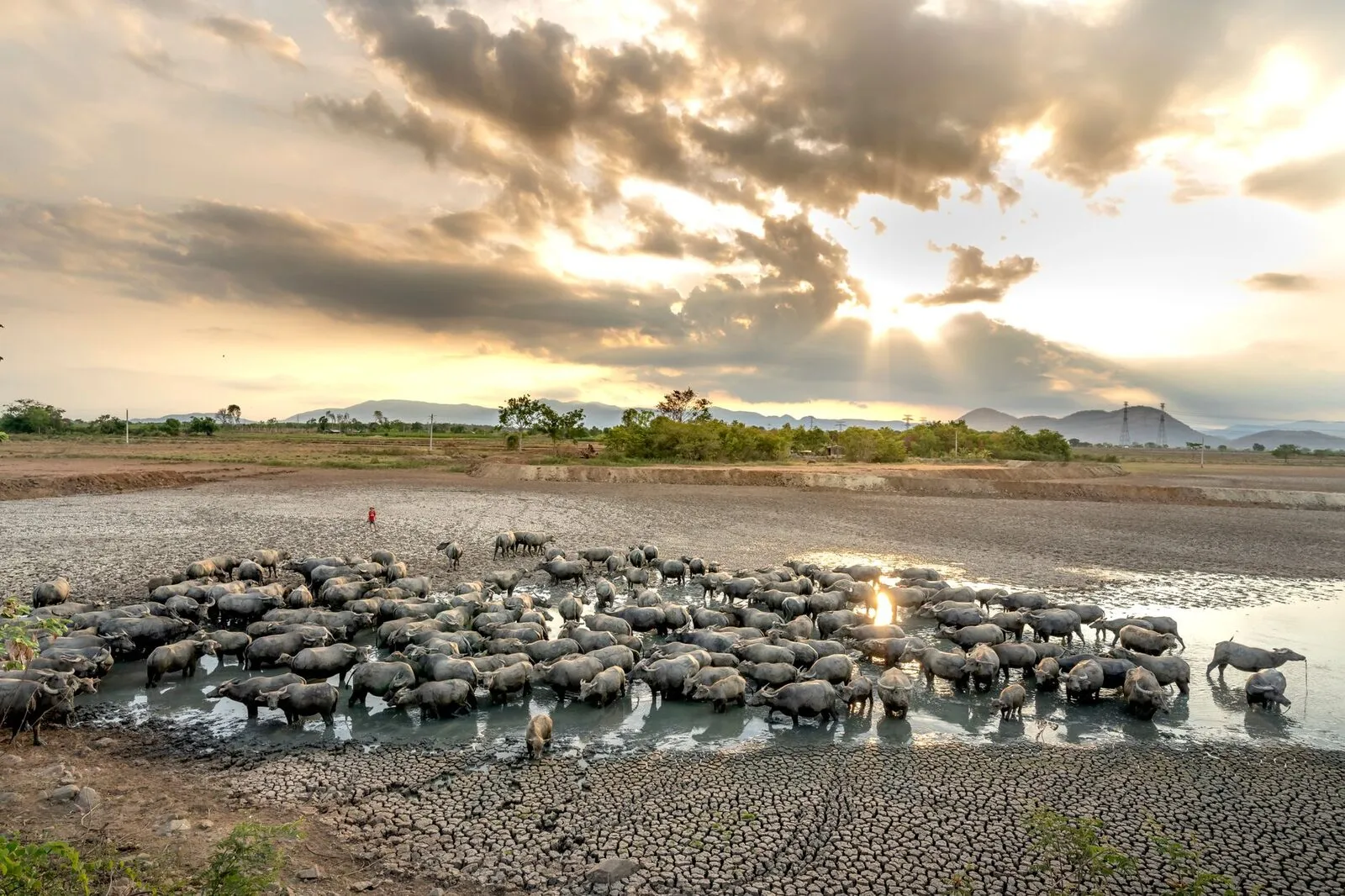
Ticks are farming's new climate crisis—and farmers can't escape them
Climate warming is fueling tick populations faster than ever. Farmers and their livestock are paying the price as parasites spread north and multiply.
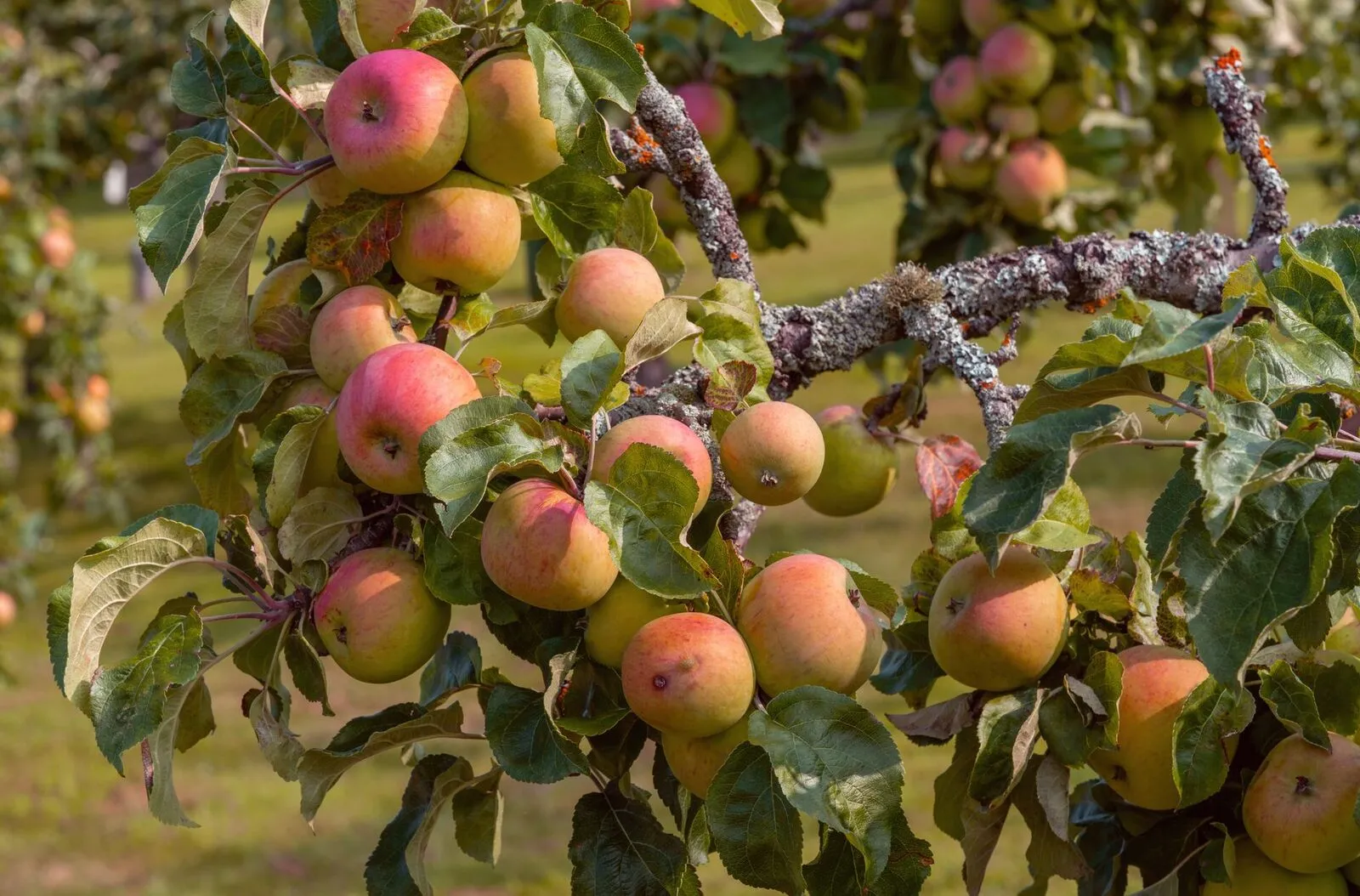
Thirty years ended: orchards face a year with no harvest
After three decades of work, family orchard owners are watching their fruit crops fail—a climate-driven crisis hitting aging farmers and young growers hard.
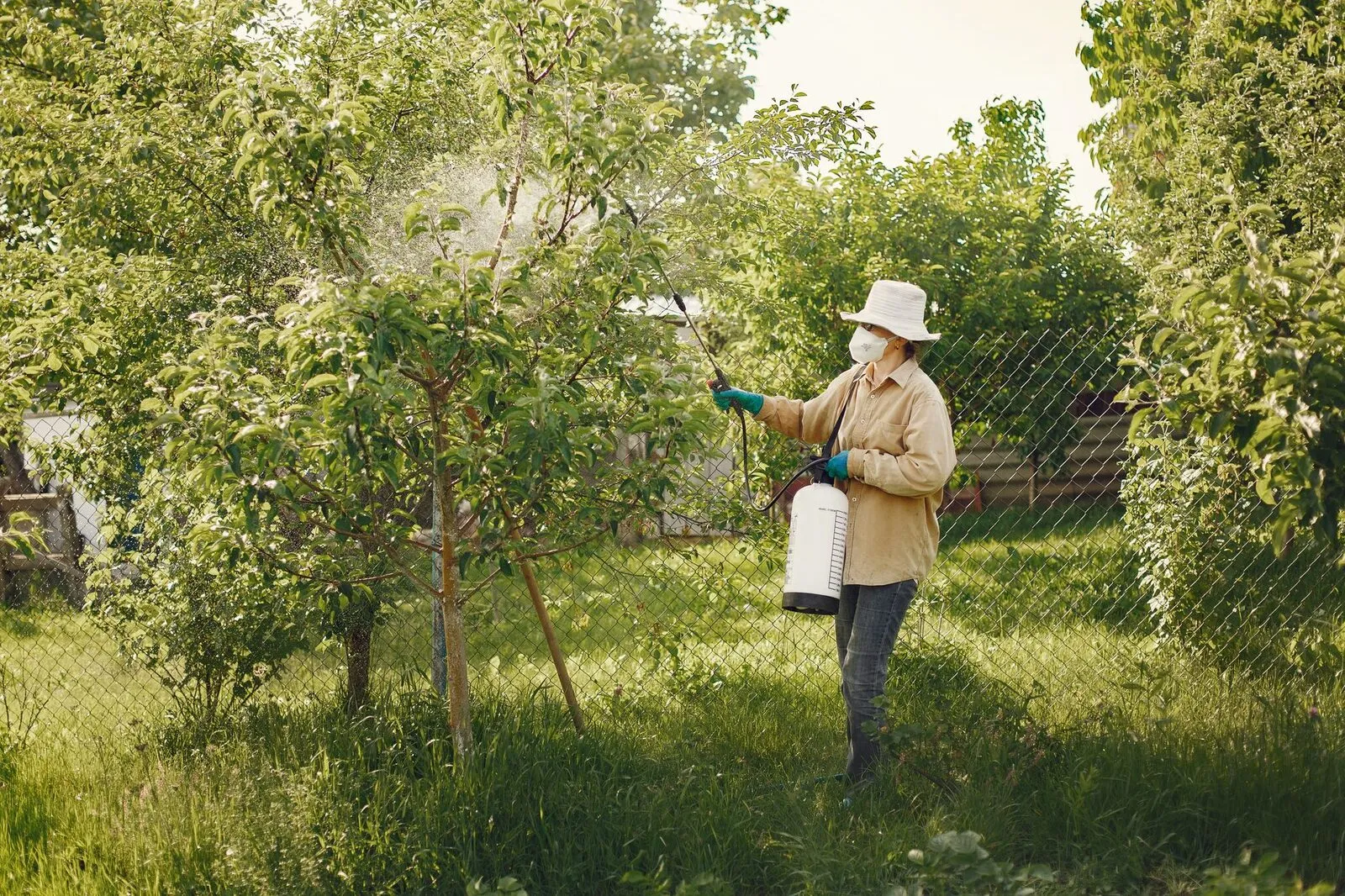
California bans toxic herbicide tied to Parkinson's
After manufacturers voluntarily pulled paraquat from the market, California becomes the first state to phase out the weedkiller linked to neurodegenerative disease.

Cotton jassid creeps north—and U.S. growers are not ready
An invasive leafhopper is spreading across Southeast cotton belts, forcing growers to scramble for scouting and control strategies as harvest nears.
USDA Reorganization Could Hollow Out Farm Trade, Research, and Aid Programs
Relocation orders covering more than half of USDA's Washington workforce could trigger large staff losses across trade promotion, agricultural research, food aid, and nutrition programs.

EPA Approves PFAS 'Forever Chemicals' Despite Cancer Warnings
The agency green-lit three new toxic pesticides despite evidence one poses carcinogenic risk, escalating contamination of farmland and water across the country.

Senate Pushes Food Warning Labels to Reshape Markets
Senators introduce rules requiring clear warning labels on ultra-processed foods, signaling a shift toward transparency that could benefit farmers producing real food.

Michigan farmers turn to precision data as rainfall turns chaotic
New app combining soil sensors and hyperlocal forecasts helps growers adapt to erratic weather while cutting water use and input costs.

Cyclospora, climate, and why produce keeps making us sick
As water systems warm and weather destabilizes, cyclospora outbreaks are becoming more frequent and harder to predict. Here's what's actually happening to our food.

Forever Chemicals Creep Into U.S. Farmland Via Biosolids
EPA and state regulators move to curb PFAS contamination of agricultural soils as 3 million U.S. acres face permanent chemical poisoning.

Tomorrow, Farmers Can Earn Real Money From Regenerative Practices
USDA's new feedstock rule takes effect tomorrow, creating a market for regenerative agriculture—if farmers know where to start.

Part-Time Farming Has Become the American Norm for Beginners
New USDA data shows 72% of beginning farmers rely on off-farm income—revealing the structural barriers that trap new growers outside the industry they're trying to join.

How USDA's Regenerative Feedstock Rule Works
USDA's new rule connects regenerative farmers to biofuel markets. Here's what it means for farm economics and soil health.

Rodale's $139M Bet on Regenerative Farms
Rodale Institute launches a $139 million campaign to transition 10 million acres of U.S. farmland to organic and regenerative agriculture by 2030.

EPA Challenges Farmers to Ditch Harvest Pesticides for $30 Million
The agency launches a national innovation challenge for crop-desiccant alternatives, betting chemical-free harvests can work at scale—if the ideas are there.

EPA Expands Carcinogenic Forever-Chemical Pesticide to Food Crops
The agency approved expanded use of bifenthrin, a PFAS pesticide the EPA classifies as a possible carcinogen, on kale, broccoli, coffee, and other foods—even as contamination spreads through U.S. waterways and farmland.

Winter Wheat Crop Collapses to 60-Year Low Amid Plains Drought
USDA forecasts winter wheat production down 25% to smallest crop since 1965 as severe drought devastates prime growing regions across the Great Plains.
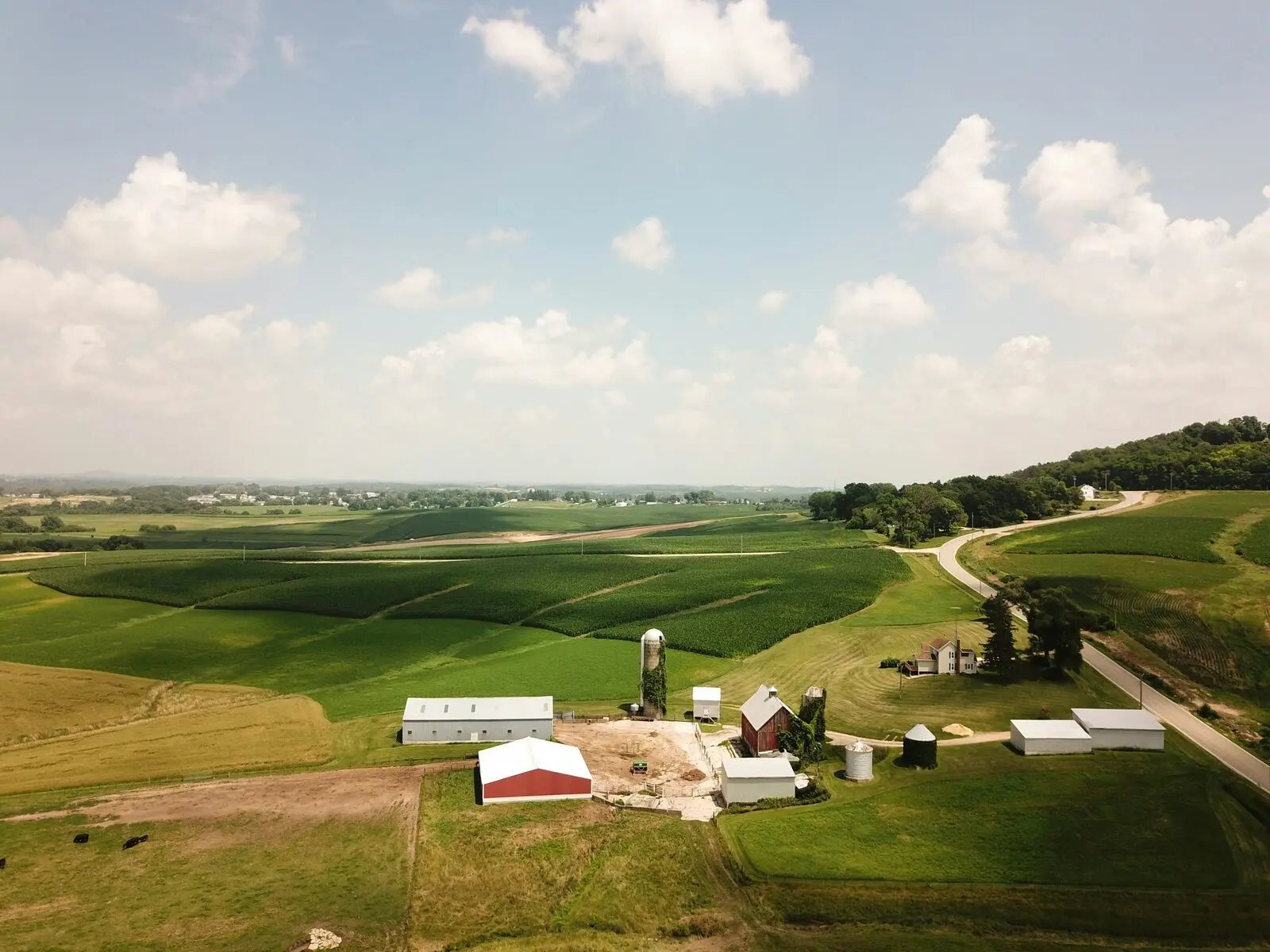
The Neighbors Beating Corporate Meat One County Vote at a Time
No federal law stops a mega-dairy or a 13-million-bird poultry operation from moving in next door. So rural communities from Oregon to Indiana are doing it themselves — county by county, permit hearing by permit hearing.
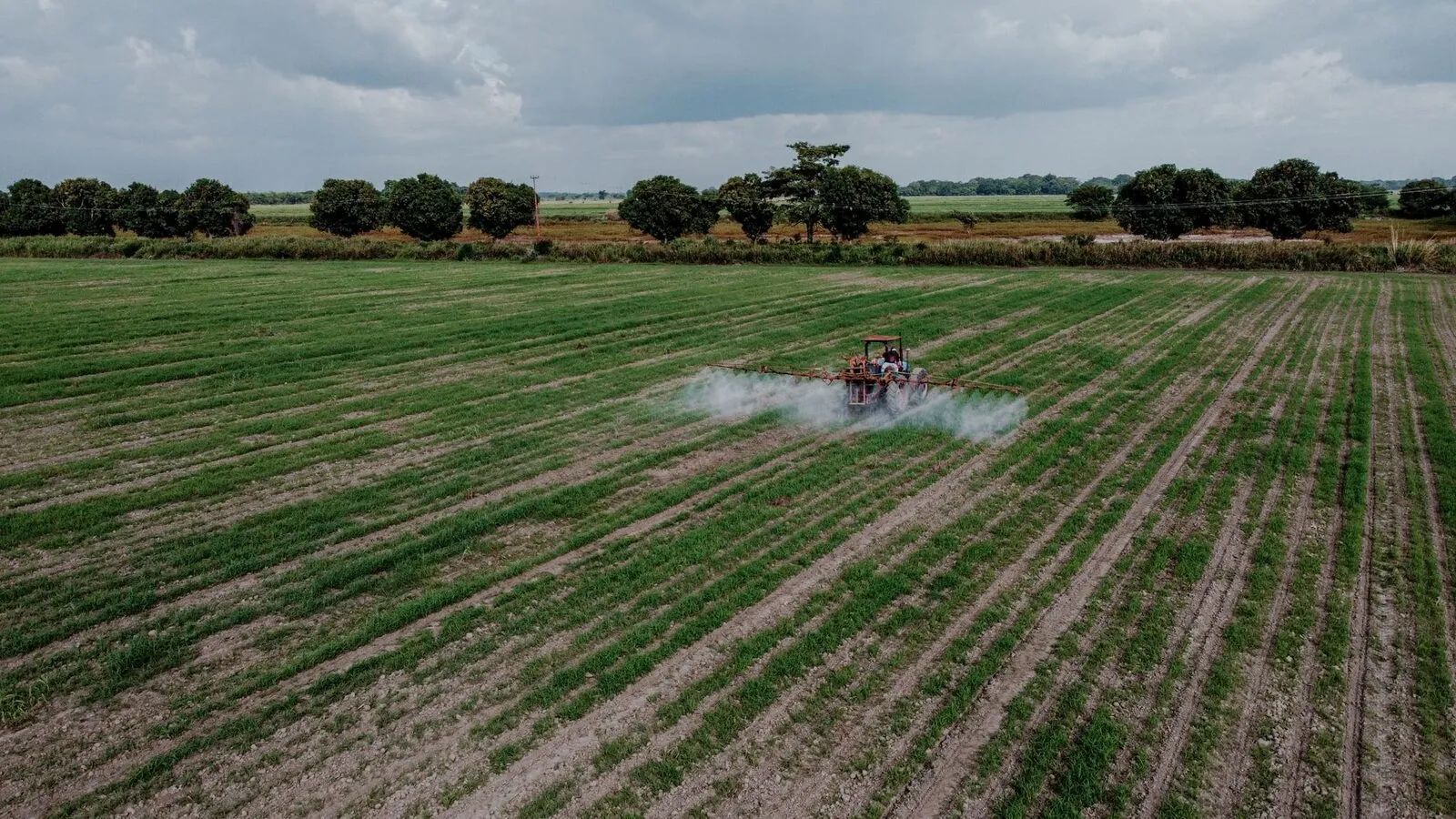
EPA Quietly Approves PFAS Pesticides as 'Forever Chemicals' Spread
The EPA has greenlit three new PFAS pesticides despite health risks, bringing the total to five approved during this administration. Your food is already contaminated.
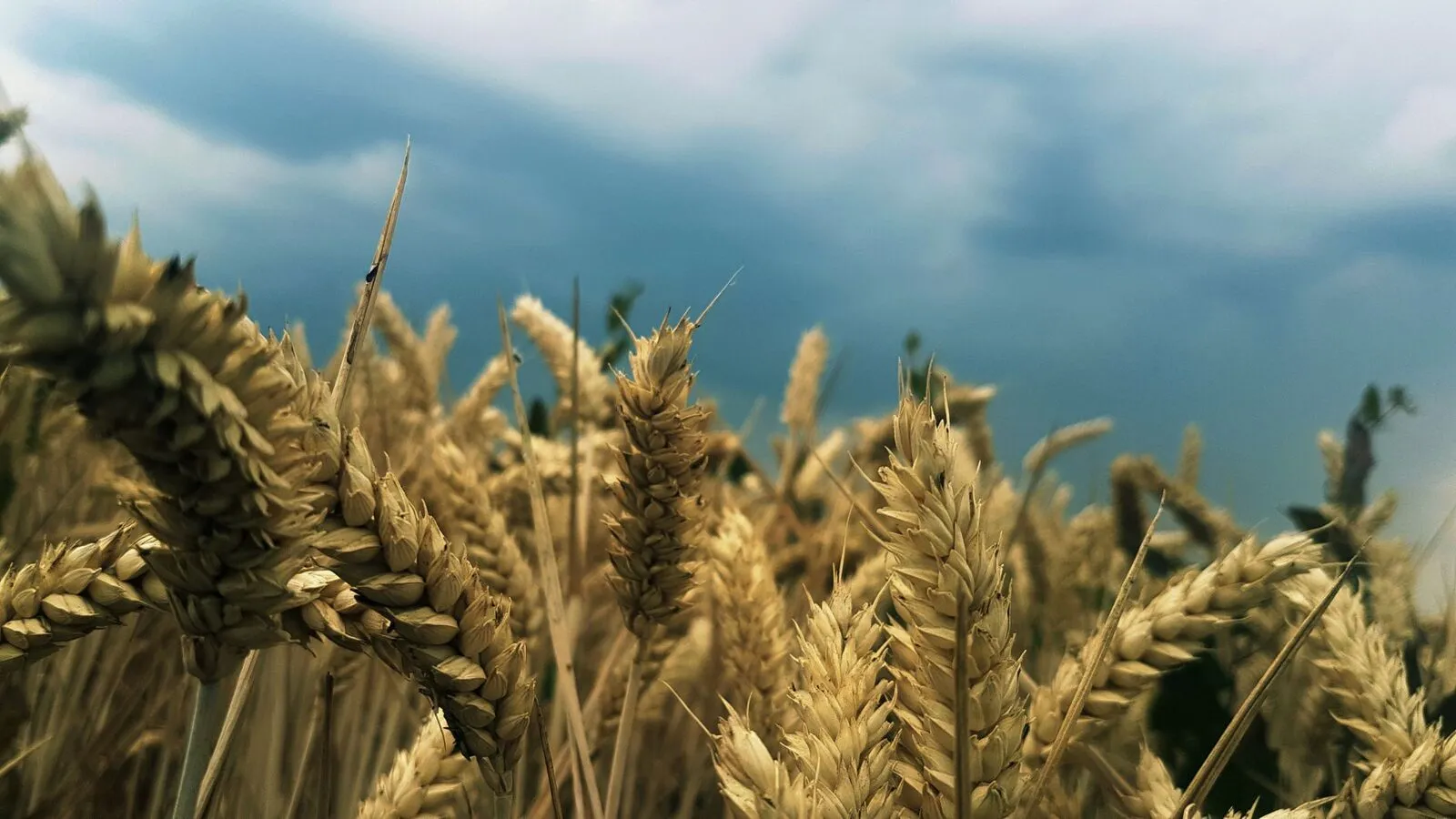
Record Heat Threatens Northern Plains Spring Wheat and Barley
As temperatures shatter records across the Northern Plains, wheat and barley crops at a critical growth stage face severe yield damage. USDA warns of compounding climate and financial crisis for growers.
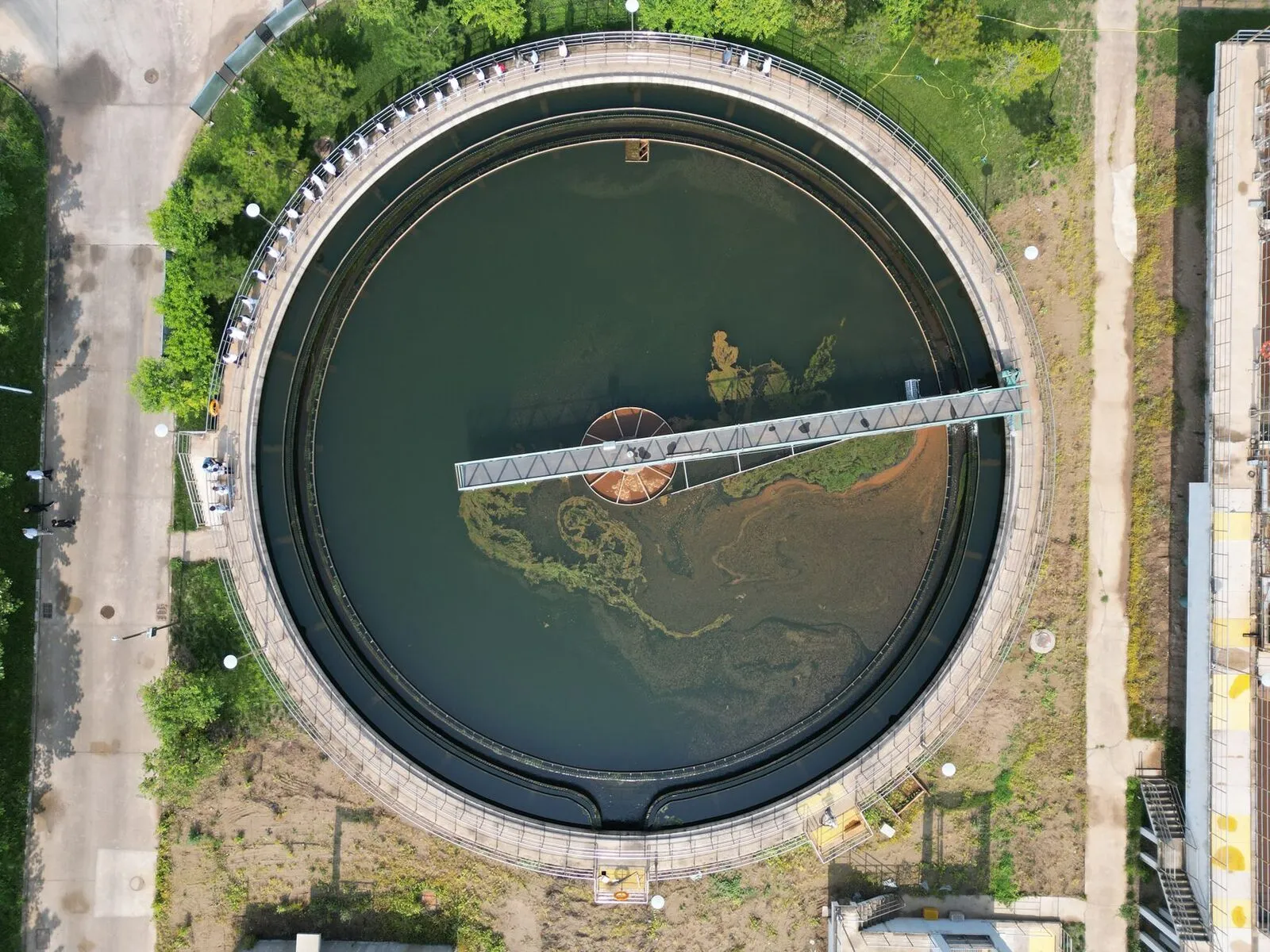
EPA Replaces PFAS Risk Science With 'Voluntary' Guidance
The agency's new biosolids guidance ditches a science-based risk assessment for non-binding recommendations. Farmers already on contaminated land are left vulnerable.
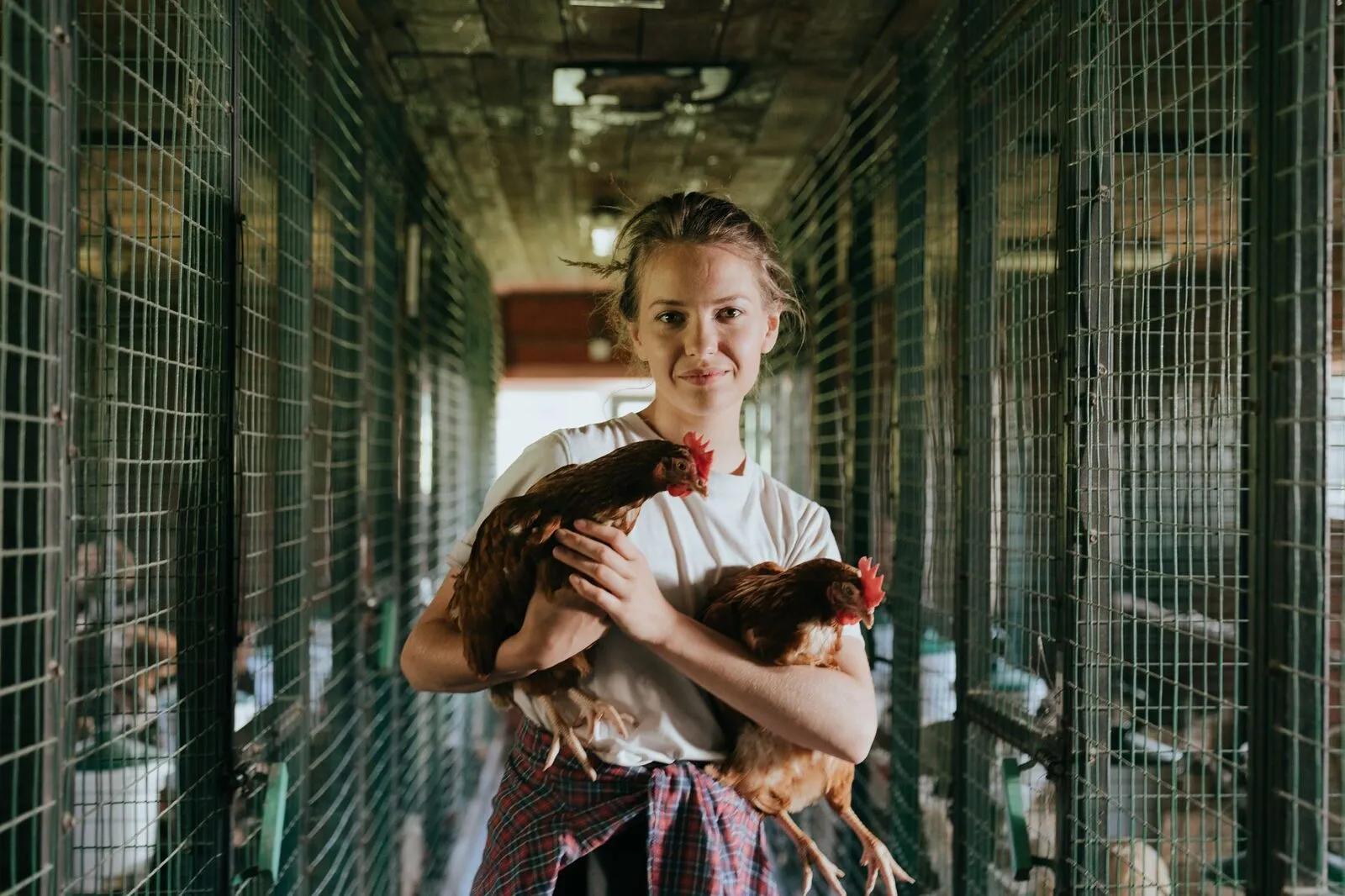
Next Generation Farmers Are Betting on Regeneration
Young farmers are choosing regenerative agriculture as both a survival strategy and a direct resistance to corporate consolidation, with USDA backing $700 million in pilot programs.
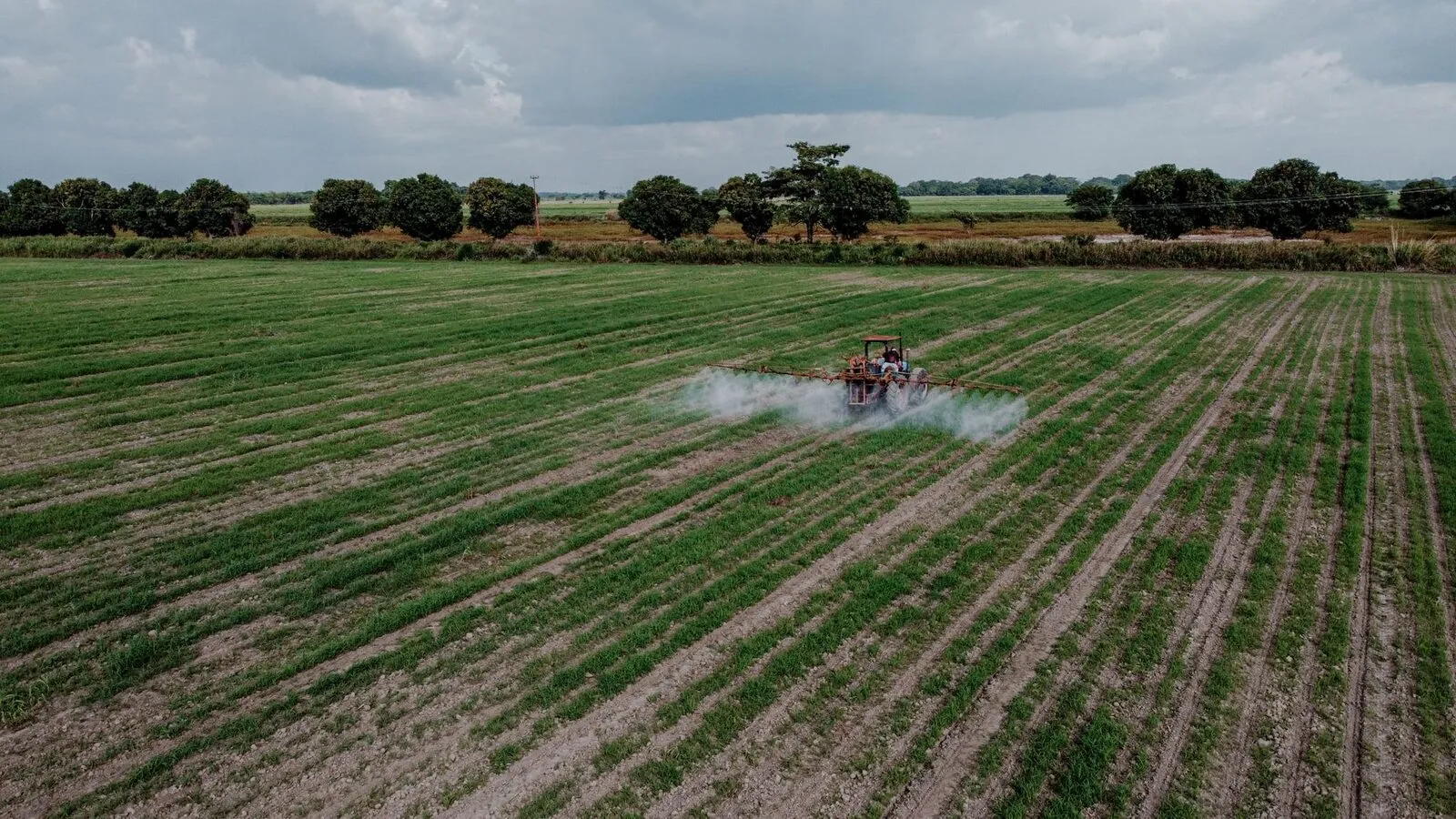
EPA Approves PFAS Pesticides Despite Contamination Risks
In June, the EPA approved three new PFAS herbicides despite growing fears of 'forever chemical' contamination on farmland. Advocates warn of compounding risks to soil, water, and crops.
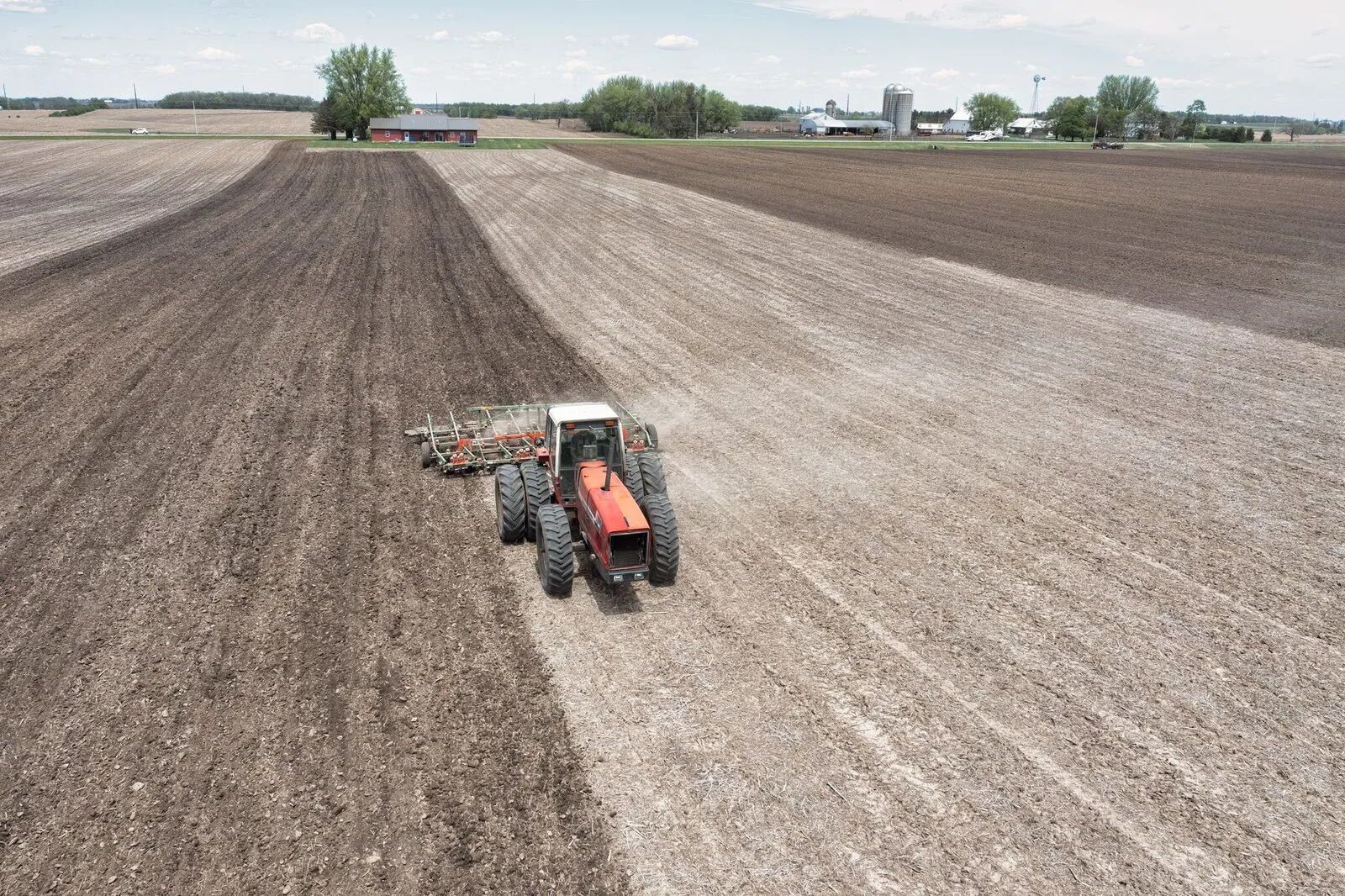
Federal Court Halts USDA's Young Farmers Purge
A federal judge ordered the Trump administration to restore half of $300M in land-access grants cancelled in March, handing a partial victory to beginning farmers.
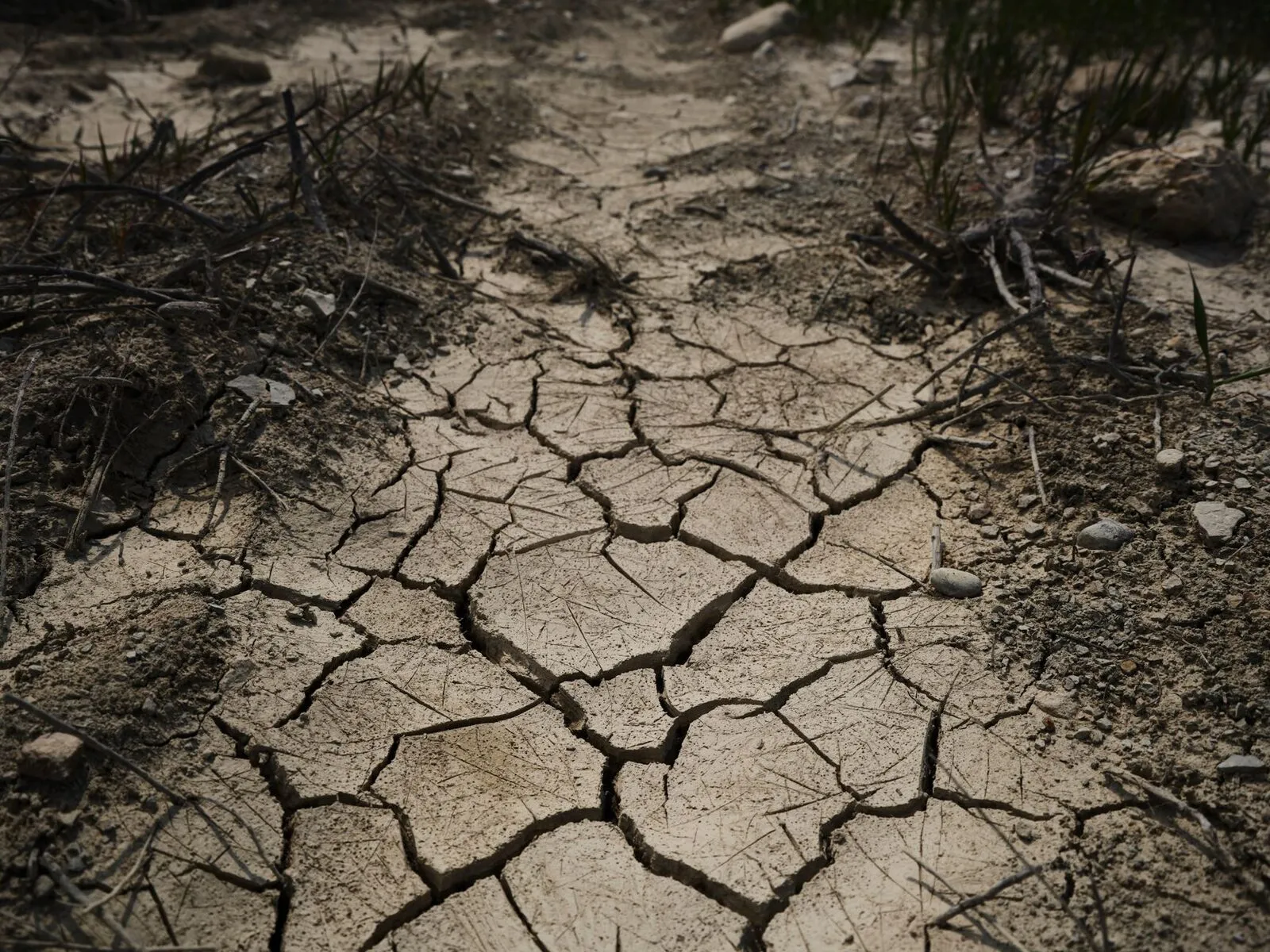
Pennsylvania Heat Wave Triggers Drought Disaster Declaration
USDA declares four Pennsylvania counties disaster areas due to drought and heat, offering emergency loans to stressed growers as temperatures soar and pastures wither.

Grounded: USDA Enrolls 2.2M Acres in Soil-Saving Program
The USDA accepted 2.2 million acres into the Conservation Reserve Program in July, signaling a renewed push to pay farmers for protecting soil and water.

EPA's Forever-Chemical Pesticide Blitz: What Farmers Need to Know
In a single June 2026 approval, the EPA greenlit four new pesticides—three classified as PFAS—raising alarms about soil and groundwater contamination risks.
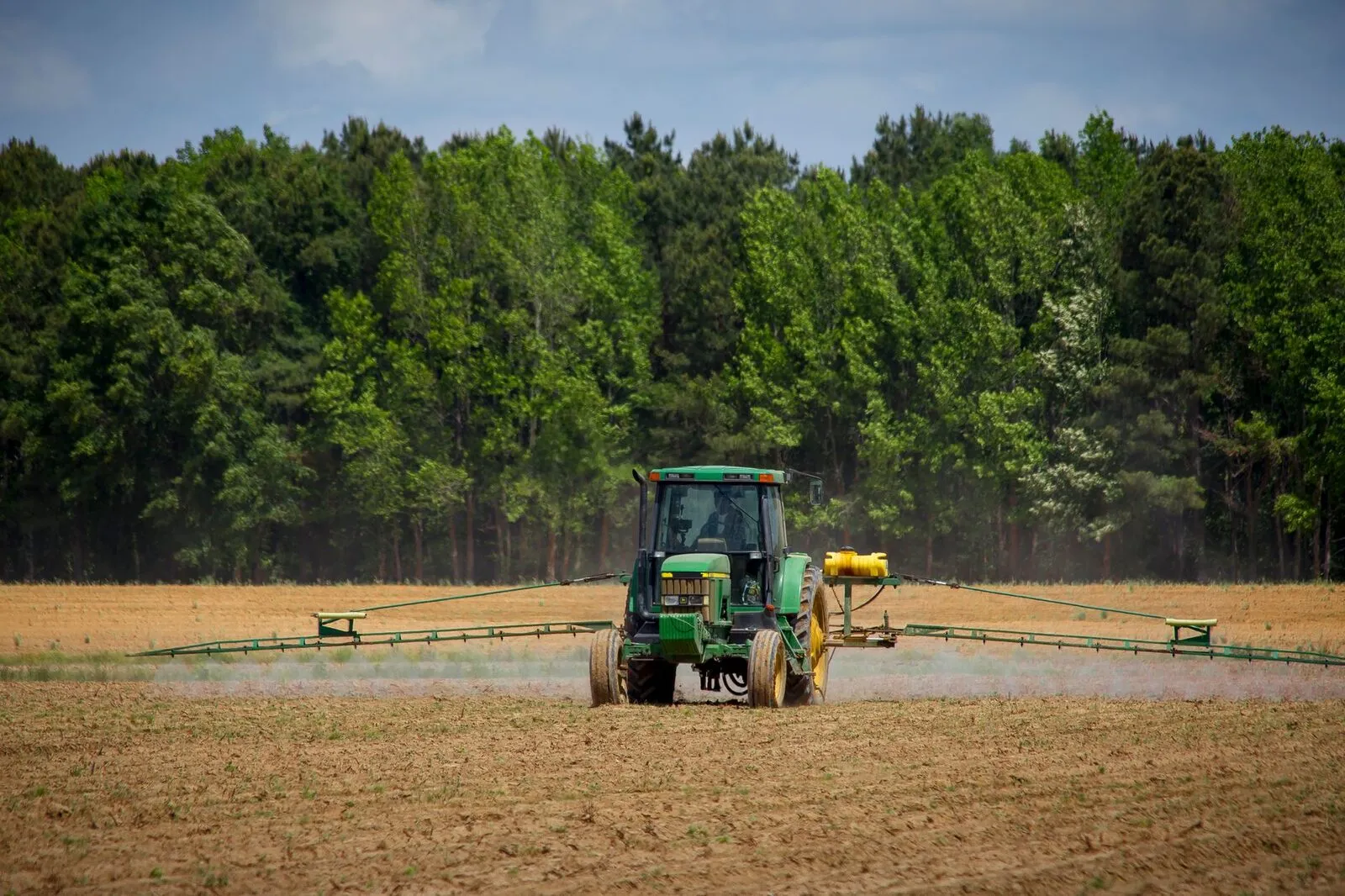
EPA Approves PFAS Pesticides, Poisoning the Soil
The EPA just approved three 'forever chemicals' for spraying on food crops. Scientists warn of irreversible soil and water contamination.

When the Feds Drain the Well
Rural communities and farms face water scarcity as federal detention centers claim priority over agricultural needs. A New Mexico town's crisis reveals how power flows with resources.

Congress Moves to Override Supreme Court Pesticide Immunity Ruling
Bipartisan lawmakers introduce legislation to restore farmworker and consumer legal protections against pesticide manufacturers after the Supreme Court blocked lawsuits.

EPA Approves 'Forever Chemicals' on Food Crops—No Warning to Farmworkers
The EPA has quietly approved three PFAS pesticides for use on crops, including one flagged by its own scientists as a carcinogen risk.
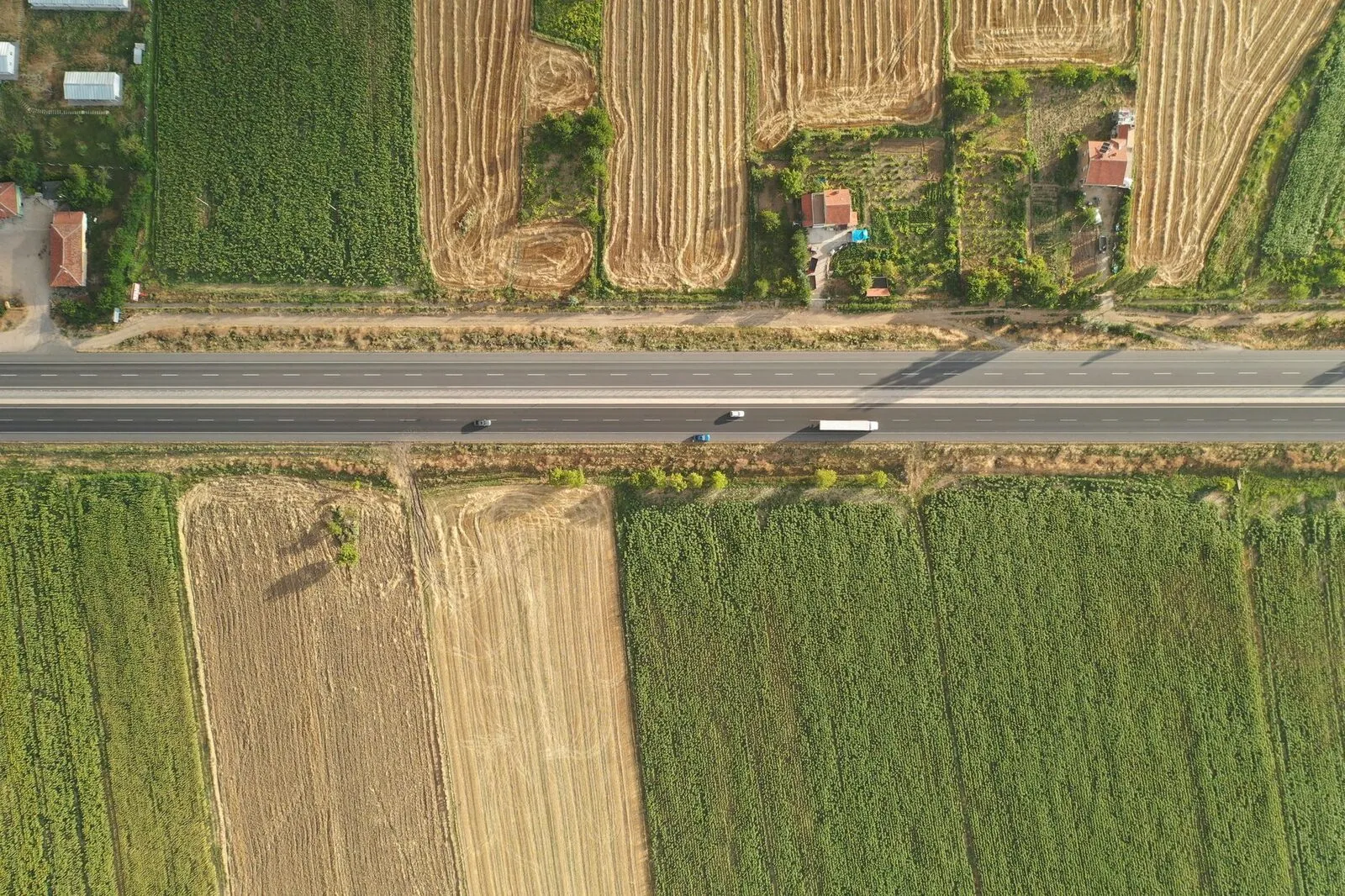
Young Farmers Win Court Battle Over USDA Grant Cuts
A federal court ordered the USDA to restore 24 grants for beginning farmers after the Trump administration cancelled them without due process.

EPA Buried Its Own Nitrate Damage Assessment
Food & Water Watch sues to force release of EPA's withheld nitrate health study as industrial agriculture poisons rural drinking water with no federal oversight.

EPA's Dual PFAS Gambit: Delay Some Rules, Rescind Others
The EPA proposed two conflicting PFAS drinking water rules on May 18. One extends compliance deadlines, the other rescinds protections for four classes of forever chemicals. Farmland water sits in the gap.

USDA Unlocks Biofuel Markets for Regenerative Farmers
A new federal rule lets farmers earn premium prices for regenerative corn and soybeans, connecting sustainable practices to billion-dollar biofuel markets.

Court Bars Roundup Cancer Suits, Leaving Farmworkers Exposed
A 7-2 Supreme Court ruling blocks thousands of state-law cancer claims against Monsanto, stripping farmworkers and farmers of their last legal remedy for Roundup exposure.

Supreme Court Blocks Roundup Cancer Suits, Shields Monsanto
In a 7-2 ruling, the Supreme Court said pesticide companies can't be sued under state law—a massive win for Monsanto and Bayer that silences thousands of victims.

California Acts on PFAS: Assembly Bans Forever Chemicals by 2035
California's legislature just took aim at toxic PFAS pesticides contaminating soil and water. The ban would phase out forever chemicals that already coat the state's fruit and vegetables.

PFAS from Pesticides Found Widespread in California Water
Environmental testing reveals pesticide-derived 'forever chemicals' contaminating California's surface water and sediment, raising alarm for agricultural communities.

Senate Farm Bill Draft Locks In Corporate Ag Status Quo
The Senate Agriculture Committee's new draft Farm Bill drew sharp condemnation from family farm advocates who say it extends stagnant policies and ignores the consolidation crisis.
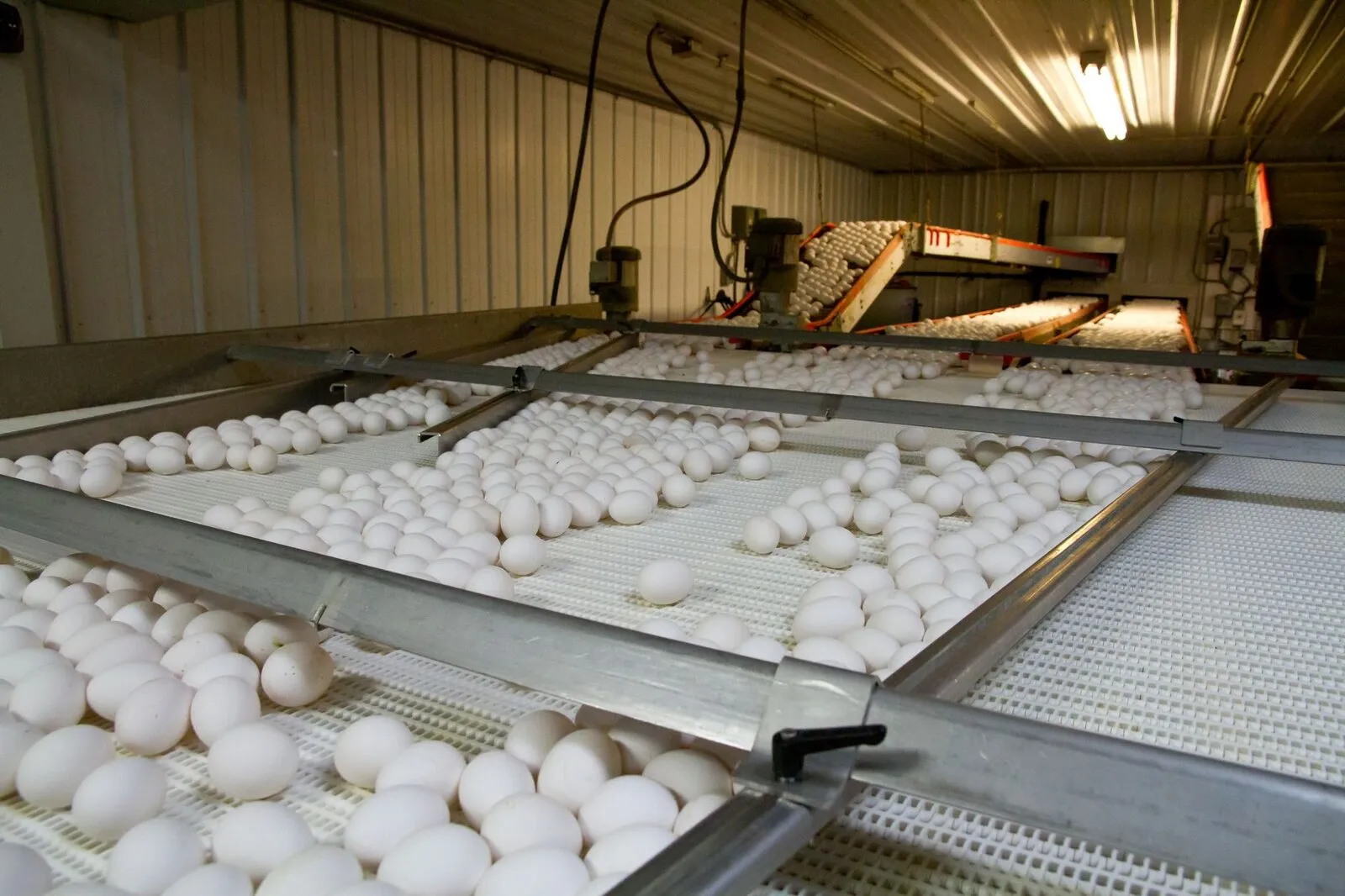
Factory Farms Are a Food Safety Risk. Consolidation Made It Worse.
Industrial livestock farming drives most U.S. foodborne illness outbreaks. The same consolidation that concentrated market power also concentrated biological risk.

After USDA's Local Food Cuts, Congress Pushes Back
A bipartisan bill aims to restore regional food infrastructure USDA gutted, offering small farms a direct lifeline outside the commodity market squeeze.

Paraquat Is Banned in the EU. It's Still Being Sprayed on US Farms.
A widely used herbicide linked to Parkinson's disease and childhood leukemia. EWG and advocates pushed New York to ban it — the EPA's registration stands nationwide.

California Moves to Ban PFAS Pesticides That Show Up in 9 in 10 Peaches
California's AB 1603 would ban 53 PFAS pesticides by 2035, with residues of the PFAS fungicide fludioxonil turning up in 90% of tested peaches and plums.

House Farm Bill Slashes Conservation, Abandons Small Farmers
The House passed the Farm, Food, and National Security Act 224–200. Farmers surveyed by NSAC say it guts the programs they actually depend on — and now the Senate has to fix it.

Four Packers, One Price: Why Cattle Ranchers Are Fighting the Meat Monopoly
Four companies slaughter most US beef. Ranchers say that concentration rigs the price against them — and a wave of lawsuits and rules is trying to break the grip.

Budget Rider Would Defund EPA's PFAS-in-Biosolids Rule
A one-sentence rider buried in H.R. 4754 would bar the EPA from using any federal funds to finalize its PFAS biosolids risk assessment — while farms stay unprotected.

Forever Chemicals on the Farm: How PFAS-Laced Sludge Poisoned American Cropland
For decades, farmers spread treated sewage sludge as cheap fertilizer. Now PFAS in that 'biosolid' is contaminating fields, milk, and livelihoods. Here's the explainer.
About Save US Farms bylines
Save US Farms uses pseudonymous bylines tied to specific beats. The named editor on the About page retains all editorial accountability. Every claim under this byline is sourced and reviewed against our editorial standards; corrections are logged at /corrections/.