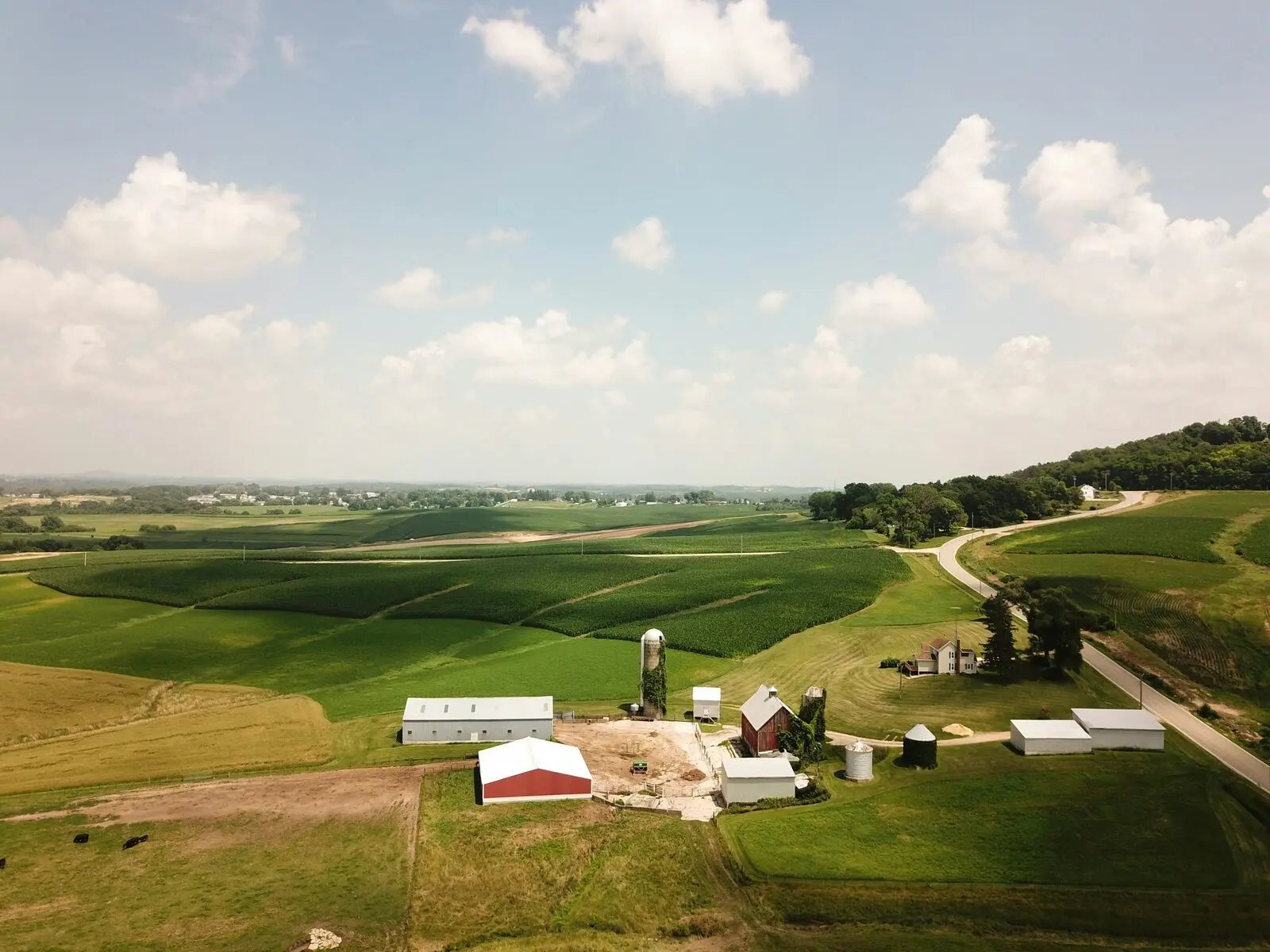
There’s no federal permit you can deny to keep a 6,500-cow dairy out of your township. There’s no national moratorium on the next mega-poultry operation. The fight against factory-farm expansion in this country happens almost entirely at the county courthouse and the town council podium — and increasingly, the neighbors are winning it.
The fight in Wisconsin right now
In Washington County, Wisconsin, Rob-N-Cin Farms ran for years without the required wastewater discharge permit before finally submitting an application in September 2023 after the DNR flagged it for noncompliance. When the DNR moved to issue the permit — covering an expansion from roughly 1,300 to nearly 2,000 dairy cows — Midwest Environmental Advocates filed a contested case hearing on behalf of Milwaukee Riverkeeper and neighbors near the farm’s three facilities in the towns of Trenton and Saukville, forcing the fight into a formal legal proceeding rather than a rubber stamp.
It’s a pattern repeating across the Midwest and the Pacific Northwest: the permit is the fight, and showing up to the hearing is the tactic.
Oregon: from mega-poultry proposal to county ordinance
When Foster Farms-affiliated growers proposed three industrial poultry operations in Linn and Marion counties, Oregon — a combined 13 million broiler chickens a year, the response wasn’t a lawsuit first. It was organizing. Scio farmer Kendra Kimbirauskas, an organizer with Farmers Against Foster Farms, helped push county commissioners to pass new siting restrictions in December 2023 banning large CAFOs within a mile of any residence — making Linn the first Oregon county to act after the state passed Senate Bill 85, which closed a longstanding CAFO drinking-water exemption and gave counties new setback authority.
Indiana: two towns, two different tools
Steuben County, Indiana used zoning. When Noah and Michael Schmucker proposed a 78-acre “cattle growing” operation housing up to 8,000 cows, hundreds of residents packed the Board of Zoning Appeals hearing citing e. coli-polluted lakes already downstream — and the board denied the application 5-0. The Socially Responsible Agriculture Project (SRAP), a Farm Aid grantee that helps rural communities navigate exactly this kind of fight, publishes the organizing guide residents used to challenge it.
Morristown, Indiana went further: the town council passed a local ordinance flatly prohibiting CFOs and CAFOs within city limits, heading off a proposed 330-acre, 6,500-cow dairy operation with a methane digester less than two miles from town before it could get a foothold.
Minnesota: the fight that’s still on appeal
Winona County, Minnesota denied Daley Farms’ request for a variance to more than triple its permitted herd cap — from 1,500 to 6,000 animal units. A district court upheld the county’s denial, finding the request was “based on economic considerations alone,” and the Minnesota Court of Appeals affirmed that ruling in December, calling the county board’s decision “neither arbitrary nor capricious.” The Minnesota Supreme Court later declined to hear Daley’s further appeal. The Land Stewardship Project, which organized local opposition, says Daley claimed bias tied to the group’s ties to county officials — a claim courts rejected for lack of evidence.
Why it’s always local
None of this runs through Congress or the USDA. Federal environmental law regulates CAFO discharge, not siting — whether a mega-operation can locate next to your well, your kids’ school, or the creek you fish, is a county zoning and state-permitting question almost everywhere in the country. That’s exactly why the same names keep showing up: SRAP, the Land Stewardship Project, Friends of Family Farmers, groups that exist specifically to help rural residents navigate a permitting process built to be technical, slow, and easy to walk away from.
It also means the wins are fragile and reversible. A zoning board that denies a permit this year can approve a similar one next year with different members. An ordinance can be challenged in court, as Daley Farm’s appeal shows. There’s no federal floor locking any of these wins in place — which is exactly why organizers describe this as a fight that never actually ends, just changes venue.
What’s actually at stake
A community that wins a zoning fight isn’t just keeping the smell and the manure lagoons out. It’s keeping control of what the local economy looks like in ten years — independent dairies and diversified farms, or a landscape of contract barns feeding a handful of integrators. Every permit fight is, underneath the zoning language, a fight over who gets to decide that.
Save US Farms tracks community organizing against industrial ag consolidation. Fighting a CAFO permit in your county? The desk wants to hear how it’s going.


