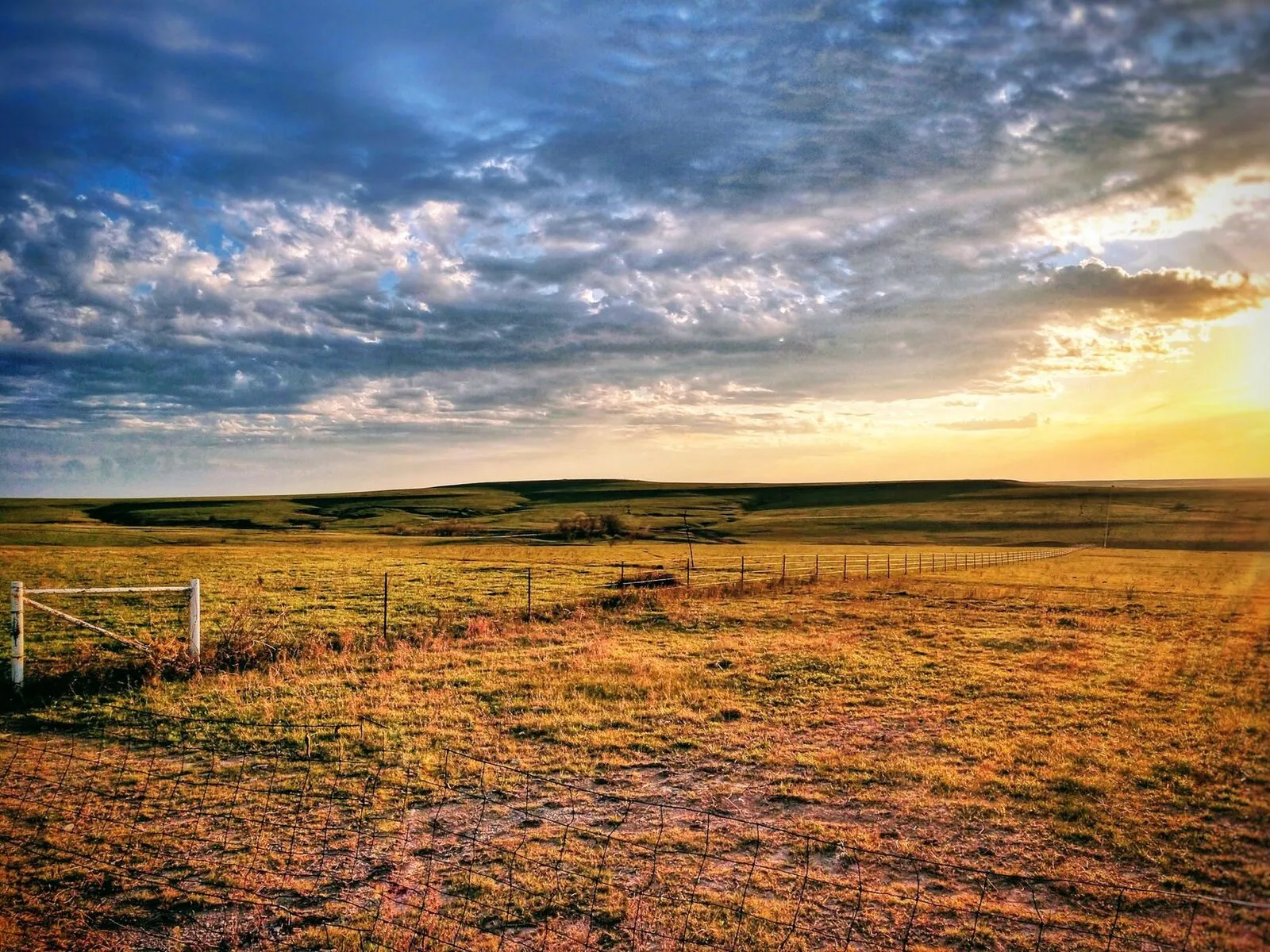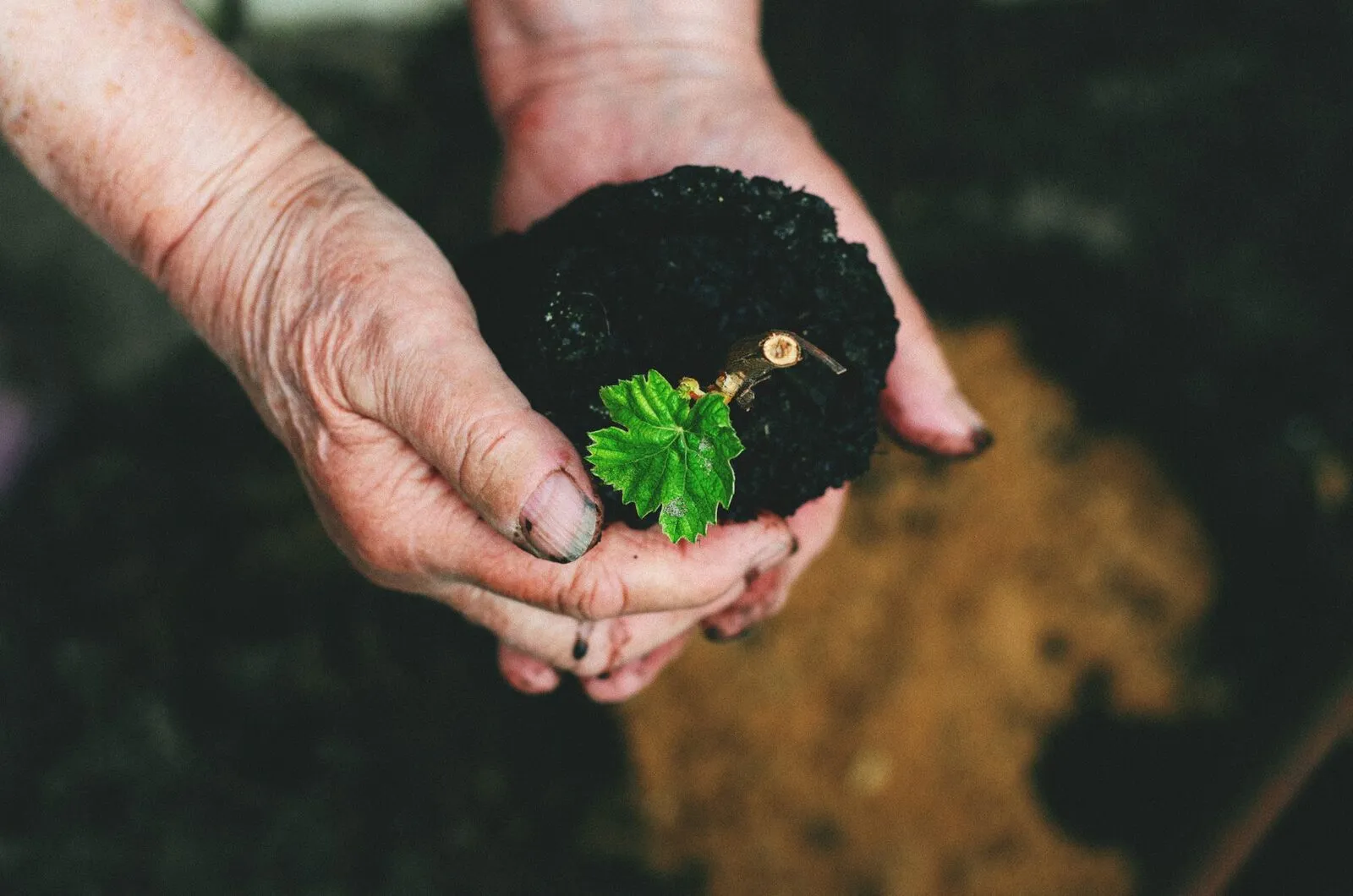
Last Tuesday, the USDA’s Farm Service Agency (FSA) accepted 2.2 million acres into the Conservation Reserve Program — a milestone that signals something rare in modern agriculture: the government paying farmers to stop farming parts of their land and instead heal it.
Producers submitted offers on nearly 2.5 million acres through CRP’s General, Grassland, and Continuous enrollment windows. Of those, nearly 1.5 million acres were coming up for re-enrollment, and farmers put forward nearly 1 million of those for renewal. But the fresher signal is this: farmers also threw in offers on 1.5 million acres of new land — ground they wanted to pull from production and convert to conservation buffer strips, riparian forests, and wildlife habitat.
Nebraska, Colorado, and South Dakota led the enrollment numbers — three states that have felt the squeeze of drought, degraded soil, and sinking water tables. For those producers, CRP cash is often the difference between holding on and selling out.
The timing matters. This July announcement arrives as the USDA’s Natural Resources Conservation Service (NRCS) is rolling out the Regenerative Pilot Program, a $700 million whole-farm planning initiative split between the Environmental Quality Incentives Program (EQIP) and the Conservation Stewardship Program (CSP). Unlike old-school conservation grants that targeted individual practices — a cover crop here, reduced tillage there — this one funds farmers to design complete farm systems that address soil, water, and biodiversity at once. It’s the operating philosophy of regenerative agriculture, but with federal money backing the transition.
The convergence is strategic. CRP removes sensitive or marginal acres from the commodity treadmill and pays a steady rent. The Regenerative Pilot invests in the working acres that stay in production, helping farmers retrofit their operations with practices that rebuild soil carbon, lock water in place, and restore life to dirt that decades of monoculture have hollowed out. Together, the two programs offer a map for an agriculture that doesn’t just extract.
What farmers are actually signing up for through CRP tends to be pragmatic: buffer zones along waterways to filter runoff, native grass plantings to anchor topsoil, and wetland restoration to hold floodwater and feed aquifers. The payments are modest — ranging across regions and land type — but they’re reliable, often multi-year contracts that give growers runway to retool.
The enrollment surge, though modest against the scale of U.S. farmland (2.2 million acres is roughly 0.6% of all cropland), suggests producers are hungry for an off-ramp from the grind of input-heavy, commodity-dependent farming. Soil’s getting thinner, water’s getting scarcer, and the old model — plant fence-row to fence-row, buy more chemical inputs, hope the commodity price doesn’t crater — isn’t working.
Whether this moment holds depends on two things: staying power of the federal funding (both programs are subject to annual appropriations and policy swings), and whether farmers on the fence actually convert acres. But the baseline signal is clear. Farmers know their soil is dying. They want to fix it. And they’ll do it if someone foots the bill. Right now, the USDA is. It won’t last forever.
The real test comes next year — whether the CRP and Regenerative Pilot can scale fast enough to matter, and whether the debt spiral that’s crushing family farms leaves room for producers to participate at all. A farmer with maxed-out credit lines can’t afford to take 20% of their land out of production, even with a monthly check. But for those with some breathing room, and for young farmers trying to build a soil-first operation from the ground up, these programs offer something rare: a structure to regenerate instead of extract.
The USDA FSA oversees CRP through local county Farm Service offices. Producers interested in enrollment can contact their local FSA office during signup windows, which occur several times yearly. The NRCS Regenerative Pilot Program is open to all farm sizes and types.