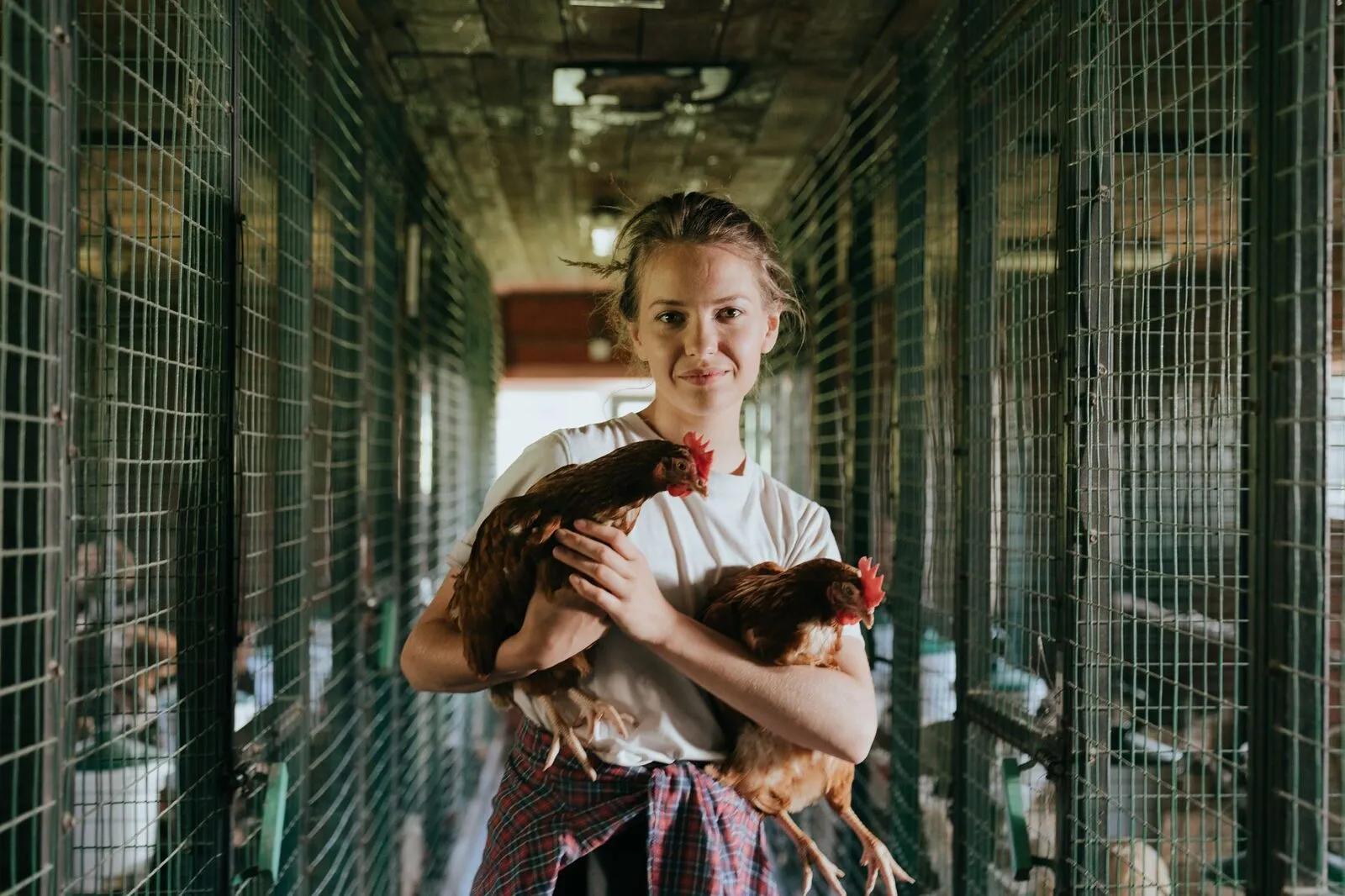
While corporate consolidation squeezes family farms into bankruptcy, a new generation of farmers is fighting back—with soil, not lawsuits. Across the country, young farmers are betting that regenerative agriculture—farming practices that rebuild soil health, reduce input costs, and sequester carbon—can sidestep the debt trap that’s bankrupting their parents’ generation.
The movement has momentum. The Texas Farm Bureau is running a Young Farmer & Rancher Program designed to connect the next generation of producers in the Panhandle, tapping into growing interest among younger growers who see regenerative practices as aligning with their values. In California’s Monterey County, Regenerative California has established a 120-acre demonstration farm as a “living classroom” for regenerative agriculture, proving to young people interested in data collection and climate-friendly farming that regenerative ag is a viable business model.
The timing is urgent. Farm bankruptcies hit 130% in April 2026—the highest monthly total since February 2020—as input costs, elevated interest rates, and compressed commodity margins push operators into Chapter 12. Farm sector debt is forecast at a record $624.7 billion for 2026, with interest expenses alone expected to hit $33 billion. For young farmers entering the business, the conventional path—borrowing heavily for chemical inputs, machinery financing, and land—has become financially suicidal.
Regenerative practices offer a different path. By rotating crops, incorporating cover crops, and reducing tilling, young farmers can lower input costs (fewer synthetic fertilizers and pesticides), build soil carbon that improves yields over time, and access emerging carbon credit markets. The practices also reduce the machinery debt trap: farmers practicing regenerative ag often use less equipment, repair worn machines themselves (a growing imperative after the Deere settlement secured farmer right-to-repair access), and phase in new equipment slowly rather than financing a full package upfront.
USDA Is Backing the Shift
Federal support is accelerating. USDA is dedicating $400 million through the Environmental Quality Incentives Program (EQIP) and $300 million through the Conservation Stewardship Program (CSP) to fund the first year of regenerative agriculture projects in FY2026. The Regenerative Pilot Program is open to both beginning and advanced producers, essentially underwriting the transition costs that would otherwise bury a young operator in debt.
That money matters. Transitioning conventional fields to regenerative management takes 3-5 years before yields stabilize or improve. During the transition, young farmers face yield hits, re-learning curve, and the pressure of debt service on farms that were already financially marginal. USDA support cuts that risk dramatically, making the regenerative path accessible to farmers who otherwise couldn’t afford it.
The appeal to young farmers is clear. In focus group discussions, young farmers cite alignment with environmental values, lower chemical exposure, autonomy from corporate input suppliers, and the possibility of building equity in land rather than equipment. The program in Texas is particularly significant: the average age of a Texas farmer is 59, and younger producers have been voting with their feet to leave agriculture for decades. A program that connects young farmers to peers and demonstrates regenerative viability is targeting that exodus directly.
The Resistance Angle
This isn’t just economics. Regenerative agriculture is fundamentally incompatible with industrial consolidation. The Big Four meatpackers control 85% of beef processing; they demand scale, standardization, and input-commodity commodity supply chains. Young farmers practicing regenerative ag are building local and regional food systems instead—shorter supply chains, direct relationships with buyers, diverse crop rotations that resist monopoly pricing. They’re also less dependent on input monopolies: John Deere, Bayer, Corteva. A farmer buying diesel and doing their own repairs is worth far less to the consolidation game than a farmer financing new equipment and locked into a chemical system.
That’s why the USDA support is significant. It’s not just an environmental bet—it’s a bet on a farm structure that resists consolidation. And for young farmers facing bankruptcy as the default option, it’s a bet they’re ready to make.
Sources: