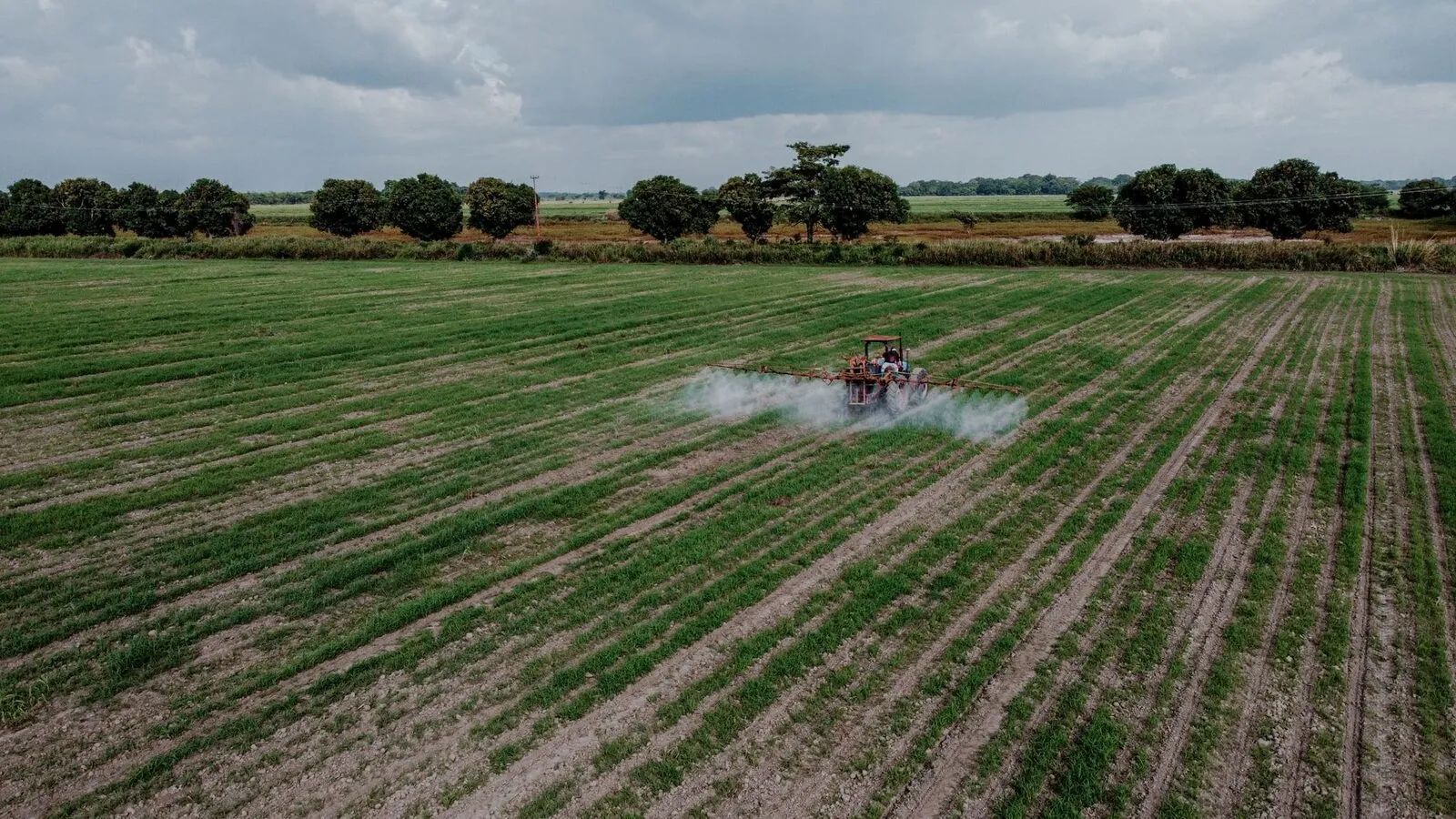
On June 30, 2026, the EPA approved four new pesticides—three of which are PFAS (“forever chemicals”)—in what environmental groups are calling a quiet assault on food safety. The approvals bring the total number of PFAS pesticides greenlit during this administration to five, with no signs of slowing.
Among the newly approved chemicals is trifludimoxazin, a highly persistent pesticide cleared for use on wheat, oats, oranges, apples, and almonds. During EPA review, one internal scientist flagged the chemical as having “suggestive evidence of carcinogenic potential,” according to reporting by the Environmental Working Group.
PFAS Is Already Everywhere
This isn’t a warning about contamination that might happen—it’s already here. According to the EWG’s 2026 Shoppers Guide to Pesticides on Produce, 75% of non-organic produce samples contained pesticide residues, with 63% of Dirty Dozen samples containing PFAS pesticides. In California alone, agricultural fields are sprayed with an average of 2.5 million pounds of PFAS pesticides annually, and nearly 40% of nonorganic fruits and vegetables grown in the state contain traces of these chemicals.
That matters because California supplies nearly half of the nation’s vegetables and more than three-quarters of its fruits and nuts. What’s sprayed there ends up in grocery stores across the country.
What “Forever Chemical” Actually Means
PFAS stands for per- and polyfluoroalkyl substances. They don’t break down in the environment or in your body—they accumulate over time. Exposure has been linked to liver damage, thyroid disease, decreased vaccine response, and kidney and testicular cancer. Unlike traditional pesticides that degrade, PFAS will persist in soil and groundwater indefinitely, contaminating food crops for generations.
The Economic Policy Institute estimates that farmworkers stand to lose $4.4 to $5.4 billion annually under new wage rules—and now they’re also the population most likely to be exposed to these sprayed chemicals in the fields where they work.
The Silence Is Deafening
The EPA’s approvals came with limited public fanfare, and the agency has not issued any guidance for farmers or consumers on managing exposure. The pattern of approving PFAS pesticides while other nations have begun restricting them suggests a regulatory capture—where industry influence overrides science and public health.
For family farmers who already face record debt levels and pressure to use cheaper inputs, these new PFAS pesticides may seem like an affordable tool. But the cost will be paid by everyone downstream: consumers eating contaminated food, farmworkers breathing sprayed chemicals, and communities drinking groundwater laced with forever chemicals that won’t leave.
The fight to keep PFAS out of our food supply just got harder. The EPA saw the science, heard the warnings, and approved them anyway.
Related coverage: Learn more about the broader contamination crisis in the fields where America’s food grows through our reporting on EPA biosolids guidance, farm debt cascades, and farmworker exposure.