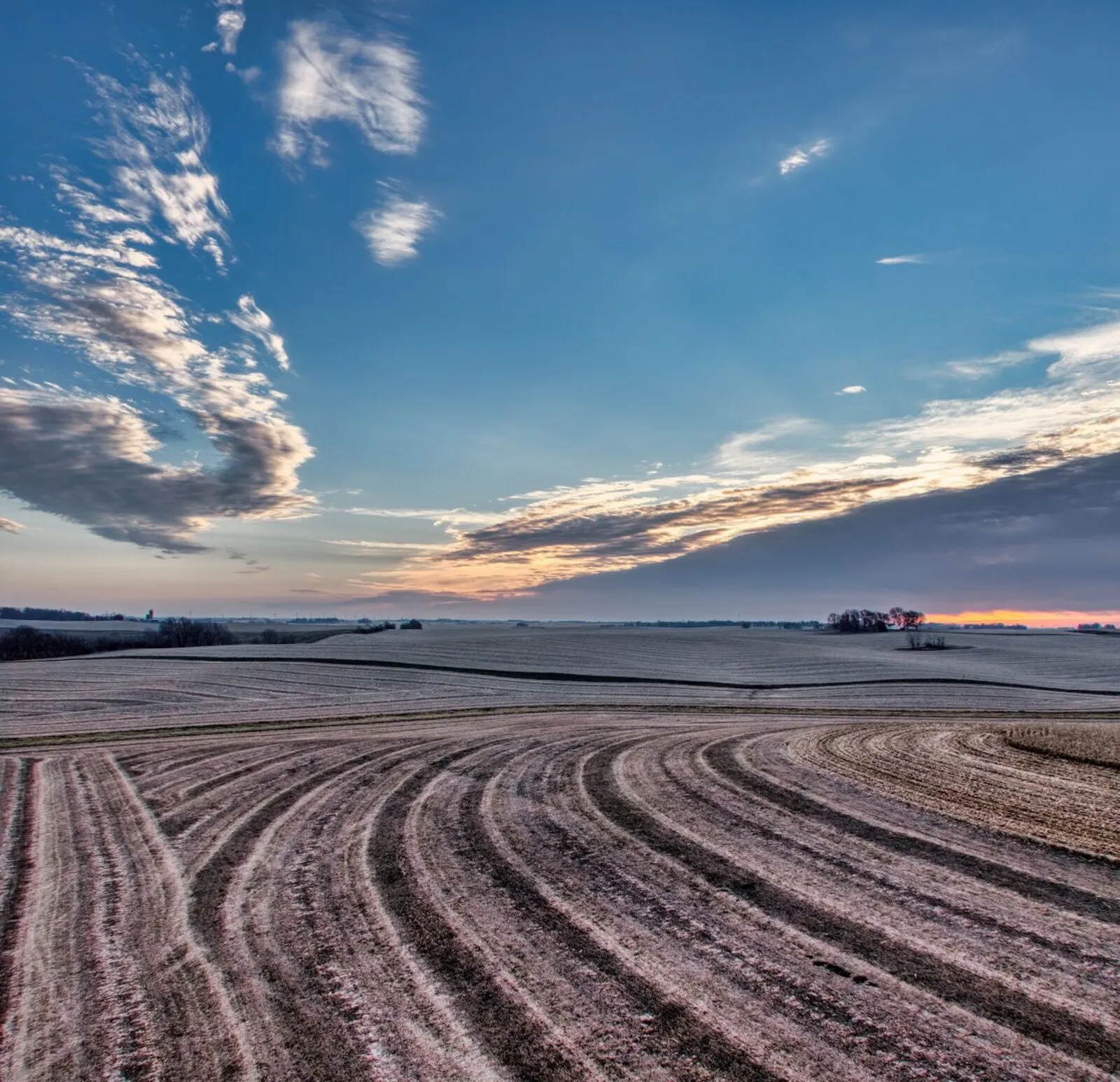
Record-breaking temperatures swept the Northern Plains in mid-July, hitting a dangerous moment for spring wheat and barley—and the farmers who depend on them. Bismarck, North Dakota, recorded 105°F and Dickinson hit 103°F, shattering daily records and kicking off a broader heat event that sent temps soaring from 100 to 110°F across the region.
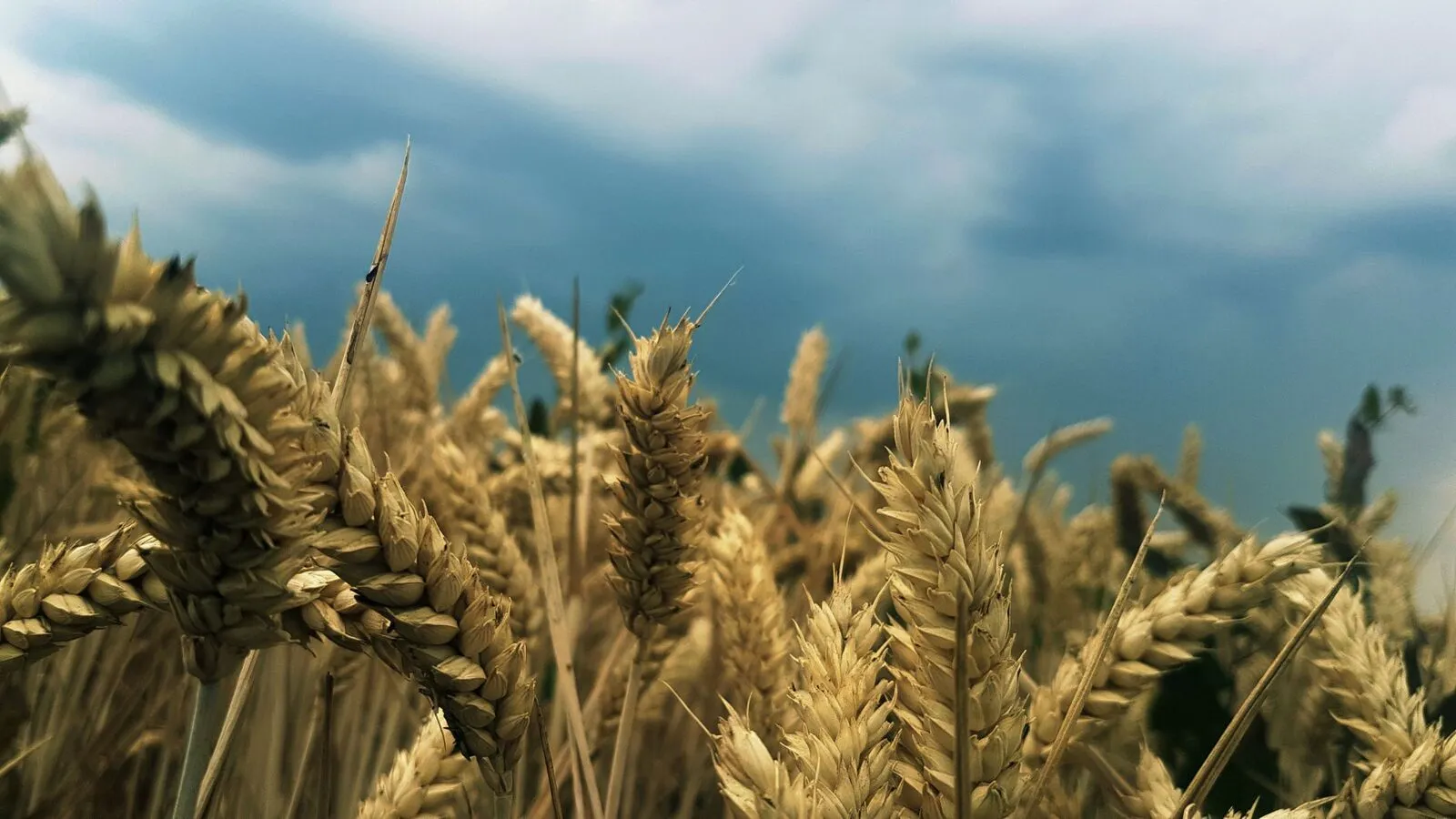
The timing is brutal. 79% of the U.S. barley crop had already reached the heading stage, while 72% of spring wheat had headed as well—meaning both crops are in grain-fill mode, the period when kernels pack on the biomass that becomes the harvest. Prolonged heat stress during grain fill directly reduces yield and quality. A week of 100°F-plus temperatures can wipe out 10-20% of final production, or more.
According to USDA analysis, the record heat arrived at a particularly sensitive period for spring wheat and barley production. Higher yields depend on cool nights and moderate days during grain fill; scorching heat closes the window. “This is not a blip,” said climate analysts tracking the event. “This is the new normal.”
A Year of Escalating Stress
The July heat wave is the latest hammer blow to growers already reeling from market pressure. Farmers entered 2026 facing record interest expenses and thin margins, with debt obligations climbing to $624.7 billion and fertilizer monopolies squeezing input costs. A yield hit to spring wheat or barley now doesn’t just mean a smaller harvest—it means a smaller paycheck against the same debt bill.
The broader climate pattern driving this heat is the same one pushing intense flooding in Texas and catastrophic wildfires across the West. Topsoil moisture in Western agricultural regions was rated more than 35% “very short to short” in all states except California, with Colorado, New Mexico, Utah, and Wyoming above 75%. At least ten active wildfires have already burned more than 10,000 acres each.
Why This Matters Now
For spring wheat and barley growers, the window to recover from this heat window is gone. The crops are at heading—they cannot go backward in their life cycle. Damage from heat stress during this stage is permanent. There’s no “do-over” until next year’s planting season.
Young and beginning farmers face the sharpest climate exposure. These growers are more likely to farm marginal land with shallow soil, less irrigation, and tighter weather windows—and they lack the financial cushion to absorb a big yield loss. A court-ordered restoration of USDA grants for young farmers offers some support, but it can’t buffer a weather event that strikes in real time.
Barley, in particular, is a smaller market than wheat or corn—it’s often a niche crop for regional maltsters, breweries, and specialty markets. A regionwide yield crash hits those supply chains hard and offers no safety net from commodity-market hedging.
Compounding Vulnerabilities
This heat event lands in a moment of triple jeopardy for rural America: climate volatility is speeding up, farm finance is tightening, and infrastructure for on-farm adaptation is thin.
Record-high interest expenses mean farmers have less cash to invest in irrigation, soil retention, heat-resistant seed, or other climate-adaptation measures. A farmer with $35 billion in annual interest obligations across the sector isn’t building resilience—they’re treading water.
What farmers actually need—subsidized irrigation infrastructure, drought-resistant crop varieties, crop insurance that covers climate-driven losses, and credit relief during climate-driven bad years—would require political will and federal coordination that doesn’t yet exist.
What’s Next
The USDA’s crop progress report tracks conditions weekly through August, and weather forecasts show mixed signals—cooler nights possible in some areas, but elevated heat expected to persist through mid-August. For spring wheat and barley at heading, cooler days will help, but the damage from the July spike is already done.
Harvest damage assessment will come in August and September, when yields are actually measured. Until then, this is a watching brief: an alarmingly early reminder that climate volatility doesn’t respect harvest schedules or profit margins. And when it hits during the most vulnerable growth stage, there’s nothing to do but wait and count the losses.