California’s Assembly voted in early June to advance Assembly Bill 1603, legislation that would ban the use, sale, and manufacture of PFAS pesticides statewide by 2035—with an earlier phase-out by 2030 for 23 specific “forever chemicals” the European Union already prohibited.
The move marks the state’s most direct action yet against a class of persistent synthetic compounds contaminating California’s soil, groundwater, and food supply. And it signals a shift: while the Trump administration’s EPA continues to allow these chemicals, a major agricultural state is moving to restrict them.
The Scale of the Problem
PFAS pesticides are already pervasive in California agriculture. Between 2018 and 2023, farmers applied 15 million pounds of PFAS-containing pesticides across the state’s 58 counties. The annual rate now stands at roughly 2.5 million pounds per year—chemicals that don’t break down in the environment and accumulate in soil and water over decades.
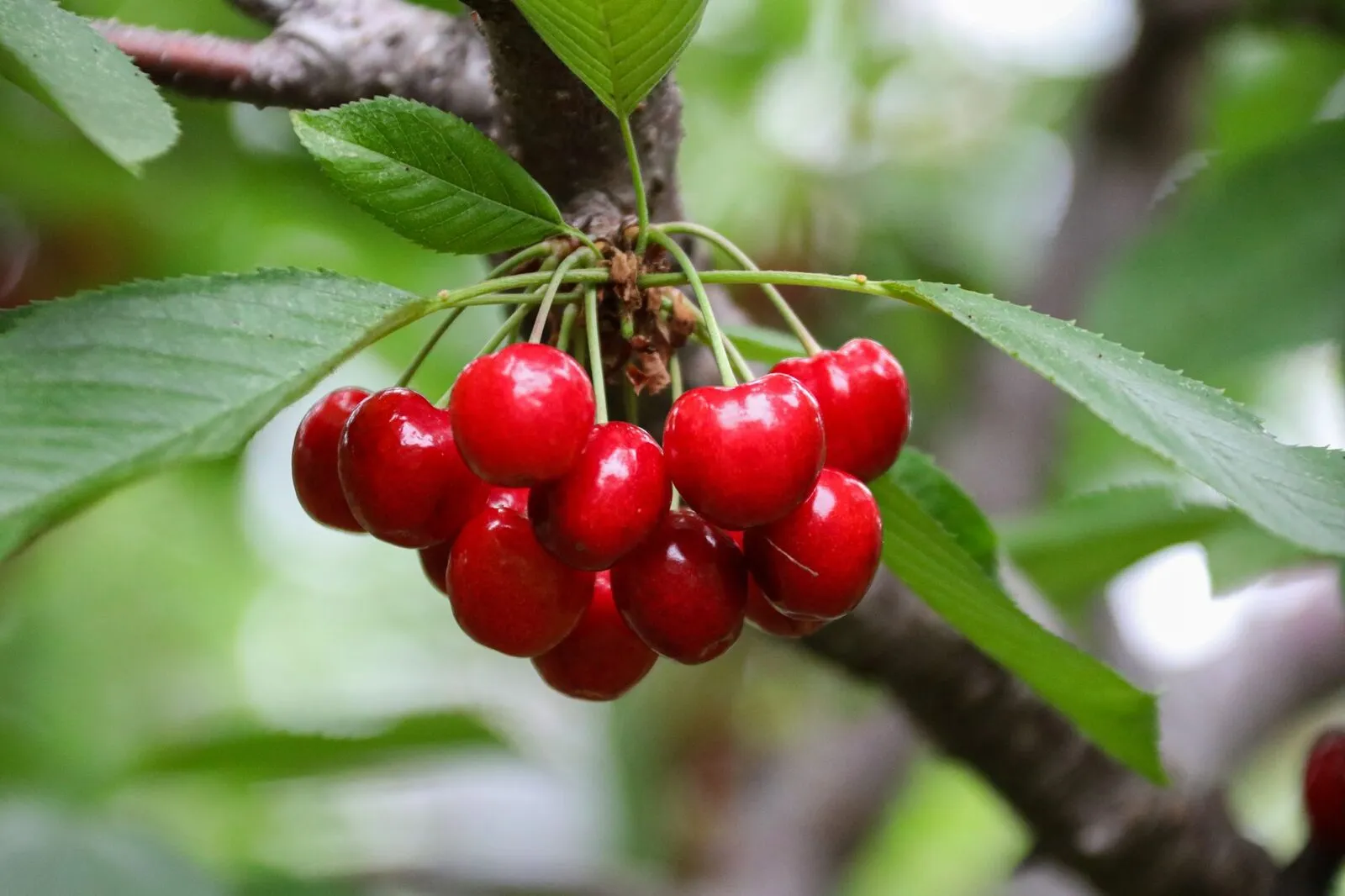
The contamination shows up immediately in the state’s food. Nearly 40 percent of non-organic California-grown fruits and vegetables sampled by the Environmental Working Group contained PFAS residues. The numbers are worse for stone fruit: more than 90 percent of nectarines, plums, and peaches tested carried fludioxonil, a PFAS fungicide.
In water, the picture is equally sobering. About half of California’s surface water and sediment samples tested positive for bifenthrin, a PFAS pesticide linked to cancer. The chemical was found in nearly half of surface water samples and over half of sediment samples statewide.
What AB1603 Does
The bill, authored by Assemblymember Nick Schultz (D-Burbank), would immediately pause state approval of new PFAS pesticides and require public disclosure when the chemicals are used. Growers would need county permits before applying them to crops. The legislation also mandates that retailers and food producers label products if PFAS pesticides were used in their production.
The phased approach reflects political reality: a hard ban hits resistance from commodity producers who rely on these fungicides, particularly in high-value crops. The staggered timeline gives growers space to find alternatives. But the earlier 2030 deadline for EU-banned chemicals sends a message: California views those compounds as indefensible.
The Farmworker Angle
The bill’s language doesn’t explicitly address the workers who absorb the most direct exposure—farmhands mixing and spraying the chemicals in the field. As documented in earlier civil suits and labor investigations, agricultural workers in California spray PFAS pesticides with minimal protection, and some labor advocates argue the regulations governing their use remain inadequate. The law requires disclosure and permits, but relies on existing occupational-safety frameworks that labor groups say are themselves underfunded.
This aligns with broader patterns. While commodity agriculture has pushed back hard on restrictions, the simultaneous squeeze on farmworker wages and conditions means workers often can’t refuse risky assignments or demand better equipment. A pesticide ban that leaves labor protections unchanged is progress, but incomplete.
Where It Goes Next
The bill now moves to the California Senate, where it faces its first real test. Agricultural industry groups—commodity and produce associations, pesticide manufacturers—are expected to mount a campaign against the full ban, likely pushing for narrower restrictions or longer timelines. Senate Agriculture Committee leadership will signal the bill’s prospects.
Passage would make California the first state to comprehensively ban PFAS pesticides, a move that would reshape markets nationwide. Food companies sourcing from California would need either California-grown produce that complies with the ban or supply chains from other states. Equipment makers and agrochemical companies would accelerate alternative-fungicide development. The pressure would ripple.
Federal action remains frozen. The EPA has not moved on a broader PFAS pesticide restriction despite mounting evidence of contamination and health concern, leaving individual states to fill the gap.
For California, the Assembly vote was the easy part. The Senate is where the fight lives.
Priya Sundaram covers climate, soil, and the physical conditions of farming. Tips and story leads: contact@saveusfarms.com.
Related Coverage
- Follow the wider Poisoned Ground investigation.