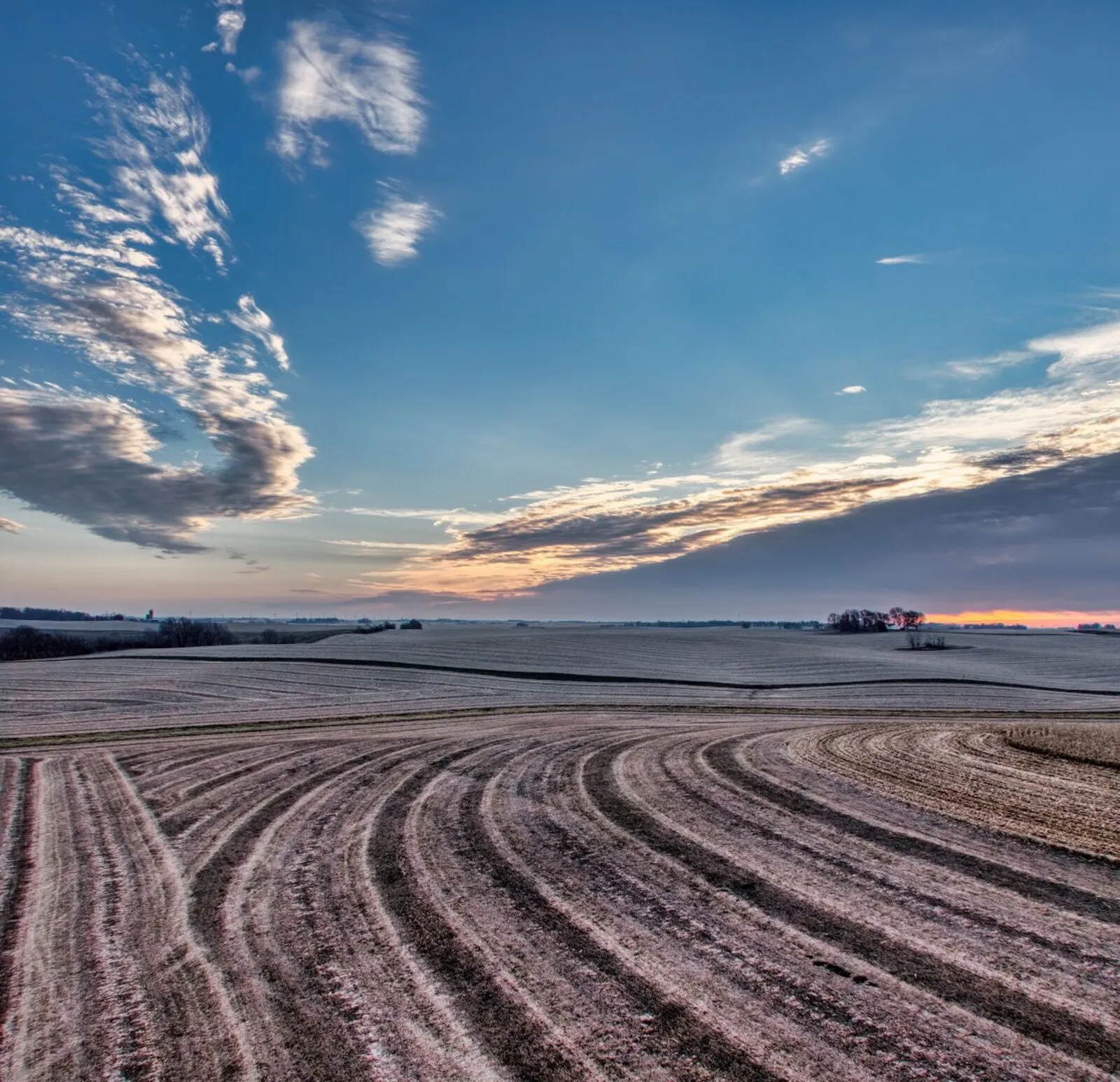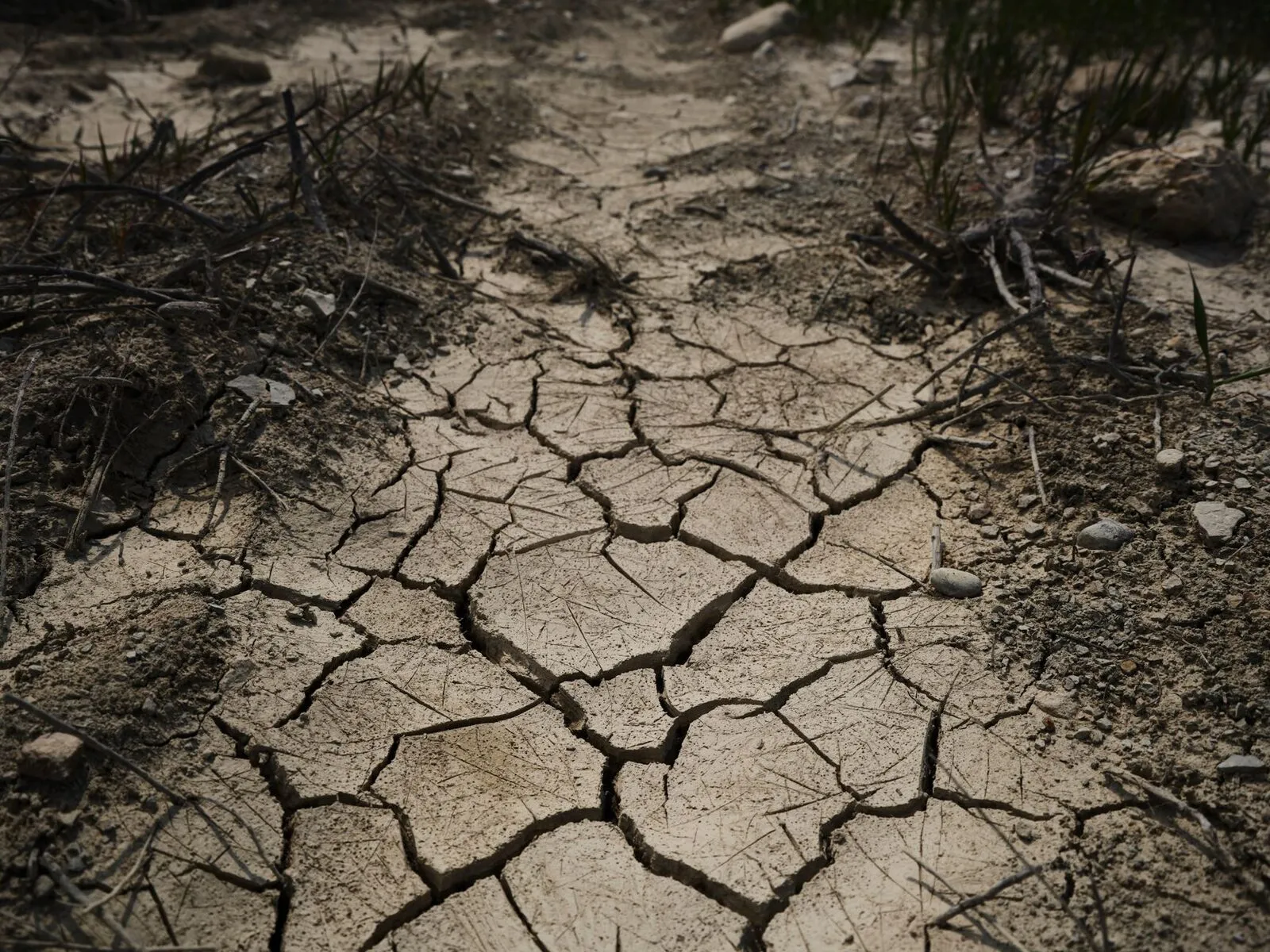
On July 8, 2026, the USDA Farm Service Agency declared four Pennsylvania counties natural disaster areas due to drought and excessive heat, opening emergency credit lines to producers hammered by the peak summer conditions. Susquehanna and Wyoming counties are designated as primary disaster areas; two additional contiguous counties also qualify for aid.
The declaration is the second shoe dropping as climate instability keeps punching farms during their most critical growing window.
A summer no farmer wanted
Across the Northeast and beyond, July 2026 is shaping up as a climatic gauntlet. On July 7, USDA data showed significant percentages of key commodities in moderate or more intense drought: cotton at 55%, rice at 53%, barley at 56%, sorghum at 48%, winter wheat at 47%, and cattle at 46%. In Pennsylvania’s dairy country, the drought means parched pastures and plummeting herd nutrition—a hidden bill that doesn’t show up at the market but eats profitability.
The heat has been relentless. On the Plains and in the mid-Atlantic, high temperatures reached the low- to mid-90s Fahrenheit, with isolated readings hitting triple digits. In the West, hot, dry, breezy weather and depleted topsoil moisture have pushed wildfire threats to broadly elevated levels. According to USDA’s drought monitor, Western states reported more than 35% very short to short topsoil moisture, with Colorado, New Mexico, Utah, and Wyoming all exceeding 75%.
Rangeland—the lifeblood of cattle operations—has deteriorated sharply. Arizona, Colorado, New Mexico, Oregon, and Wyoming reported more than 40% of rangelands and pastures in very poor to poor condition.
What the declaration means
The disaster designation is a lifeline that falls short of solution. Through emergency loans, the USDA FSA provides credit to producers to replace essential farm equipment, livestock, and cropland; reorganize operations; or refinance certain debts. The application window for Susquehanna and Wyoming counties closes February 27, 2027—meaning farmers have months to apply, but the financial damage from this summer is already baked in.
Emergency loans are not free money. They’re credit lines at higher interest rates than traditional farm loans, layered on top of already-stretched balance sheets. Farm debt has climbed to a record $624.7 billion in 2026, and Chapter 12 farm bankruptcies spiked 46% in 2025, with filings continuing to climb in 2026. Emergency loans are a backstop for catastrophe, not a reset.
The pattern
Pennsylvania’s designation is not isolated. Earlier this year, the USDA designated 20 New York counties as disaster areas for drought and excessive heat, with four Pennsylvania counties also eligible as contiguous areas. The frequency of drought and heat disasters has accelerated: what once would have been a once-per-decade event is now routine.
The USDA’s Conservation Reserve Program accepted 2.2 million acres into enrollment on July 7, part of a broader effort to harden farm infrastructure against climate volatility. But conservation alone cannot outrun the pace of heating. Soil health investments take years to mature; PFAS and other persistent contaminants are poisoning the ground that farmers depend on, narrowing the window for regenerative recovery.
For Pennsylvania dairy and crop operations in Susquehanna and Wyoming, the disaster loan is a necessary tool. But it is also an admission: the climate system that American agriculture was built on is no longer stable. Farmers can adapt, replan, and rebuild—but not faster than the season moves.
The next heat wave is already being forecast for mid-July.