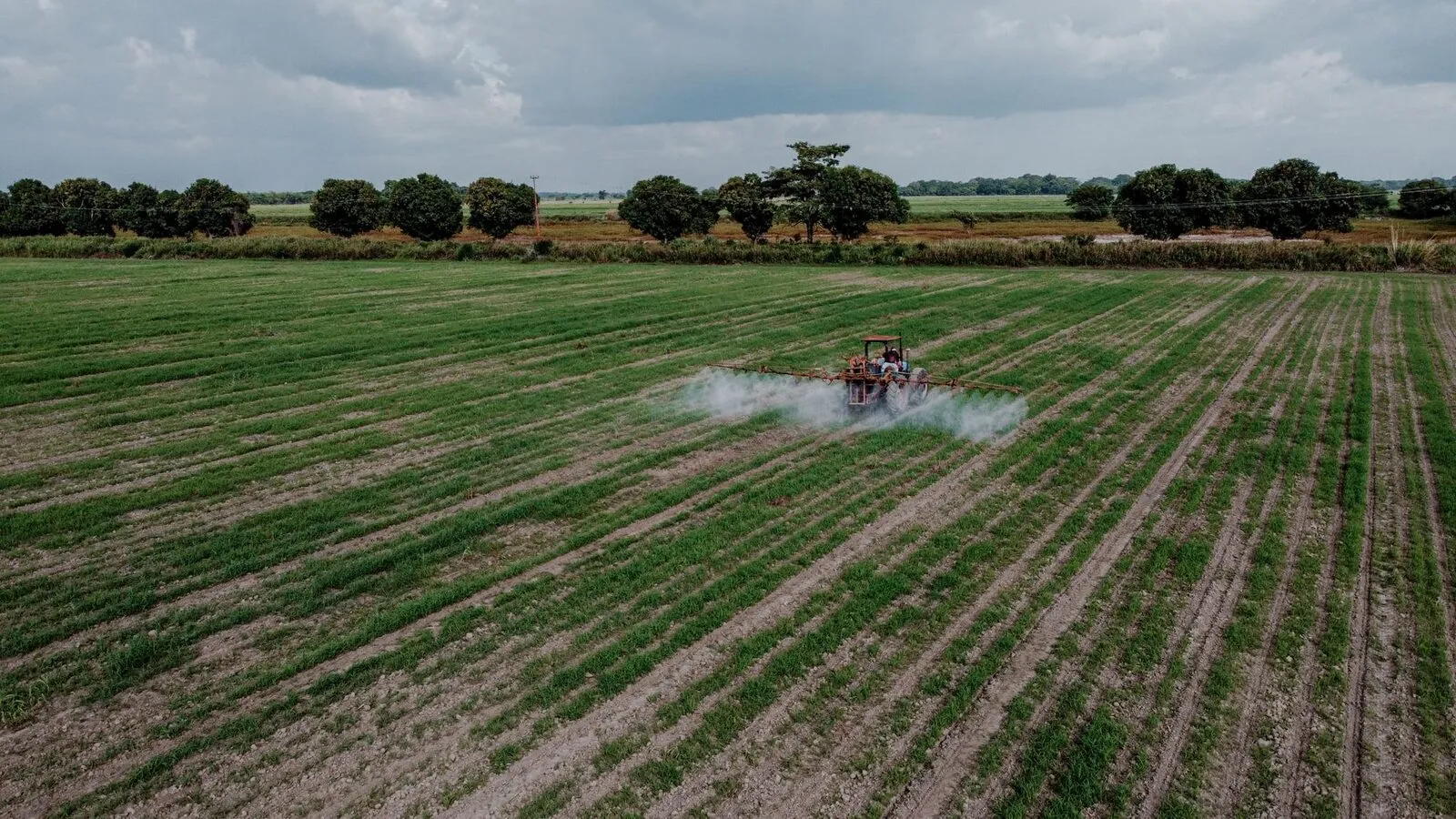
On June 30, the EPA approved four new pesticides in what environmental advocates are calling a troubling milestone: three of the newly approved chemicals qualify as PFAS, the persistent “forever chemicals” that don’t break down in soil or water and accumulate over time.
“The single biggest mass approval of pesticides I’ve ever seen,” according to Nathan Donley, environmental health science director at the Center for Biological Diversity. The timing is particularly concerning given the EPA’s broader regulatory posture: just weeks earlier, the agency threw out Obama-era limits on PFAS in drinking water, signaling a sharply permissive approach to the chemicals.
For farmers already fighting PFAS contamination from industrial waste, sewage sludge, and contaminated irrigation water, these approvals represent a new pathway for the chemicals to enter their soils and crops.
The Definition Dispute
Here’s where it gets murky. The EPA says these three herbicides don’t qualify as PFAS under its definition and are therefore safe when used according to label instructions. But scientists at the Organization for Economic Cooperation and Development have classified them as PFAS based on their chemical structure—specifically their fluorine backbone, the signature of forever chemicals.
The EPA’s narrower definition is the outlier. “While not as dangerous as older PFAS like PFOS and PFOA, these chemicals still persist in the environment for long periods,” experts note, creating long-term accumulation risks that the agency’s approval process isn’t designed to catch.
A Compounding Crisis
The contamination pathways are multiplying. PFAS reaches farmland through sewage sludge used as fertilizer, contaminated irrigation water, and industrial leaching. Now, pesticides themselves become a vector.
The real-world toll is already visible. In Maine, PFAS in sewage sludge contaminated surface water, drinking water, and impacted fish, deer, turkeys, and crops in fields. Crops readily absorb PFAS through their roots, accumulating the chemicals in shoots and grains—meaning whatever enters the soil can end up on plates.
What Farmers Face
Unlike a pesticide residue that breaks down in a season or two, PFAS persists indefinitely. A farmer who applies one of these new herbicides may be committing their soil to decades of chemical accumulation. That translates to unmergeable land, uninsurable crops, and unresolvable liability—the financial ruin of contaminated soil is a death sentence for a family farm.
The EPA’s approval process gives no weight to these long-term cumulative risks. The agency evaluated each pesticide in isolation, not as part of an already-mounting PFAS burden on American farmland.
What’s Next
The approvals arrive alongside the EPA’s new guidance on sewage sludge use as fertilizer, which tilts toward less restrictive regulations. Together, these moves suggest a regulatory environment hostile to PFAS concerns—even as contamination spreads across regions and crops.
Farmers face a dual squeeze: their soils are already being weaponized with industrial PFAS via sludge, and now the EPA is clearing pesticides that carry the chemicals themselves. For beginning farmers fighting record debt and land access barriers, the prospect of inheriting contaminated land is another barrier to survival.
The real cost of these approvals won’t show up in quarterly earnings or EPA reports. It’ll show up in soil samples, crop tests, and medical bills down the line—and by then, the chemicals will already be embedded in the ground.
Related: July Heat Threatens Corn Pollination as Climate Stress Builds, USDA Launches Crackdown on Foreign Farmland Ownership, April Farm Bankruptcies Spike 130% as Sector Debt Hits Record