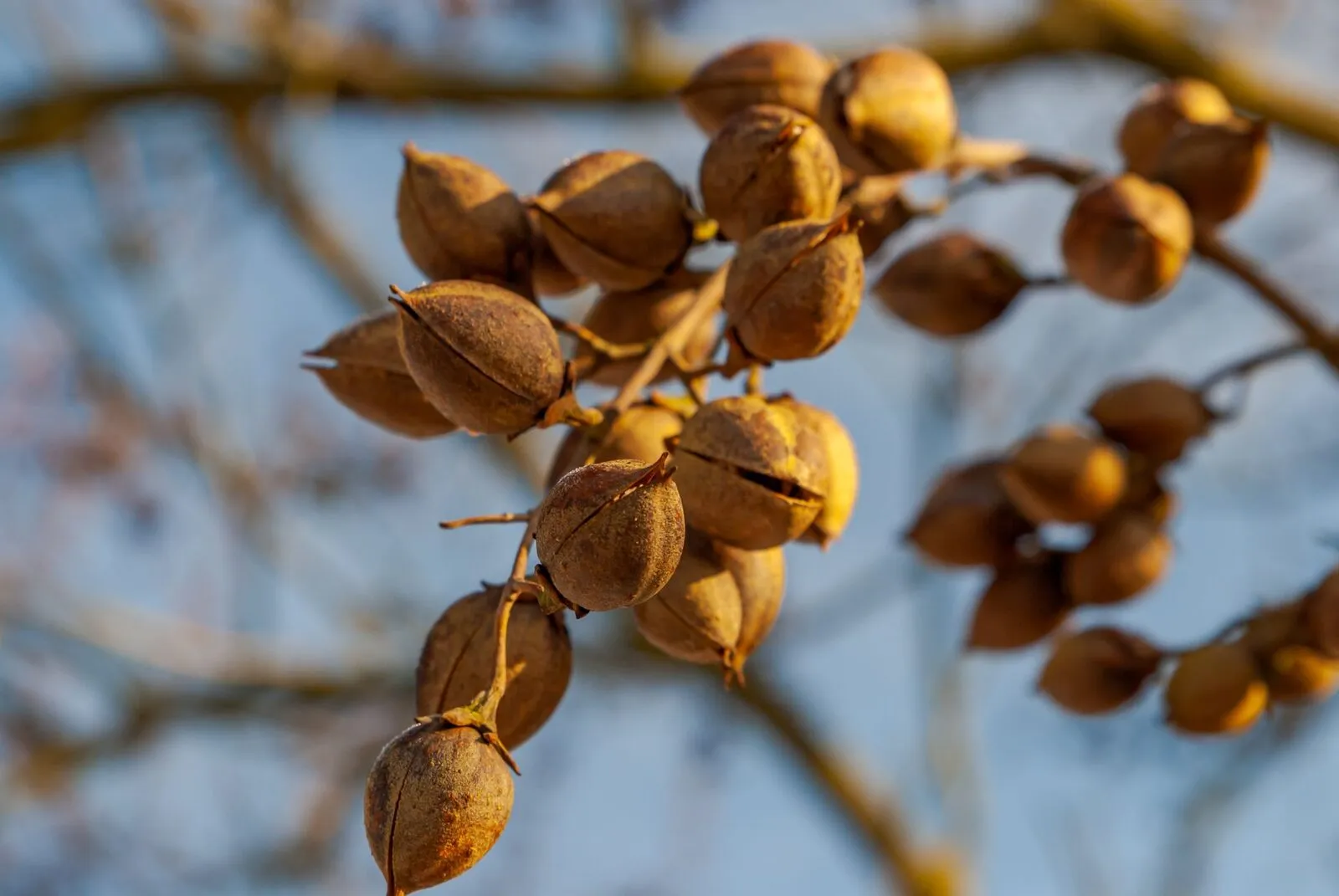
A tree that many people in the East write off as a “trash tree” may turn into a small but real income stream for farmers. That is the story in a Civil Eats report by Emma Loewe, published November 17, about the yellowbud hickory and the people trying to turn its nuts into cooking oil.
What is happening
The tree is Carya cordiformis, also called yellowbud or bitternut hickory. In southeastern Pennsylvania, a group of about 15 volunteers recently gathered its nuts at a foraging event run by Bloom Farm in Berks County. The nuts were weighed and then driven to a processing facility a few miles away, where they are pressed into an oil the report compares to olive or canola.
According to Civil Eats, a nursery called Yellowbud Farm is now supplying yellowbud seedlings to growers across the tree’s range, which spans much of the mid-Atlantic, Midwest and Southeast. Early adopters like Bloom Farm are watching young trees grow in orchard and agroforestry settings. Once cultivated trees begin dropping nuts, the report says, they could give farmers an additional source of income and give Eastern consumers a new local cooking oil.
Why the tree was overlooked
The yellowbud has none of the obvious selling points of its neighbors. As the report puts it, it lacks the strong timber of an oak, the sweet sap of a sugar maple or the snackable nuts of a pecan. Its nuts are bitter and high in tannins, compounds plants use to discourage animals from eating them.
Civil Eats also notes that Indigenous peoples long valued the tree, using its wood for tools and turning its nuts into milk, and that these traditions were largely lost to colonization. That history is part of why the piece frames the oil as an Indigenous food rooted in the region, not an invention.
The seed oil argument
The timing matters. The report says the effort is building while seed oils have been vilified by health influencers and by Health Secretary Robert F. Kennedy Jr. Whatever you think of that debate, the practical point for farmers is simple: a locally pressed oil from a tree crop is a product with a story that buyers can understand.
Bloom Farm is also trying to build the surrounding system, not just the product. The report describes a network of orchard scientists, nut processors and volunteers who observe yellowbuds in the wild, with the goal of making that part of Pennsylvania a hub for what it calls a low-input, sustainable food source.
What we can and cannot say yet
This is early. The cultivated trees have not reached nut-bearing age, so nobody can honestly say what a yield per acre looks like or what a grower would earn. The excerpt of the Civil Eats story available to us sits behind a membership wall, and we are not going to guess at prices, yields or oil volumes that the report does not give in the public portion. If you are thinking about planting, treat the seedling supply as a bet on the future, not a business plan.
Why it fits the bigger picture
Farm margins are tight across the board, as we have covered in our reporting on farmers struggling with debt as marketing challenges persist, and the policy picture is unsettled after the elections, as we noted in our look at the midterm results, the farm bill and fertilizer costs. A perennial tree crop will not fix either problem. But a low-input product that adds income without another round of purchased seed and fertilizer is the kind of option more growers are asking about.
The model here is also communal. Volunteers picked by hand, most skipping the rakes, and then handed their buckets to a farm that could weigh and press them. That is local food infrastructure being built one bucket at a time, which is the thread running through our Resistance coverage.
Watch for whether processors elsewhere in the yellowbud’s range start buying nuts, and whether the first orchard harvests produce numbers that make the economics clear.


