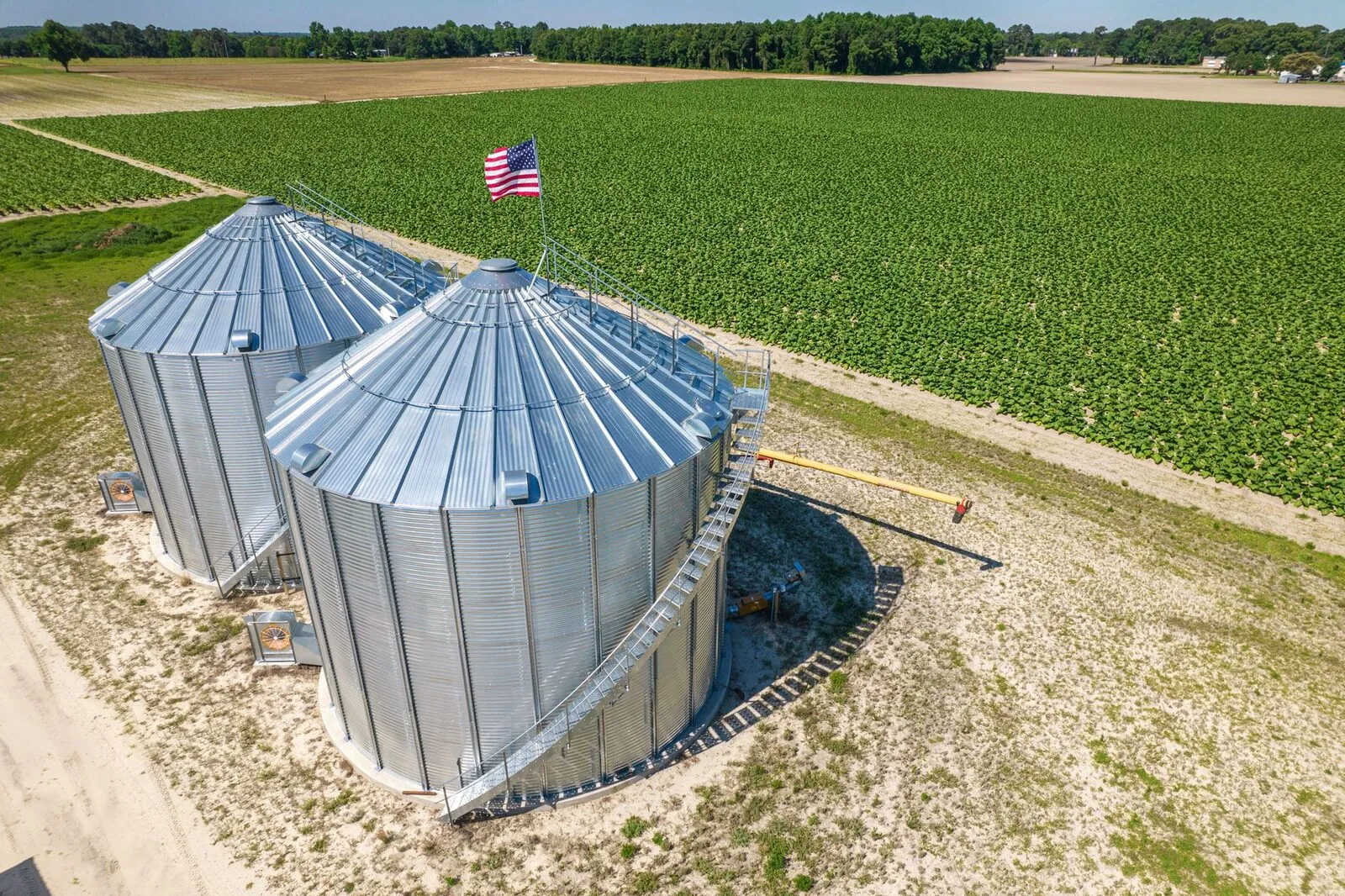
Farmers across the United States are grappling with significant financial pressures, particularly from mounting debt and challenges in marketing their crops. The struggle to move grain out of storage bins is a pressing issue that affects many farmers’ bottom lines [https://www.farmprogress.com/marketing/how-to-move-grain-out-of-your-bins]. Leading analysts Jim McCormick, COO of AgMarket, and Nick Tsiolis, CEO of Farmer’s Keeper, addressed these challenges in a recent webinar hosted by Farm Futures. They highlighted the complexities farmers face in navigating post-harvest grain marketing strategies [https://www.farmprogress.com/marketing/how-to-move-grain-out-of-your-bins].
The financial strain on farmers is exacerbated by political battles and policy changes that can impact their livelihoods. In a recent development, President Trump faces a Republican revolt in the Senate as farm policy and trade issues become more contentious [https://news.google.com/rss/articles/CBMijgFBVV95cUxNT2x3OHpMRWtlVjlacm44aUxmRXRlT0dfUmtnemVyU016eG9za3M5US1mdUM0Y0FIbk1GaHR5VVRpb1NOVVFONjE1bnhfd3oycnpzTWNDZzFNUk9vTFlnUlh1M2FSNmpYeVlQXzZvUEhIbmJtOU02WmhsRVpSa3FvMTlZeTdfXy1hcE4yOXh3?oc=5]. This political landscape adds uncertainty to an already volatile market, making it difficult for farmers to plan and secure their future.
The impact of these challenges is multifaceted. Farmers are not only dealing with the physical task of moving grain but also the economic implications of delayed sales. The longer grain stays in storage, the more costs accumulate, including interest on loans and potential degradation of the crop quality [https://www.farmprogress.com/marketing/how-to-move-grain-out-of-your-bins]. This situation can lead to a vicious cycle where farmers are forced to sell at lower prices just to recoup their expenses.
Moreover, the agricultural sector is facing broader economic pressures that affect all aspects of farming. The price impact of biodiesel and other market dynamics discussed in recent agribusiness news further complicates the marketing landscape [https://www.farmprogress.com/week-agribusiness/this-week-in-agribusiness-november-14-2026]. These factors collectively contribute to the financial strain on farmers, making it crucial for policymakers and industry leaders to address these issues effectively.
In response to these challenges, some farmers are exploring alternative strategies to reduce their dependency on traditional markets. For instance, learning to grow essential crops at home can provide a measure of self-sufficiency and reduce grocery bills [https://modernfarmer.com/2026/11/homestead-crops/]. While this approach may not solve all the financial pressures faced by farmers, it offers a way to mitigate some of the costs associated with food purchases.
Overall, the struggle for American farmers is multifaceted and requires comprehensive solutions. Addressing the challenges in grain marketing and providing support through policy changes can help alleviate some of the financial burdens they face [https://www.farmprogress.com/marketing/how-to-move-grain-out-of-your-bins].


