The U.S. Department of Agriculture just locked small farmers out of renewable energy grants. On October 1, the USDA published a final rule overhauling the Rural Energy for America Program (REAP), which took effect on October 16. The changes reverse the program’s 24-year track record of supporting family farming.
Created in the 2002 Farm Bill, REAP offered grants and guaranteed loans for farmers, ranchers, and rural businesses to install renewable energy systems and improve energy efficiency. The program funded solar installations, efficient grain dryers, irrigation pumps, and cooling systems across thousands of farms. It was bipartisan and popular, especially with smaller operators.
The new rule flips the financial structure completely. Previously, farmers could apply for grants before building a project, giving them confidence federal support would arrive before they invested their own capital. Now they have to pay the full cost upfront, run the system for a year, then compete for a grant with no guarantee of an award.
That barrier is insurmountable for the farmers who needed REAP most. Any operation that can’t front the full cost of a solar array or grain dryer and then wait over a year for reimbursement is now shut out, according to the National Sustainable Agriculture Coalition (NSAC). That excludes beginning farmers, farms operating on thin margins, and small family farmers. It’s the definition of consolidation policy.
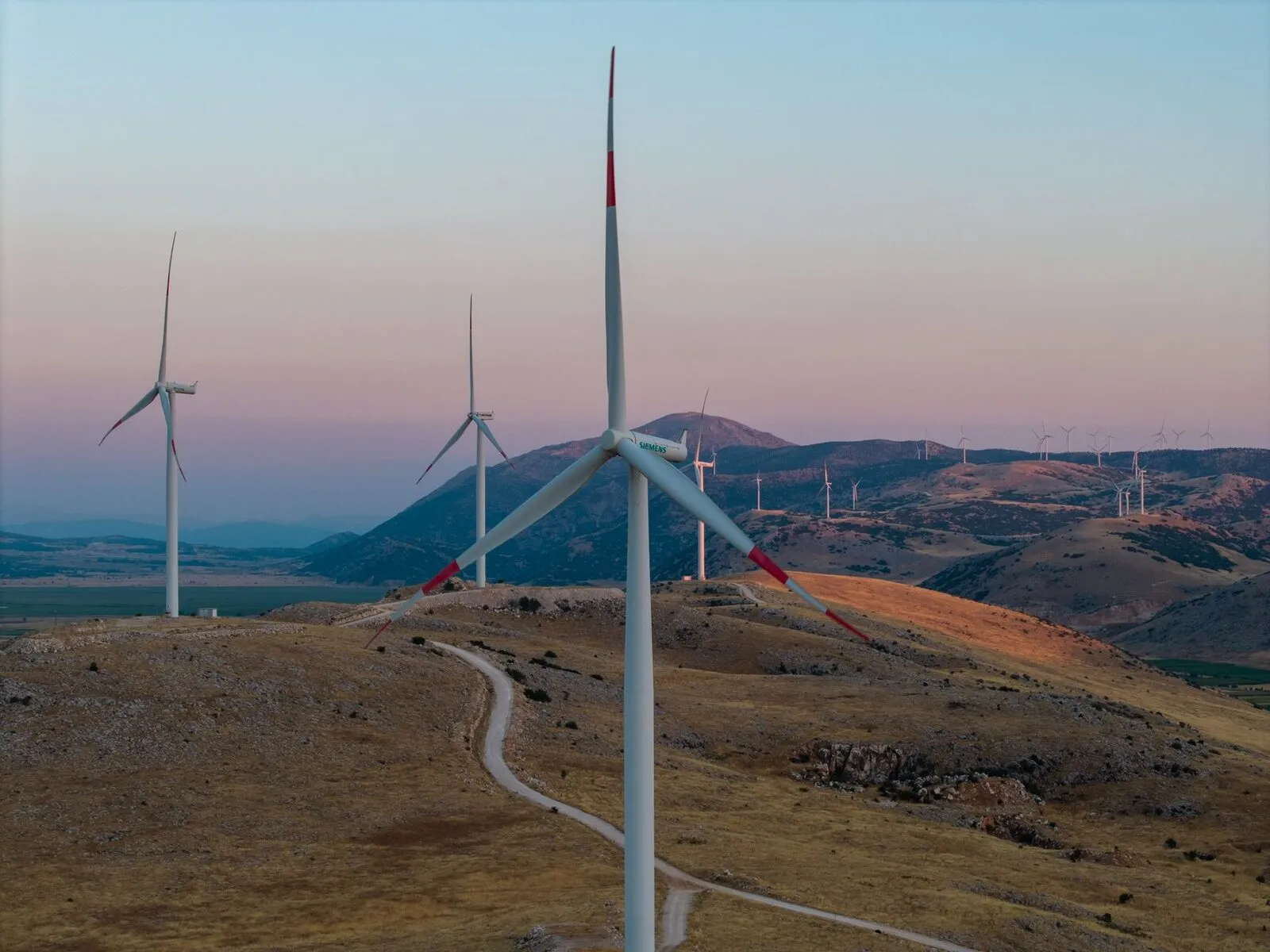
The new rule also narrows which projects qualify. Ground-mounted solar and wind systems on cropland are no longer eligible. The USDA also won’t fund retrofits of existing solar or wind systems on cropland, and can no longer support solar and wind systems that can’t document historical energy usage. Anything made partly in a country designated a foreign adversary is ineligible too.
NSAC says the new rule appears to conflict with REAP’s original statute in multiple ways. Congress wrote the program to fund proposed projects and was explicit that solar and wind are eligible. The legality of whether USDA has the authority to rewrite the program this drastically remains an open question.
The timing matters. The USDA stopped processing REAP applications on March 31, 2026, and in April, the agency rescinded the program’s funding notice. Applicants already in process were told to reapply under new rules. It was whiplash for farmers and rural businesses who’d been counting on federal support.
The rollback follows an earlier Executive Order pushing federal funding away from renewable energy. It’s part of a broader shift in agricultural policy that tilts toward large operations. Farms with deep capital reserves can now afford to build renewable systems on spec. Smaller operations, stuck carrying debt and vulnerable to price swings, can’t play that game.
For context, see how energy costs have already squeezed farmers: diesel prices have stayed brutal for Southwest operators. Renewable energy could have offered relief. Now it’s a privilege for the rich.
The rule hits hardest at farms already in financial free fall. Agricultural debt and commodity prices have crushed family operators for years, and programs that could help them adapt get narrower, not broader. Farmers are filing for bankruptcy at record rates, especially in states like Arkansas. Renewable energy investments could improve resilience and cut long-term costs. Instead, the policy now favors operations that can already afford to weather volatility.
NSAC’s pushback highlights a deeper problem: when policy tilts toward consolidation at every pressure point, small farms can’t compete. They face input cost swings, commodity market power concentrated in the hands of a few buyers, equipment monopolies, and now a renewable energy program redesigned for the wealthy. That’s not coincidence. That’s the shape of agriculture policy right now.
The National Sustainable Agriculture Coalition has published recommendations for how the rule should be rewritten to return REAP to a program that benefits most farmers and rural small businesses, not just the wealthiest. More on farm financial pressure: Arkansas farmers struggling with record bankruptcy rates and regenerative approaches as climate solutions.


