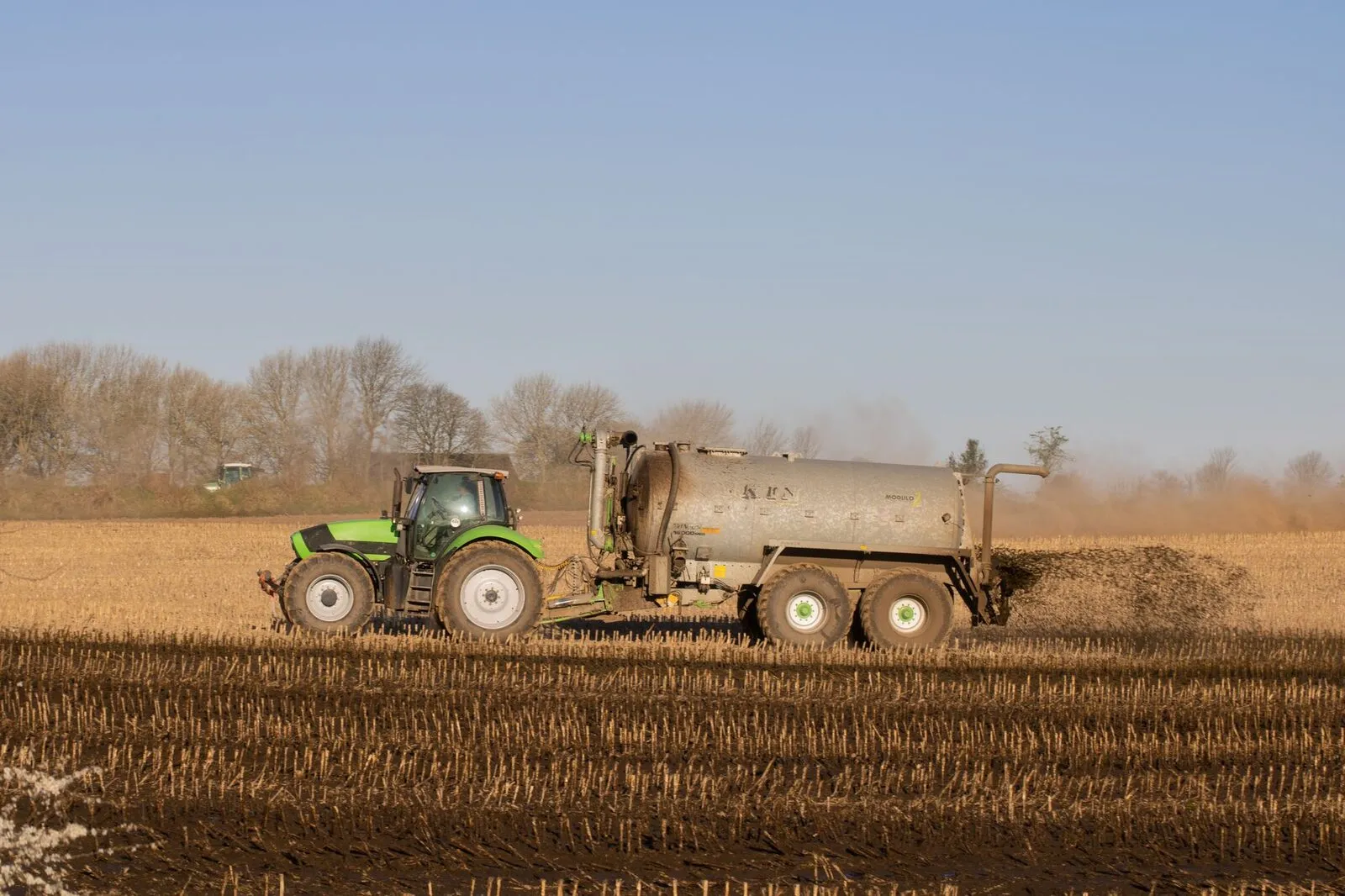
Food and farm costs did not sit in the background of this year’s election. According to Investigate Midwest, those issues helped carry Democrats to control of both the House and the Senate in the Nov. 3 midterms, clearing a path to major changes in federal food and agriculture policy.
For farmers already squeezed on margins, the question is practical: what actually moves, and how fast?
The ballot was a cost sheet
David Ortega, a professor of food economics and policy at Michigan State University, put it plainly in a LinkedIn post cited by Investigate Midwest: “Tariffs, diesel, fertilizer, farm labor, and grocery bills were all on the ballot.”
That lines up with the pressure we have tracked all fall. Our reporting on rising costs threatening farm sustainability and on farmers struggling with debt and equipment costs described the same squeeze from the operator’s side. The election results suggest voters saw it too.
Diesel and fertilizer: the Iran war angle
On CNN, Representative Hakeem Jeffries (D-New York), now poised to become Speaker, said one of Democrats’ first priorities will be getting President Donald Trump to end the war with Iran. Investigate Midwest reports the goals include bringing down high diesel and fertilizer prices, which have been at the forefront of many farmers’ concerns.
Two caveats matter here. Trump keeps his veto power, and a stated priority is not a policy. Congress can pressure, hold hearings and attach conditions, but it cannot by itself drop input prices. Treat any promise of quick relief at the pump or the fertilizer dealer with suspicion.
The farm bill is three years late
The biggest structural change is who steers the farm bill. Investigate Midwest notes it is currently three years late and has stalled in the Senate over party-line disagreements about changes Republicans made to the Supplemental Nutrition Assistance Program (SNAP). We laid out the stakes earlier this month in our piece on the farm bill at risk in the midterms.
Democrats now take over steering that legislation in Congress. Senator Michael Bennet (D-Colorado) is preparing to become Senate Agriculture Committee chairman, per the report. At an event with food bank operators in mid-October, he said: “I’m committed to go back and to try to make sure that we get this farm bill passed, and that we are not just reversing the [SNAP] cuts, but we’re actually improving the work that we’re all doing together.”
His chairmanship is not settled. Senator Sherrod Brown (D-Ohio), who won back a seat he lost two years ago, could claim the job based on his former seniority.
A different committee table
Membership on the agriculture committees is changing too:
- Senator Roger Marshall (R-Kansas) lost his race to Democrat Adam Hamilton. Senator Cindy Hyde-Smith’s (R-Mississippi) race was still too close to call at the time of the report.
- In the House, Representatives Shontel Brown (D-Ohio) and Jim Costa (D-California) will compete for the top Democratic seat on the Agriculture Committee.
- Representatives David Valadao (R-California) and Zach Nunn (R-Iowa), both committee members, were unseated by Democratic challengers.
States will do the implementing
Federal law is written in Washington, but states run much of the machinery. Investigate Midwest reports Democratic governors will now lead a majority of states for the first time since 2010, which matters most for how SNAP changes are rolled out.
Sam Newton of the Democratic Governors Association said at a Wednesday press conference that he expects Democratic governors to “continue to stand up against these SNAP cuts and do everything they can to protect people in their states.” That is a partisan group describing its own intentions, so read it as a signal, not a result.
Several incoming governors have food and farm credentials, according to the report: Senator Amy Klobuchar in Minnesota, Deb Haaland in New Mexico, who has spoken publicly about relying on SNAP to feed her children, and Hannah Pingree in Maine.
The state-level SNAP fight is already live in smaller ways. See our coverage of the 90-day reprieve on the SNAP stocking rule for small grocers.
What the voters said about MAHA
Investigate Midwest also reports that Republican candidates backed by Health Secretary Robert F. Kennedy Jr. and Make America Healthy Again (MAHA) Action generally did not do well. MAHA-endorsed Zach Lahn lost the Iowa governor’s race to Democrat Rob Sand. The packet text we retrieved was cut off partway through the Texas Senate result, so we are not reporting on that race here.
What to watch
- Committee chairs. Whether Bennet or Brown leads the Senate panel will shape how fast a farm bill text moves.
- SNAP language. The core fight is whether the bill reverses the Republican-era changes or only patches them.
- Input costs. Watch whether diesel and fertilizer prices actually respond to any shift on the Iran war, rather than to campaign rhetoric.
- State rollouts. Governor transitions will determine how SNAP changes are administered on the ground.
For more on the money side of farming, follow our Crushed by Debt coverage. A new Congress changes who writes the bill. It does not change the fact that farmers are paying for fuel, fertilizer and credit today.


