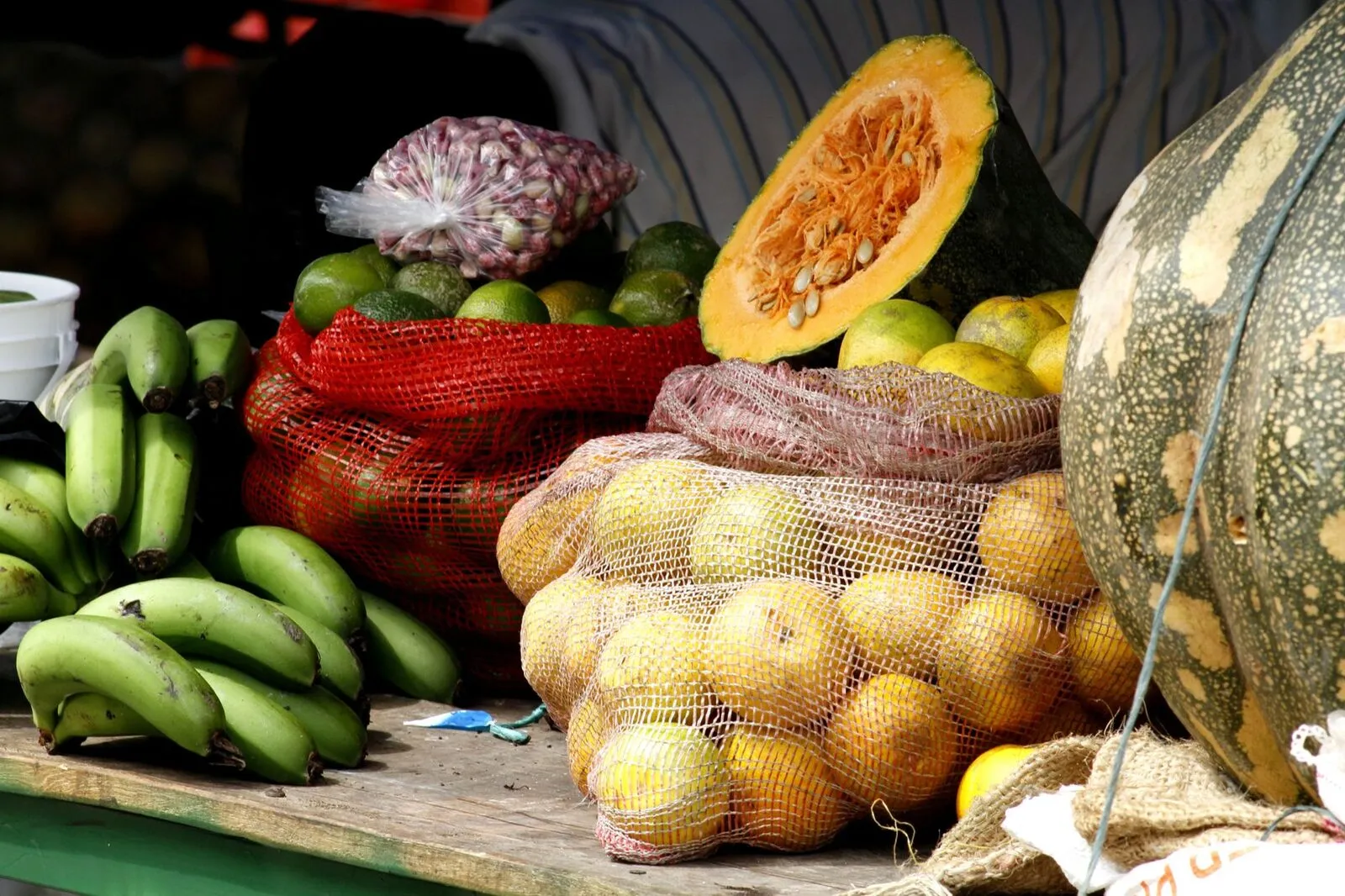
On an island where more than 80 percent of food is imported, a growing number of farms and food groups are skipping the middle and selling directly to the people who eat what they grow. Civil Eats reports that these small, relationship-driven networks source from the farms around them, and that they are spreading across the island.
Take the Súper Solidario in Caguas. Once a month, Marisel Robles arrives at 6 a.m. to set up the market, which offers products from more than 15 small-scale local farms at fair prices. It also has a “solidarity shelf” where any visitor can select items at no cost. Every time she arrives, two hours before opening, there is a line at the door, according to the same Civil Eats report.
The Súper Solidario launched in late 2020, and its 41 members run it like a food co-op. They exchange their labor for access to goods at cost. After market day, a “processing brigade” takes whatever produce is left and turns it into sofrito or freezes it to make fresh juice the following month.
The numbers make the model concrete. Last year, more than 2,000 people visited the Súper. Nearly a quarter of them were first-time customers, and more than two-thirds took goods from the solidarity shelf. The market also bought 40 different crops outright from 22 farmers. For growers, that means reaching consumers without taking time away from the land, and without absorbing the losses on unsold produce.
“We want to promote local production,” says Robles. “For us, the most important solution to hunger is to have a direct network between producers and consumers.”
The Súper is one part of a wider picture. The same reporting describes a growing group of producers and consumers across Puerto Rico working to make fresh, local food more accessible and affordable through models that reach buyers directly. Finca Güakiá, co-founded by Marissa Reyes and Stephanie Monserrate, is one example. It seeks to bring produce grown in the mountains of San Lorenzo to consumers in urban areas.
Why these networks are taking hold now has a clear logic in the reporting. Civil Eats points to three pressures: an island that imports most of its food, climate disasters and global shocks that hit supply chains hard, and climbing prices at traditional supermarkets that worsen food insecurity. Direct networks are one answer to all three, because they shorten the distance between a field and a shopping bag.
The shift away from farming has a policy history too. Civil Eats places it under the heading “A Colonized Food System.” In the late 1940s, Operation Bootstrap, carried out with the U.S. government, aimed to move the economy from agriculture to industry through corporate tax breaks and other market-oriented reforms. The first large-scale supermarkets arrived in the 1950s. As rural jobs declined, many people left the countryside for cities in Puerto Rico or the United States.
The open question is scale. The reporting describes how one market and one set of networks operate, but it does not show how many such networks exist or how much of the island’s food they move. We have not been able to verify either figure from the material available to us, and the full Civil Eats article is behind a membership wall. Until someone measures it, the networks are best understood as a serious alternative to the import-dependent supply chain, not a replacement for it.
For more on the pressures facing the people who grow and handle food, see our coverage of ICE enforcement across the food system, our reporting on the USDA’s REAP rule and small farmers, and our cover crop coverage.


