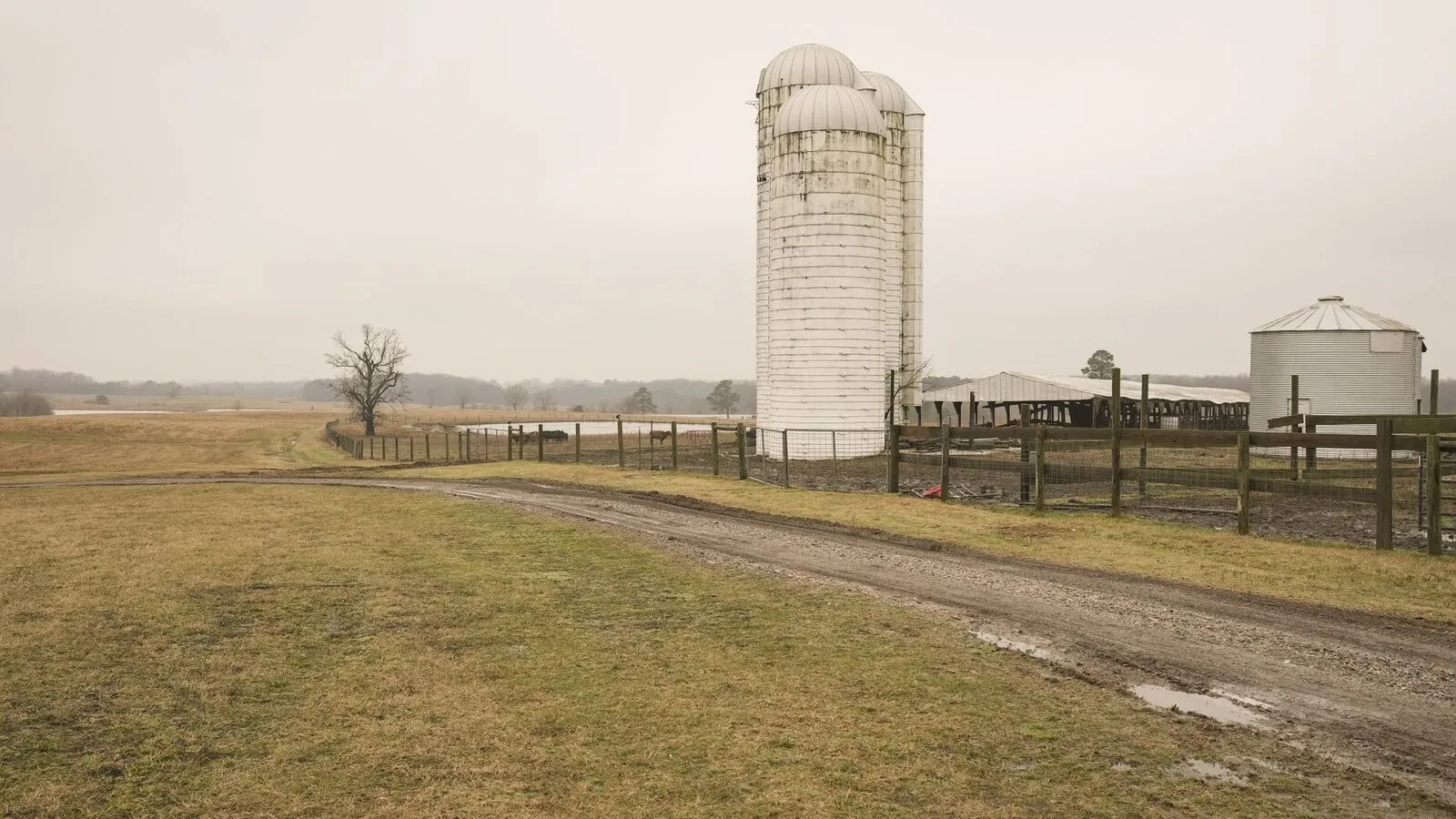
In a concerning trend for American agriculture, Arkansas farmers are experiencing record-high bankruptcy rates due to escalating input costs. According to Farm Progress, the state’s farms are filing for bankruptcy at twice the rate of any other state Farm Progress. This surge is particularly affecting rice and corn growers, who are finding it increasingly difficult to manage their financial burdens.
The primary culprits behind this crisis are rising fuel and fertilizer expenses. These costs have escalated significantly, squeezing profit margins and leaving many farmers with little room for error. The situation has reached a critical point where some operations can no longer sustain themselves financially Farm Progress.
This financial strain is not unique to Arkansas but highlights the broader challenges faced by American farmers across various regions. In California, for instance, water scarcity and wildfires pose additional threats to agricultural sustainability, further complicating the economic landscape Google News Agriculture. However, the specific issue of input costs remains a pressing concern that requires immediate attention.
While the situation in Arkansas is dire, it underscores the need for policy changes and support systems to alleviate the financial pressures on farmers. The bankruptcy wave could have far-reaching consequences for food security and rural economies if not addressed promptly Farm Progress.
It’s important to note that these challenges are not isolated incidents but part of a larger trend affecting agricultural communities nationwide. As input costs continue to rise, many farmers find themselves in a precarious position, struggling to maintain their operations without significant financial assistance or policy reforms.
In response to these pressures, some stakeholders are exploring innovative solutions to support the farming sector. For example, there is ongoing discussion about importing breeding heifers from Mexico to the U.S. Southwest Beef Magazine. This proposal aims to provide farmers with access to quality replacement heifers, potentially reducing costs and improving herd productivity Beef Magazine.
However, such initiatives must be carefully considered to ensure they do not exacerbate existing issues or create new ones. The focus should remain on finding sustainable solutions that address the root causes of financial distress in agriculture.
In conclusion, the record bankruptcy rates among Arkansas farmers serve as a stark reminder of the challenges facing American agriculture today. Addressing rising input costs and providing support to struggling operations is crucial for maintaining the viability of our nation’s farms Farm Progress.
Read more of our reporting on farm debt and costs. For a related account, see the Arkansas farm bankruptcy crisis.


