The USDA is shuttering three cyclospora research projects as part of broader funding cuts and staff relocations. According to Politico Agriculture, the shelving of these projects will hinder vital research at a time when consumers are increasingly worried about the safety of the food supply.
The timing is grim. Cyclospora cayetanensis, a parasitic pathogen that causes severe diarrhea and abdominal illness, has sickened hundreds of Americans in recent years. It spreads through contaminated fresh produce, especially berries, lettuce, and other leafy greens. When an outbreak hits, the burden falls hardest on farmworkers and low-wage consumers who depend on affordable fresh food.
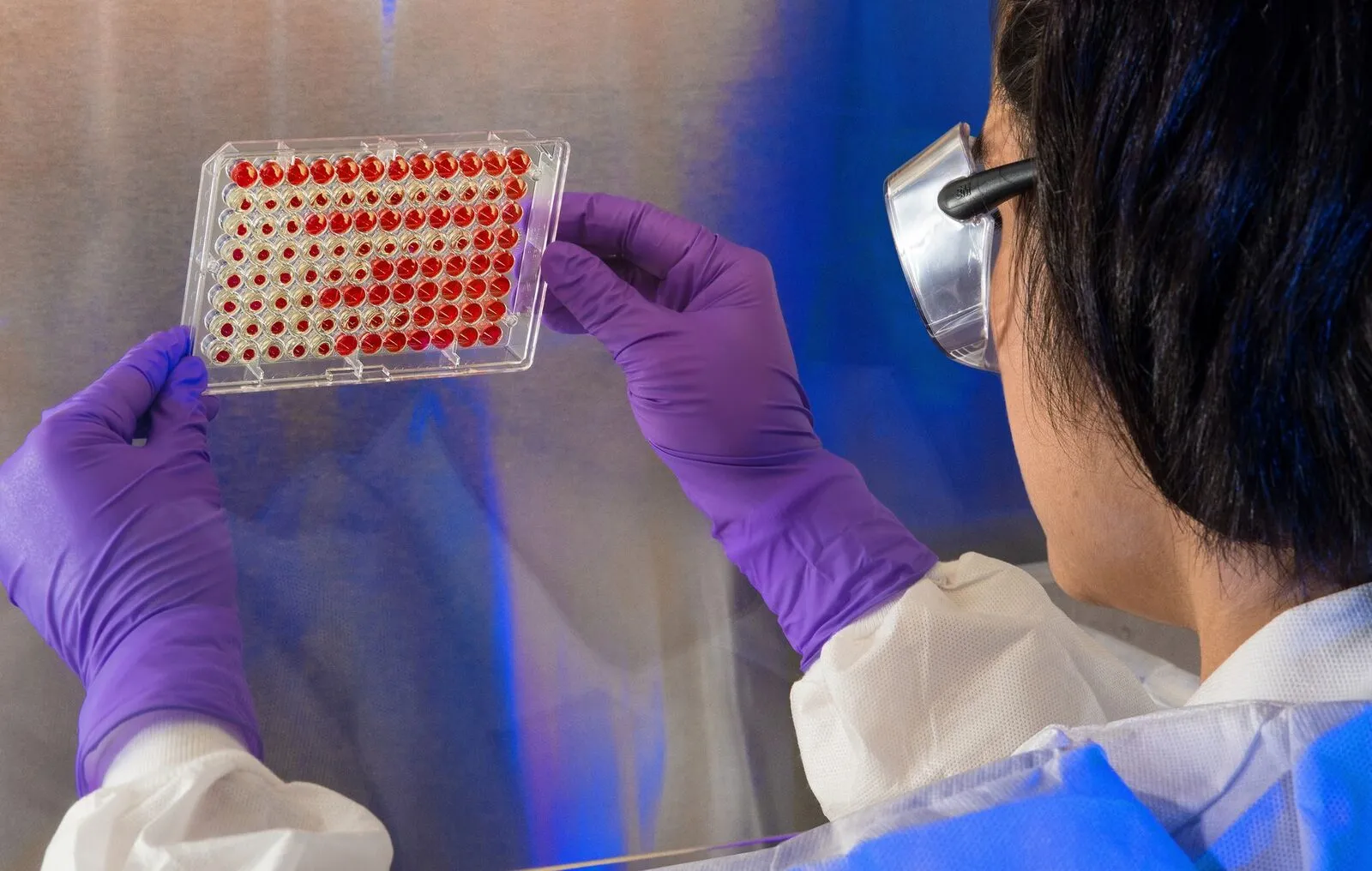
The three shuttered projects were focused on detection, prevention, and tracking cyclospora contamination across the supply chain. That research was building the knowledge base to keep parasites out of fields and off grocery shelves. Without it, the USDA loses capacity to understand how cyclospora spreads, where it’s most likely to appear, and how farmers and packers can prevent it. The gap leaves the supply chain vulnerable.
Cyclospora outbreaks are notoriously hard to trace. The pathogen can hide on produce for weeks. Contaminated water, inadequate sanitation, and poor worker hygiene are common culprits, but the specific origins of many outbreaks remain unknown. That’s precisely what research was meant to clarify. A 2026 outbreak linked to contaminated raspberries sickened dozens before the connection became clear, leaving the public guessing whether imported or domestic produce was the source.
The research cuts are part of a larger USDA reorganization that has included staff layoffs and the relocation of entire research divisions away from Washington, D.C. The stated goal is efficiency. The practical effect is a reduction in the USDA’s capacity to monitor, study, and prevent foodborne illness. A smaller research bureau means fewer eyes on emerging threats and longer delays in identifying and containing contamination when it occurs.
For farmers growing fresh produce, the research shutdown creates perverse incentives. Without USDA guidance based on active research, they lack actionable intelligence on cyclospora prevention. Produce packers, similarly, will have fewer resources to draw on for risk assessment and mitigation. The result is more guesswork, higher liability, and—ultimately—higher risk to consumers and farmworkers.
Cyclospora is not a fringe concern. Climate change is expanding the environmental conditions where the pathogen thrives. Warmer, wetter springs and summers create ideal breeding grounds. A heating world means more cyclospora, not less. Shutting down research now, just as the threat is intensifying, is the opposite of preparing for what’s coming.
The administration’s defense of the cuts centers on budget constraints and the need for organizational streamlining. That argument might carry weight if cyclospora were a solved problem. It isn’t. Research into prevention and detection is ongoing work that pays dividends across the supply chain, from farm to table.
For now, the USDA continues to respond to outbreaks as they happen. But without active research, those responses will remain reactive, slower, and less precise. The gap between knowing where contamination comes from and being able to prevent it just widened. Farmworkers and low-income consumers, the groups most exposed to contaminated produce, will feel that gap first.
Cross-links: