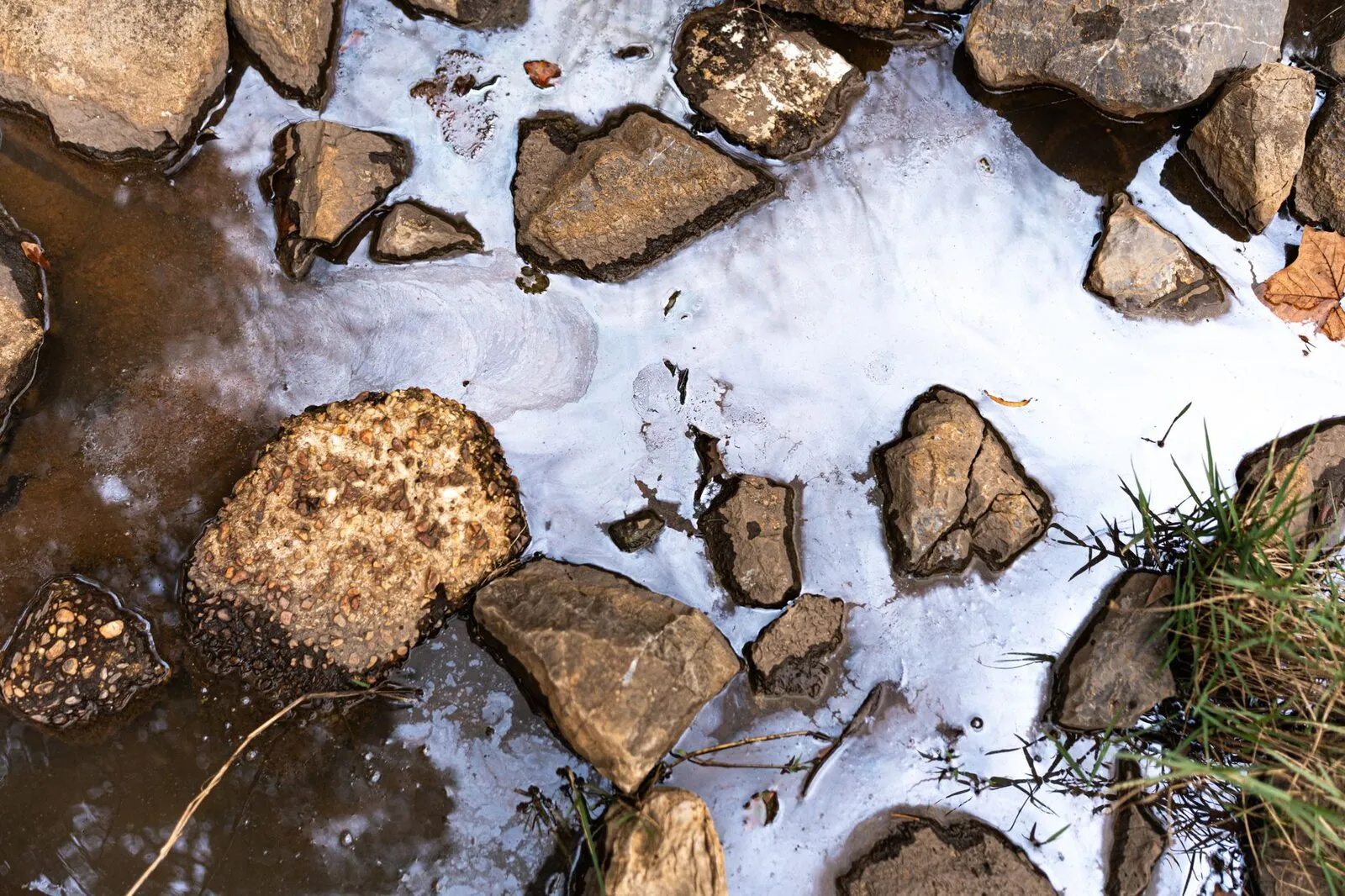
The Pecos River, New Mexico’s lifeline through the southern high plains, has been named one of America’s most endangered rivers twice: in 2024 and again in 2021. This month, a federal rollback made its survival even more unlikely.
In July, the Interior Department quietly redefined what counts as “harm” under the Endangered Species Act, excluding noise and habitat destruction from protections. The same month, the administration stripped endangered species protections and inserted economic cost considerations into who gets saved. For a river already choking on industrial extraction, the timing was a death sentence.
The Pecos River runs 500 miles through New Mexico, starting in mountains east of Santa Fe and flowing south into Texas. It’s water in a desert. But the Permian Basin, a 75,000-square-mile oil and gas extraction zone spanning 55 counties, has turned the river corridor into a sacrifice zone. There are 380 oil and gas wells within a half-mile of the Pecos, plus 11 injection wells that pump wastewater back into the earth.
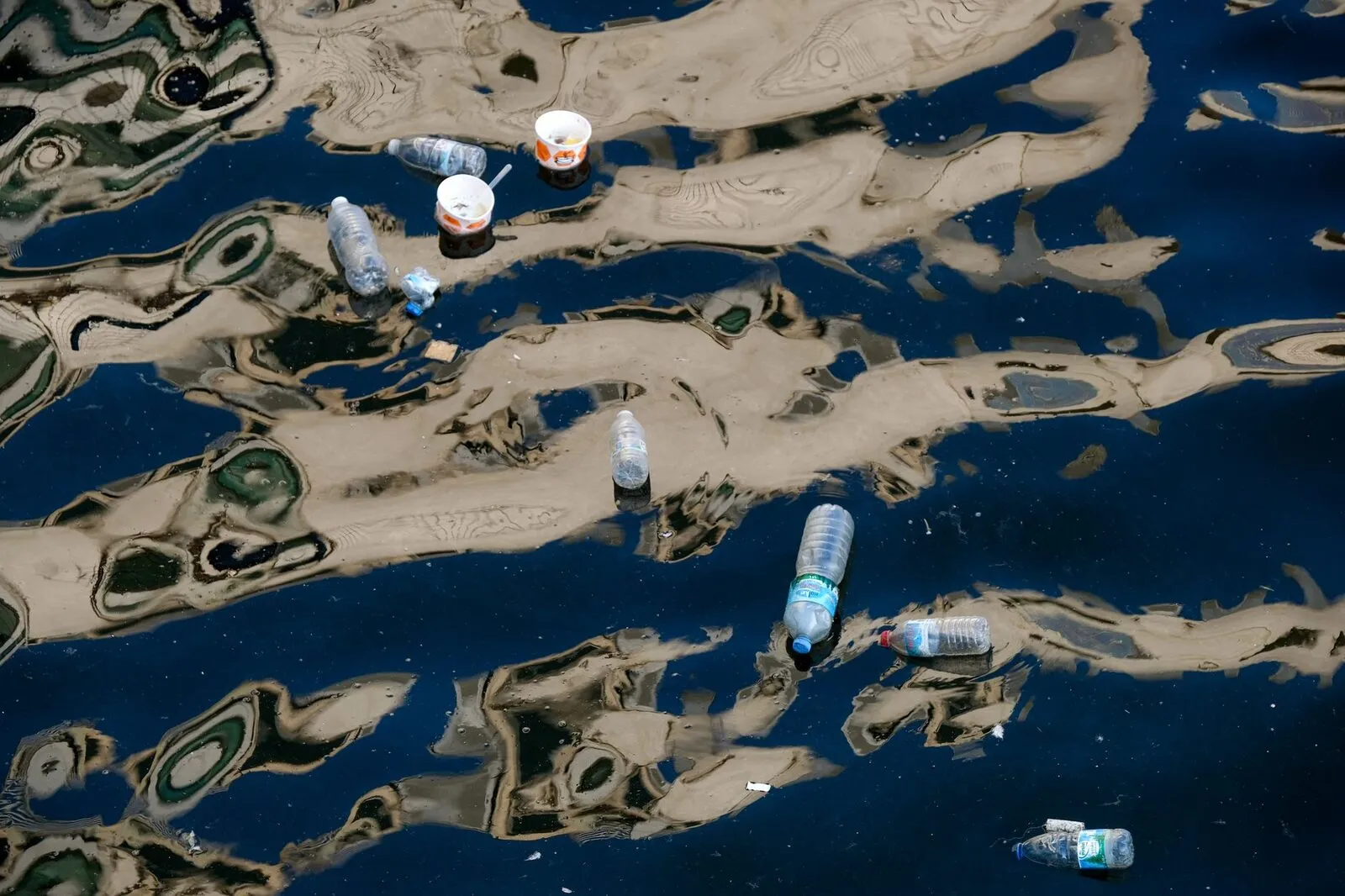
For every barrel of oil the wells pull, the operators generate more than three barrels of produced water: a toxic cocktail of petroleum compounds and chemicals that gets dumped illegally along roadsides or injected so deep it reaches aquifers. Flaring operations burn off methane—a direct violation of New Mexico’s own 2022 ban on near-total flaring, yet it continues.
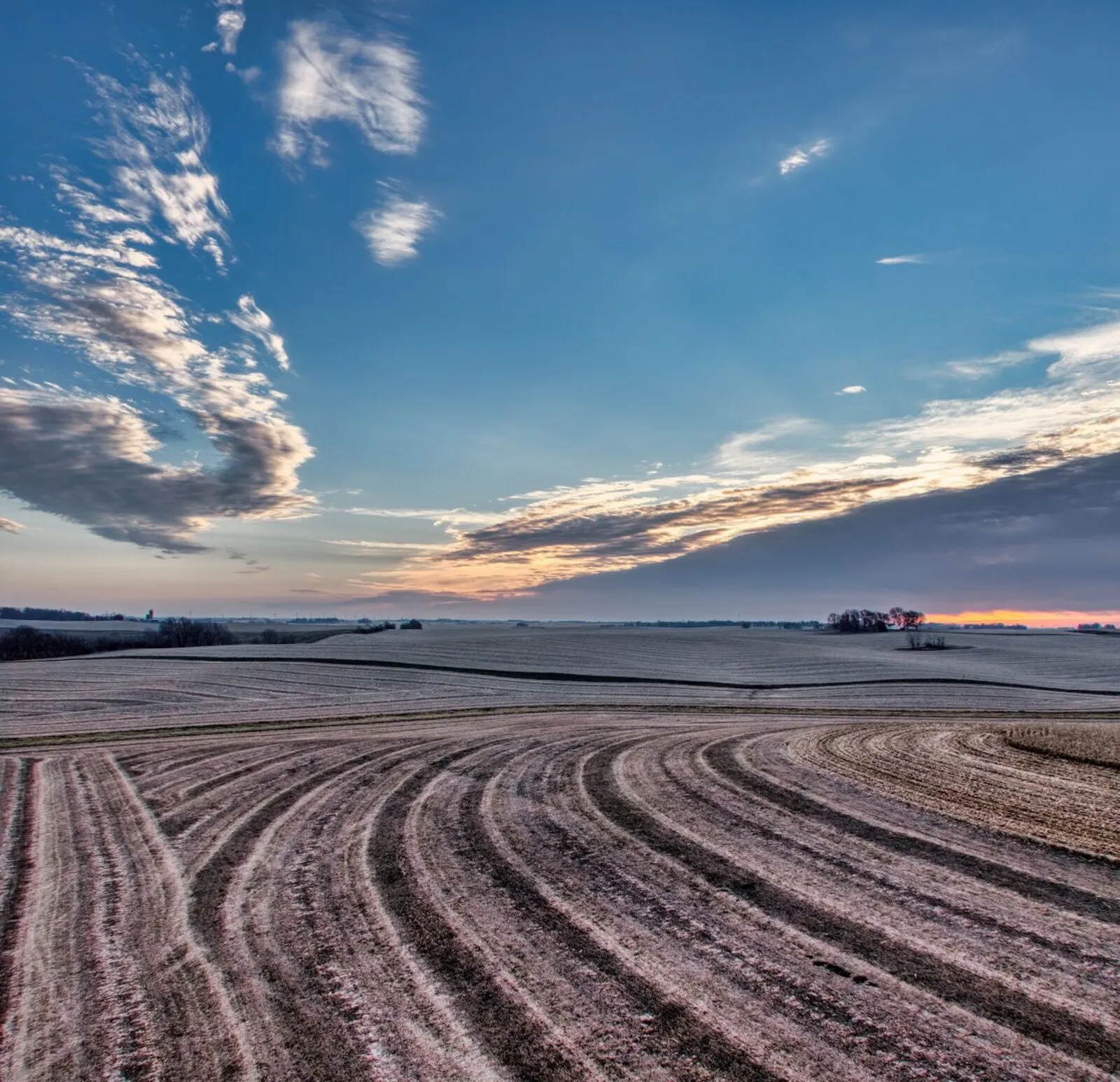
Then came climate. For 40 years, the region’s snowpack has been declining. Projections now show the Pecos losing 25 to 30 percent of its water by 2070 as the West dries further. A river already hemorrhaging to industrial extraction is now shrinking from a warming planet.
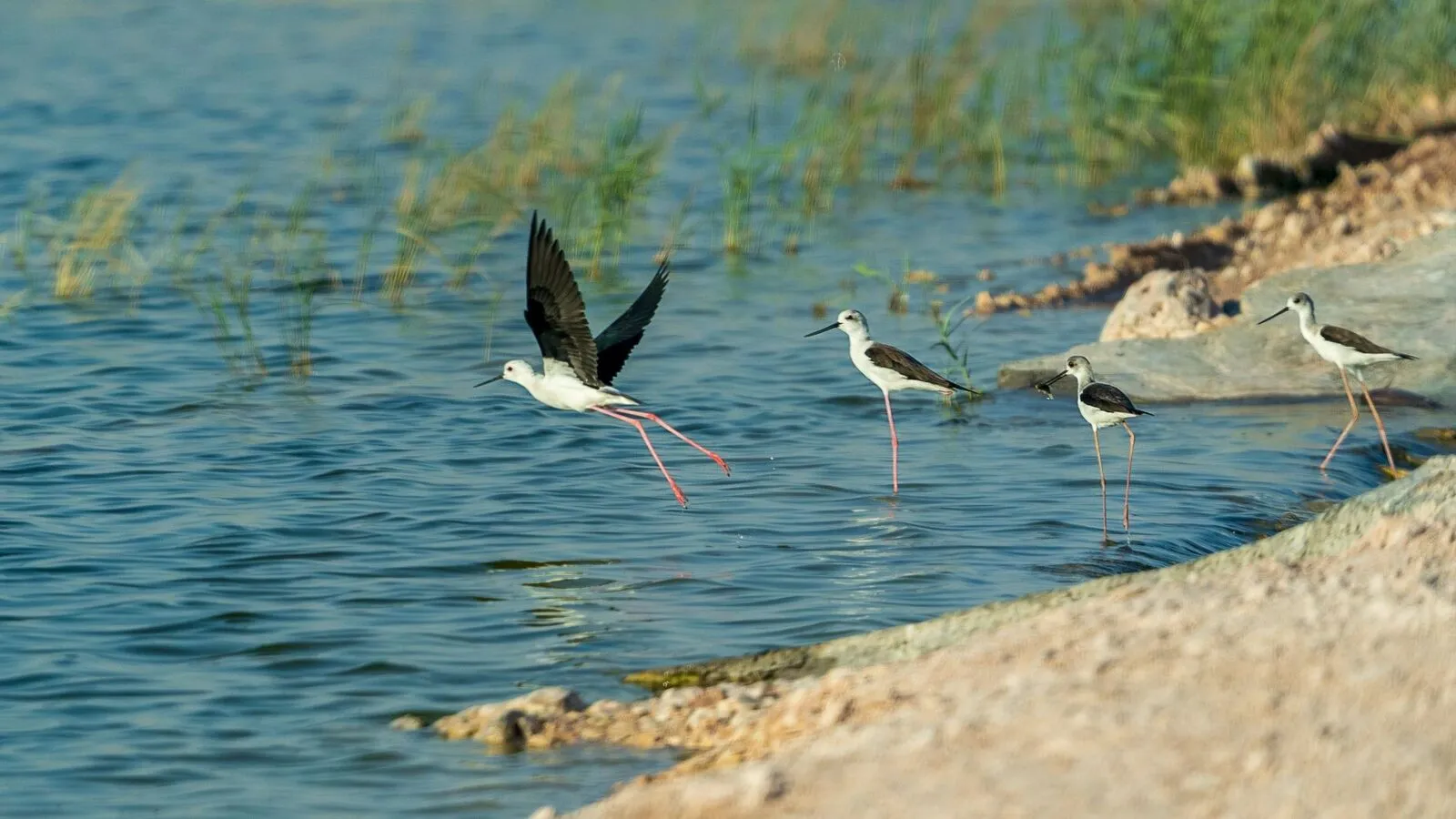
The species that depend on it—the dunes sagebrush lizard, the Texas hornshell mussel, farmland that has grown for centuries—are running out of options. Governor Michelle Lujan Grisham’s administration tried in 2024 to change the rules that allow operators to reuse treated produced water outside oilfields. That effort failed. Now, without deadlines or clear success metrics, the state is pushing a second effort to change the rules, but environmental groups are watching closely. Using treated wastewater from oil extraction as a substitute for river water isn’t conservation—it’s laundering an industrial byproduct as “new supply.”
The Pecos doesn’t fit a simple narrative. This isn’t just Big Oil vs. the environment. Ranchers depend on it. Towns need it. Farmers whose families have worked the valley for generations are watching the river they built their livelihoods around get hollowed out by a combination of choices: regulatory rollbacks, industrial expansion, and a warming climate that’s stealing water nobody can replace.
See also: how oil and gas extraction threatens farm water supplies across the country, the climate impacts already reshaping farm systems, and why farmland sovereignty and water protection go hand in hand.