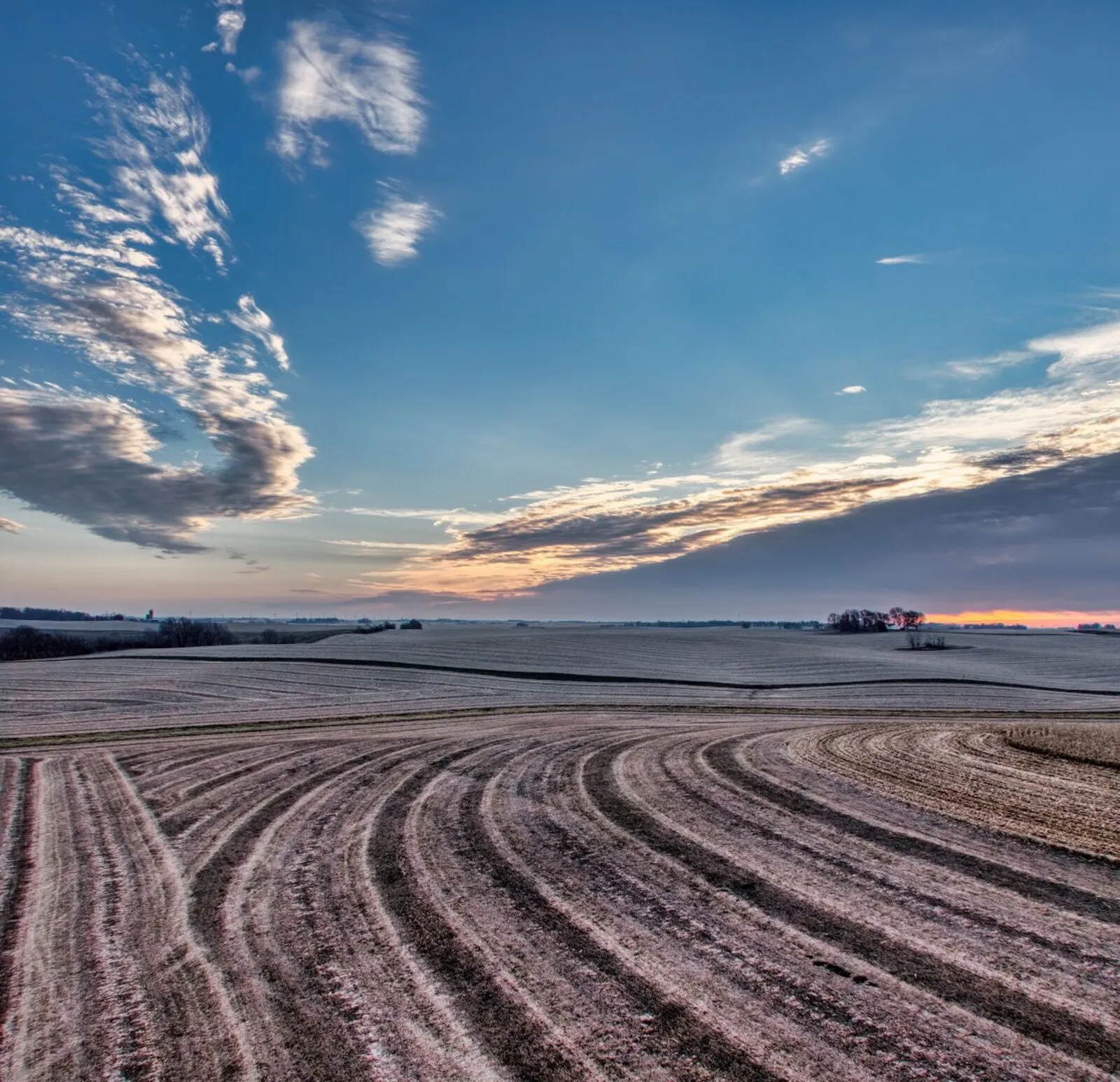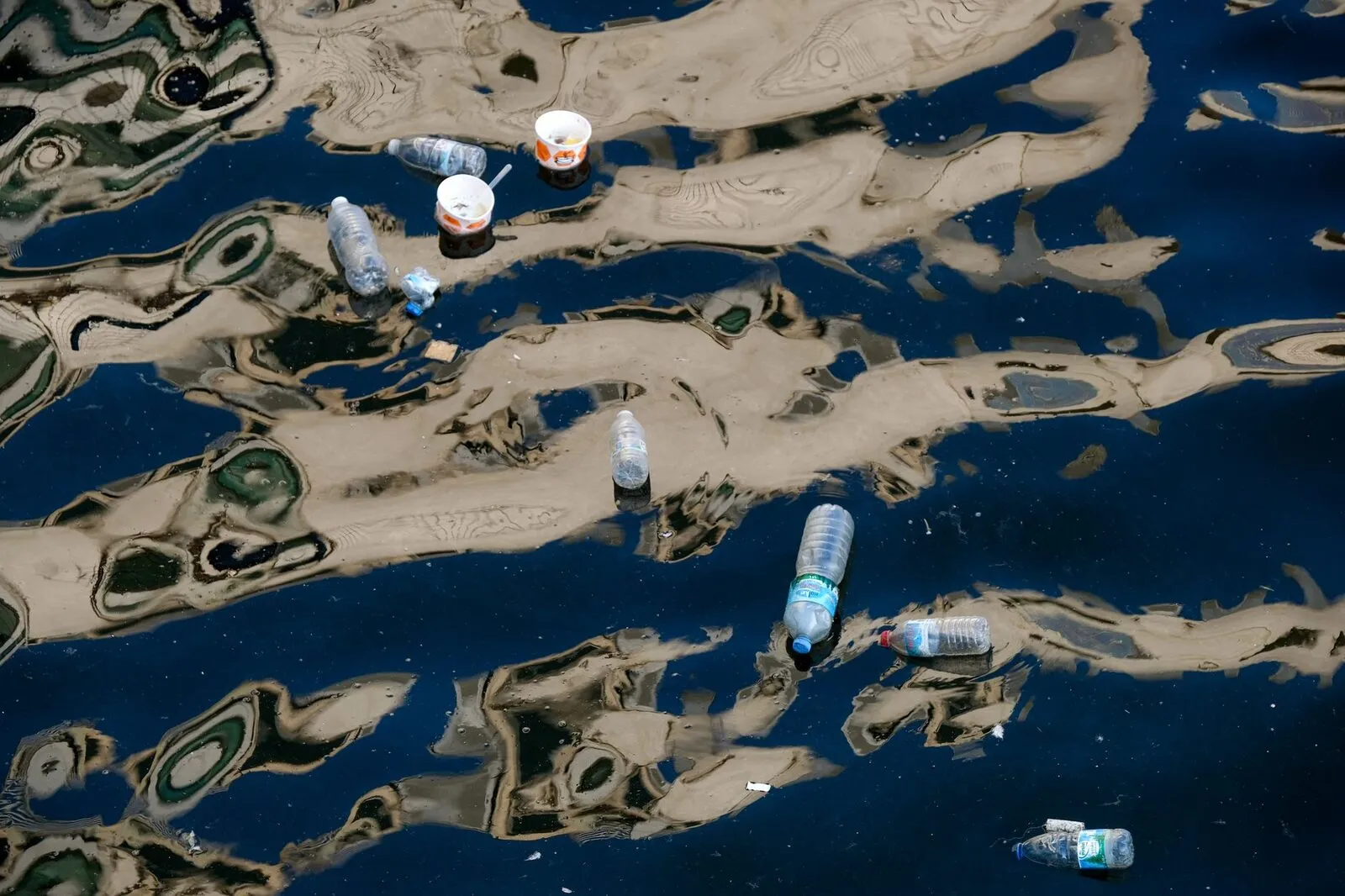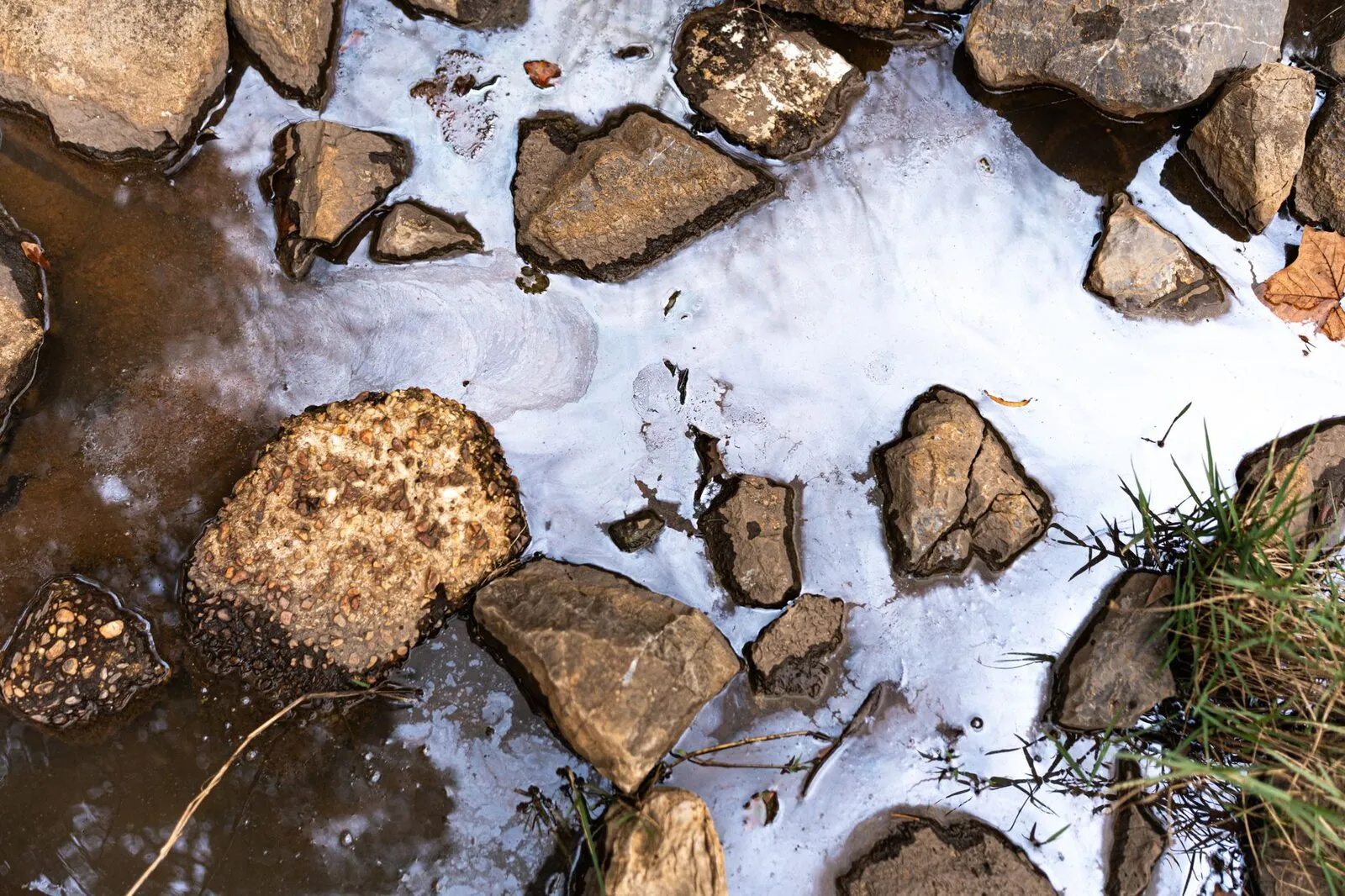
Oil and gas drilling is draining and poisoning water that farmers across the Southwest depend on for survival. A river in New Mexico runs through what locals call “the middle of a hellscape” after oil and gas development fractured the landscape. The story plays out differently in each region, but the damage follows a pattern: wells pump out vast quantities of water, inject it back down laced with chemicals, and leave farmers with less water to irrigate crops.
The numbers are stark. Oil and gas operations in the Permian Basin (straddling Texas and New Mexico) use roughly 3 to 4 billion gallons of water annually, according to U.S. Geological Survey data. In drought-stressed regions where farmers compete for every acre-foot, that volume matters. It comes from the same aquifers and surface sources farmers rely on. In some West Texas oil fields, water use for oil production now rivals agricultural water consumption, the EPA has documented.
The water itself comes back contaminated. Hydraulic fracturing and wastewater injection push PFAS chemicals, salt, and radioactive compounds into groundwater, sometimes reaching farm wells. New Mexico has reported elevated PFAS levels in groundwater near drilling operations. Colorado and Wyoming have documented similar contamination. For farmers, a poisoned well can mean abandoning a field, losing years of soil investment, or drilling deeper at crushing cost.
The industry argues it’s balancing water use efficiently. But efficiency from an oil company’s perspective looks different from a farmer’s. The New Mexico Oil Conservation Commission approved permits for new wells even after drought crises reduced surface water availability. Colorado has tied up aquifer rights in oil leases. The permitting systems still treat water as a commodity oil companies can purchase or allocate, often with priority over agriculture or drinking water systems.
Farmers who’ve been in one place for generations face a collapse of the resource their business is built on. Some sell mineral rights they didn’t know they had, hoping the money offsets future water loss. Others fight drilling permits and contamination lawsuits, burning savings. The Rio Grande valley farmers in New Mexico have sued over water theft and contamination. It’s a fight David picks with an industry that has state backing.
Federal policy hasn’t caught up. The Energy Policy Act of 2005 exempted oil and gas operations from the Safe Drinking Water Act’s underground injection controls, a carve-out the industry lobbied hard for. The EPA has no authority to regulate most of what goes into the ground under drilling operations. Individual states set their own rules. Some have strict aquifer protections. Others are friendlier to drilling.
The climate angle sharpens the crisis. The West is drier than it’s been in 1,200 years. Drought is reducing water availability for the next generation of farmers, USDA research shows. At the same time, oil companies are drawing more water to extract harder-to-reach reserves. Young farmers trying to start operations in regions with drilling activity face a choice between water they can afford and water they can rely on.
The answer isn’t obvious from Washington. It requires states to rewrite water law to treat agriculture differently from extraction. It requires federal regulators to reclaim authority over injection wells. It requires oil companies to source water differently if they’re going to operate in farm country. None of that is happening fast.
In the meantime, farmers watch their groundwater drop and their wells come back contaminated. The river in New Mexico that runs through a hellscape is a warning: once the water is gone or poisoned, no amount of lobbying or litigation gets it back.
Related coverage: