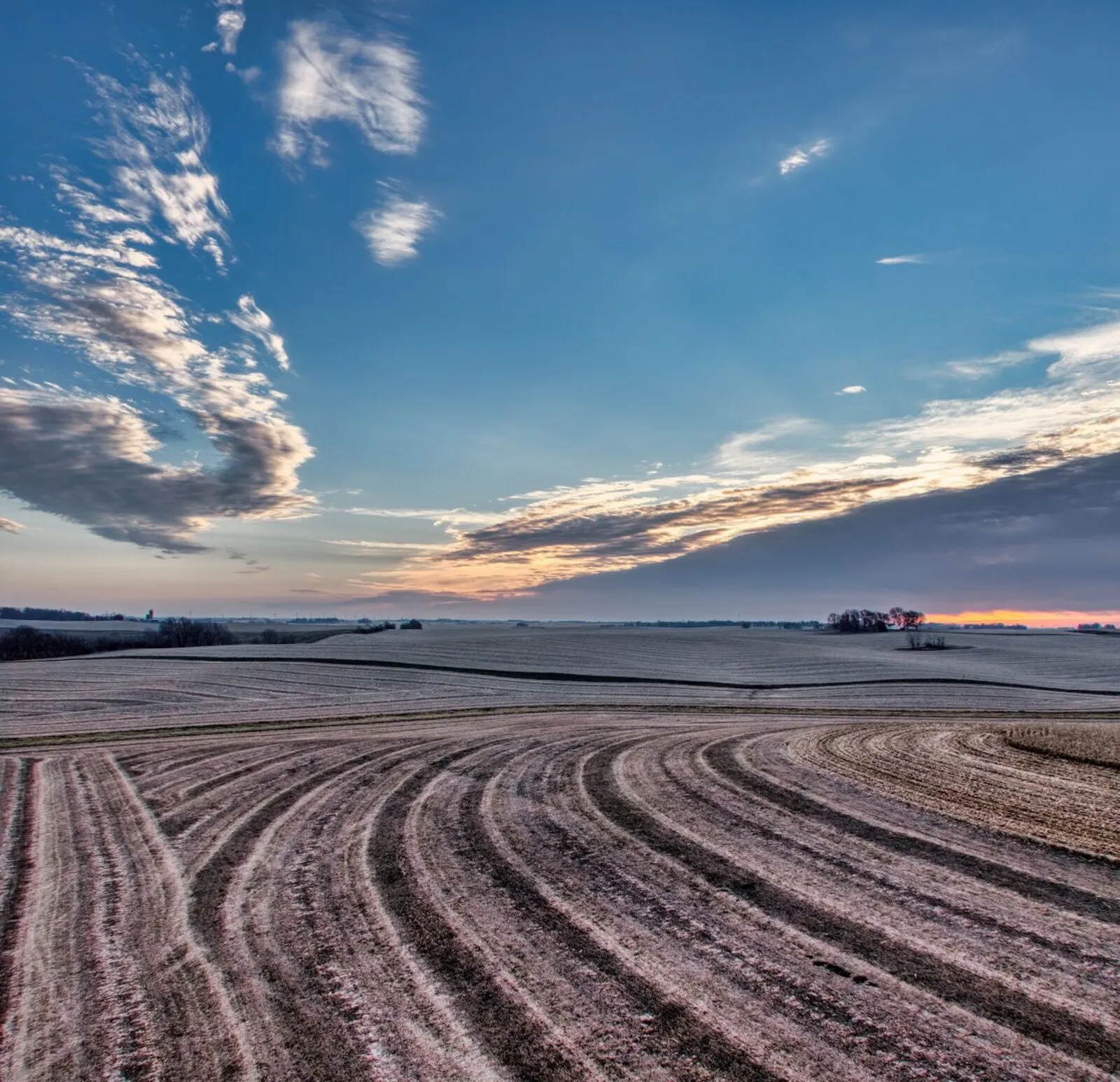
Minnesota’s autumns are staying warm longer. According to Farm Progress climate observations, November temperatures across Minnesota have skyrocketed over the past 35 years, with 21 warmer-than-normal months recorded since 1991. That’s a relentless pattern shattering records and upending the assumptions that built the region’s agricultural infrastructure.
The warming isn’t marginal. The data shows November, the month that traditionally bridges autumn and winter, breaking records at an accelerating pace. For farmers who’ve spent generations learning to read the season, to plan operations around frost dates and soil hardening, this steady creep matters. It’s not dramatic in any single year. Over three decades, it’s a slow-motion collapse of the calendar they depend on.
November is a critical operational hinge. When it stays warm, harvest completion stretches longer. Tile drainage systems that should be freezing stay active. Soil compaction risk extends later. The operational windows farmers have planned around for generations start to shift. Fields stay workable when they should be locked in dormancy.
The climate shift upends pest and disease cycles. More days above freezing mean insects that normally die off survive to spring. Fungal diseases get extra growing season. For a state that built its livestock advantage on cool-season climate, warmer autumns mean earlier pest pressure on animals bred for cold months.
The core problem: Minnesota’s farm infrastructure was engineered for a climate that no longer exists. Tile drainage designs, crop varieties, livestock housing, equipment specs. All of it assumed November would arrive on schedule. When that assumption breaks, the whole system has to adapt.
For young and beginning farmers, this adds to an already fractured economics picture. As fertilizer and input costs squeeze farmers across the Midwest, the added cost of adapting infrastructure to longer, warmer autumns falls hardest on operations with thin margins. Climate instability compounds what farmers already struggle to manage with fertilizer costs. Older farmers have capital and deep knowledge to make shifts. Newcomers trying to break in against rising costs and consolidation have no buffer.
The warming intersects with conservation work too. The Walmart Foundation gave $9 million to launch the Great Plains Grassland Fund to keep working lands intact, but longer growing seasons and warmer winters alter what those lands sustain. Perennial grasses behave differently. Soil carbon cycles shift. Native species adapted to Minnesota’s old climate have to recalibrate. Meanwhile, water pollution from agricultural runoff compounds climate stress. Iowa’s battle with the EPA over water pollution shows how long-term environmental damage interacts with warming weather patterns.
The deeper question now is whether farm policy and ag research can move fast enough to address what the climate data already shows. Minnesota’s warming Novembers aren’t a future problem. They’re a 35-year-old pattern that’s still accelerating. The next generation of farmers is inheriting a system built for conditions that have already changed.