The Math on Banning Glyphosate
A new study out of Illinois offers hard numbers on what happens when you remove the herbicide that’s become woven into modern crop production. Research showing an Illinois glyphosate ban would cost the state’s farmers $300 million to $609 million each year reveals a stark choice: the chemical that controls weeds or the dollars that stay in farmers’ pockets.
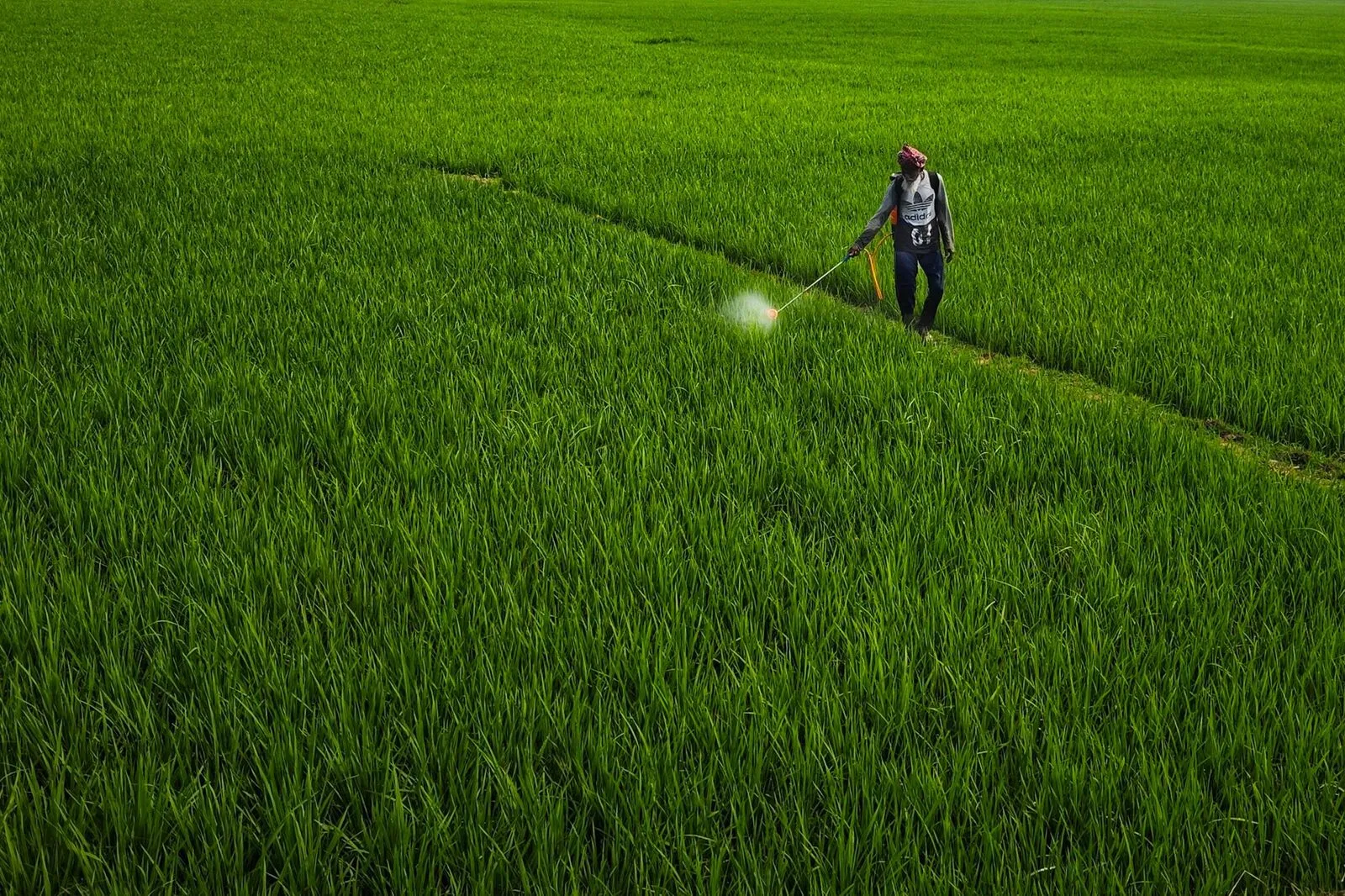
Glyphosate—the active ingredient in Roundup and dozens of generic formulations—is the most widely used herbicide in U.S. agriculture. It’s cheap, effective, and has been the backbone of weed management in corn and soybean systems since the 1990s. Remove it, and farmers don’t just lose a tool. They lose economic efficiency on an industrial scale.
What the Ban Would Cost
The Illinois analysis models three scenarios. On the conservative end, a statewide glyphosate ban would cost growers $300 million annually. On the high end, $609 million. That’s not a rounding error—it’s the difference between staying solvent and tapping into debt.
Farms would shoulder costs across multiple fronts. Managing weeds without glyphosate means heavier reliance on mechanical cultivation, which demands extra passes over fields, more fuel, more labor, and accelerated equipment wear. They’d also be forced to rotate herbicides more aggressively to combat resistance—layering on additional chemical costs and complexity. Some growers would turn to earlier-season tillage, which erodes soil structure and increases runoff of nutrients and pesticides into waterways.
The Regenerative Middle Ground
The catch is that regenerative farming systems—cover crops, diverse rotations, reduced tillage—can minimize glyphosate dependence without the economic hammer blow. Regenerative agriculture solutions are gaining traction, including bee-friendly practices that reduce pesticide pressure. And conservation funding threatens to dry up even as more farmers want to transition, making the cost-to-switch even steeper in the near term.
The research doesn’t conclude that glyphosate bans are impossible—just that they carry a brutally high price tag if implemented without a transition pathway. For farmers already squeezed by debt and commodity prices, that’s the difference between survival and collapse. And that calculus is why a chemical approved nearly 50 years ago still dominates the fields of the Corn Belt, even as questions mount about its water contamination and long-term soil health implications.
The real question isn’t whether Illinois can ban glyphosate. It’s whether policymakers are willing to fund the transition—or whether farmers will bear the full weight of that bill alone.