Illinois collected $9.06 million from pesticide registration fees in fiscal year 2025—money explicitly meant to fund enforcement and education programs for pesticide applicator oversight. But according to state spending records reviewed by Investigate Midwest, much of that revenue has been redirected to broader state operations rather than the pesticide programs it was supposed to support.
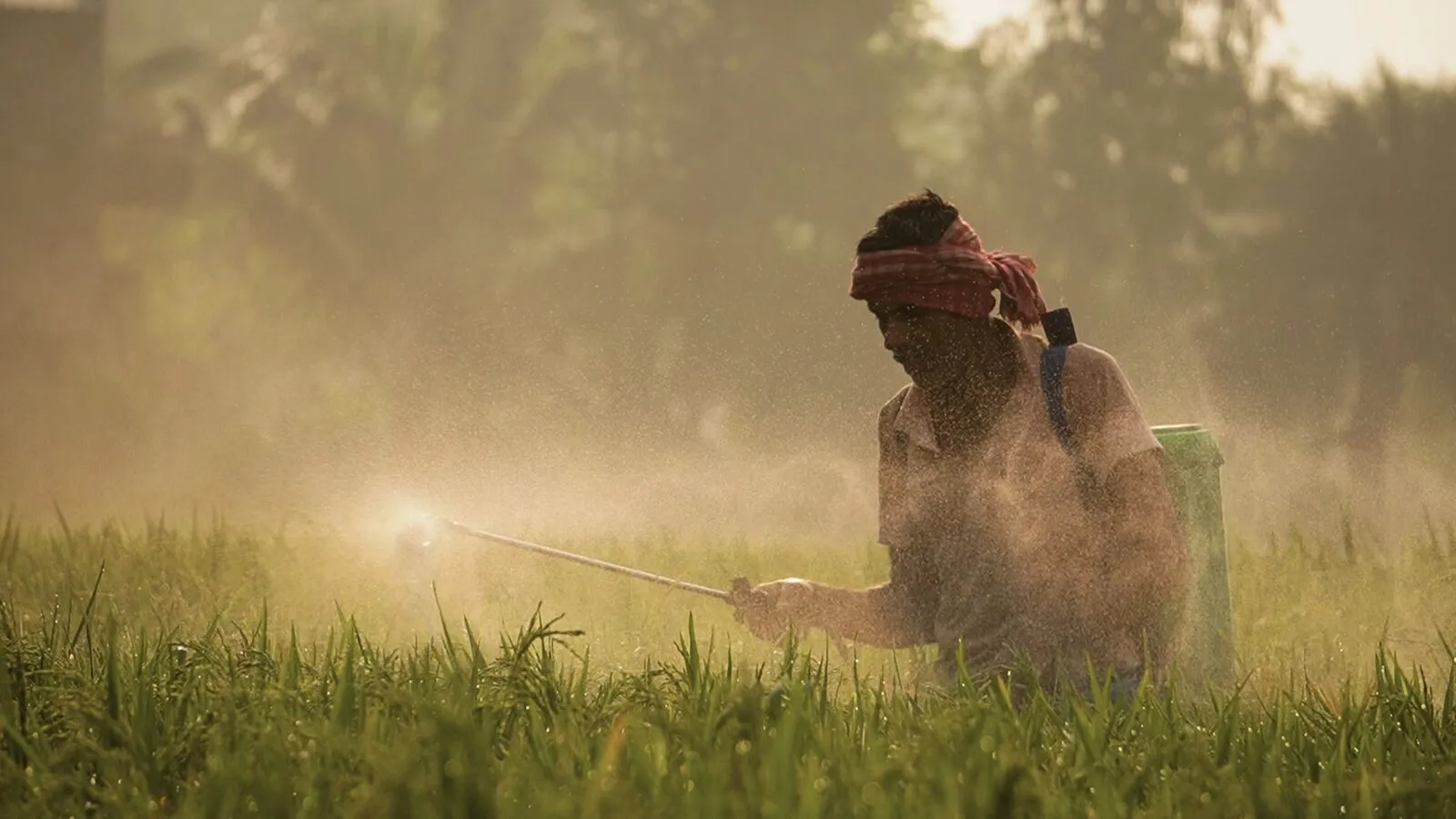
The gap matters because oversight is already thin. Pesticide applicators—the people who handle and apply these chemicals across Illinois farmland—operate under a licensing and inspection regime that depends on having adequate budget for education, testing, and field compliance checks. When California passed landmark legislation to restrict PFAS-containing pesticides this month, it signaled growing concern about the long-term health and environmental effects of chemicals still widely in use. Illinois’ inability to properly fund its own oversight program weakens the state’s ability to catch unlicensed applicators, track misuse, or educate operators on safer application practices.
The diversion is a classic infrastructure squeeze: a dedicated revenue stream exists on paper, but the money gets pulled into general operations to cover budget shortfalls elsewhere. The state collects the fees. The fees go into the general fund. The pesticide program gets a lower allocation than it was supposed to, and field inspectors, compliance officers, and educational outreach all get smaller budgets than the fee structure promised.
This leaves pesticide applicators less accountable and farmers—who often hire licensed applicators—with weaker guarantees that the people spraying their land meet current safety standards. It also weakens the state’s ability to respond quickly if an outbreak of contamination or misapplication occurs.
PFAS contamination has been a growing concern across agricultural regions, particularly in water-heavy areas where spray drift and runoff carry chemicals into groundwater and drinking supplies. Without adequate oversight budget, Illinois can’t easily track patterns of misuse or guide applicators toward safer alternatives.
The Investigate Midwest reporting shows the problem is systemic: a fee-funded program that sounds independent on paper but is structurally vulnerable to general fund raids. As long as the state needs revenue, dedicated fees are tempting targets—and the pesticide program, being less visible than schools or transportation, loses out.
The solution would be to genuinely protect the pesticide fee revenue, either by moving it into a restricted fund with mandatory spending rules or by increasing overall state budget for environmental oversight so the program doesn’t compete against schools and roads. Until that happens, registrations fees that farmers pay will continue to flow where the state needs the money—not where it was supposed to go.
For Illinois applicators and the farms they work, that means a licensing system that looks stronger on the books than it actually is.