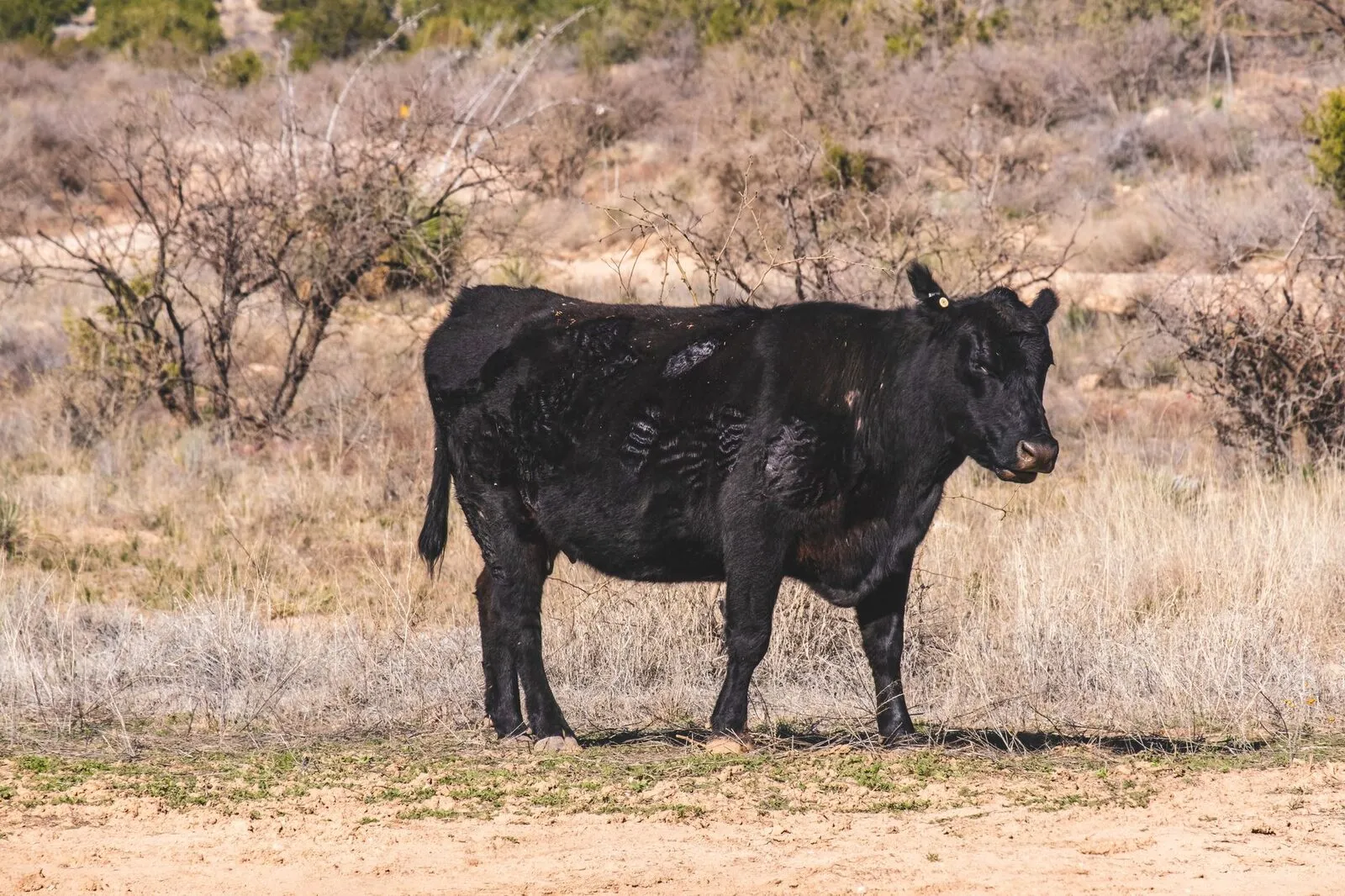
Extended heat and drought conditions are crushing cattle operations nationwide, with pasture quality declining across major production regions and producers scrambling to manage recovery efforts. The combination is forcing costly decisions: haul in feed, move cattle to greener pastures hundreds of miles away, or sell at depressed prices to cut losses.
For family ranchers already squeezed by debt and input costs, summer 2026 is shaping into a perfect economic storm. High temperatures stress cattle—reducing feed intake, milk production, and weight gain—while drought withers the pasture base that’s supposed to feed them cheaply. When forage fails, ranchers resort to purchased hay and grain, costs that evaporate any margin at commodity prices.
The scale of the pressure is nationwide. Ranchers in drought-stricken regions are reporting poor pasture conditions heading into fall, the critical restocking season. Typically, late summer is when grass regrows and pastures recover from spring grazing. This year, that recovery isn’t happening. Heat isn’t just killing grass—it’s breaking the biological rhythm that beef systems depend on.
The stakes are highest for family-scale operations, which typically have thinner margins and less access to supplemental irrigation or alternative pasture. Large-scale industrial feedlots can pump calories in from commodity corn, absorbing short-term feed shortages. A mid-sized ranch depends on rotating cattle between pastures and managing forage strategically. When the forage disappears, that strategy fails.
This pressure compounds existing debt loads. American farmers are carrying historic levels of debt, and cattle operations are no exception. A summer where drought forces $10,000 or $20,000 in unexpected feed purchases can tip a marginally profitable operation into loss. Some ranchers will have to sell breeding stock early—capital they’ve built over years—just to survive the season.
Climate instability is also driving disease and pest pressure. Warmer winters and shifting seasonal patterns are expanding tick ranges, and ticks carry diseases that stress cattle further. Heat-stressed animals have weakened immune systems, making them more vulnerable to illness in an environment where disease vectors are expanding their range.
Beef producers report that recovery from this summer’s conditions could take years. Rebuilding pasture after severe drought, restocking breeding herds after forced sales, and managing debt accumulated through the crisis season—it’s generational pressure on an industry already teetering. The big meatpackers, by contrast, are tightening consolidation and cutting capacity, leaving fewer outlets for producers who do make it through.
This isn’t an anomaly. Rising temperatures and more erratic rainfall are the climate forecast for American agriculture. Cattle systems optimized for the 20th-century weather pattern—predictable seasons, reliable pasture recovery—are increasingly incompatible with 21st-century conditions. Family ranchers adapting today will need access to credit, crop insurance that actually covers climate impacts, and enough time and land to experiment with regenerative grazing and drought-tolerant forages. Instead, they’re getting squeezed by consolidated buyers, rising interest rates, and land prices that make expansion impossible. The heat is just the latest way that system fails them.