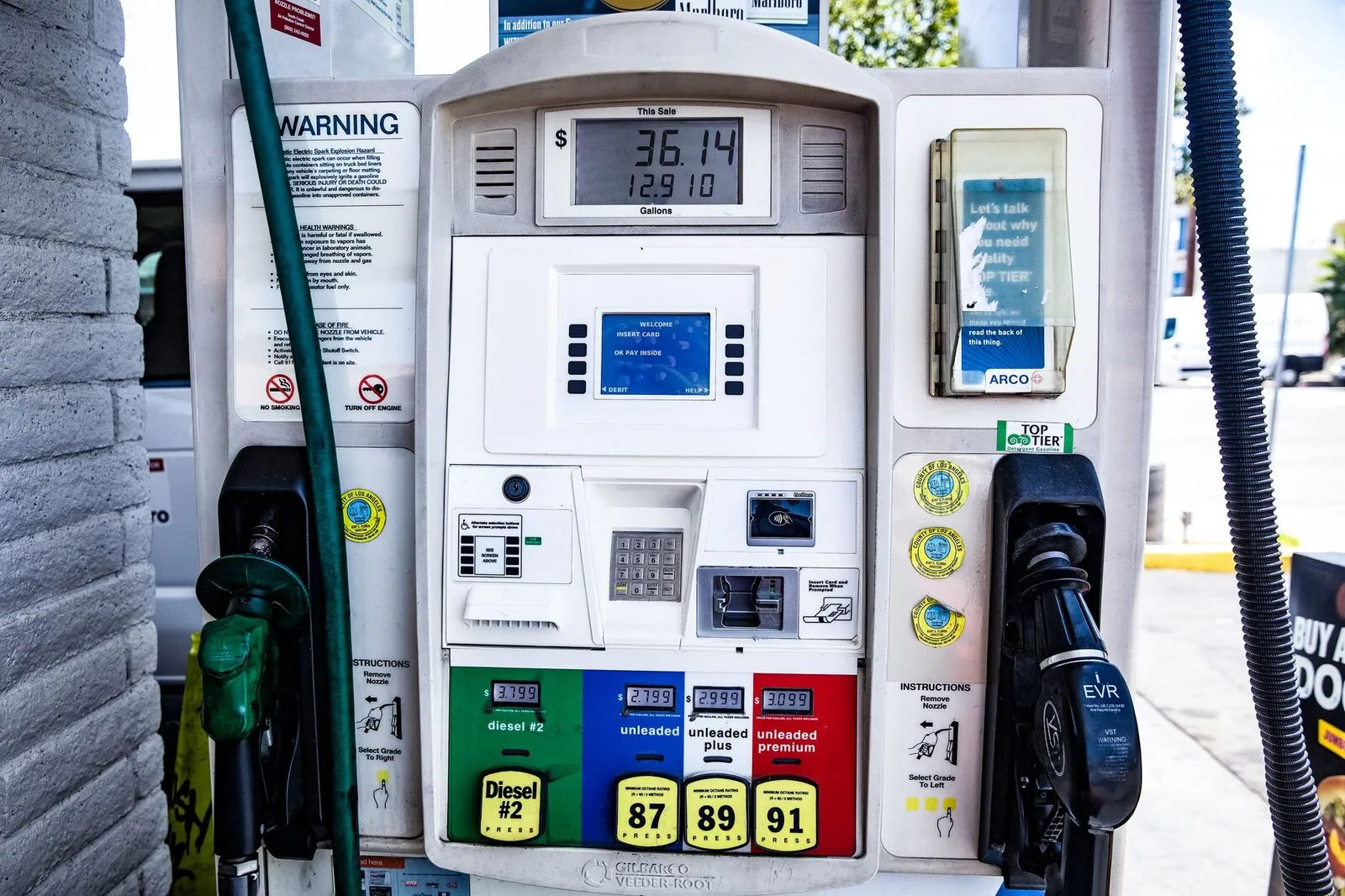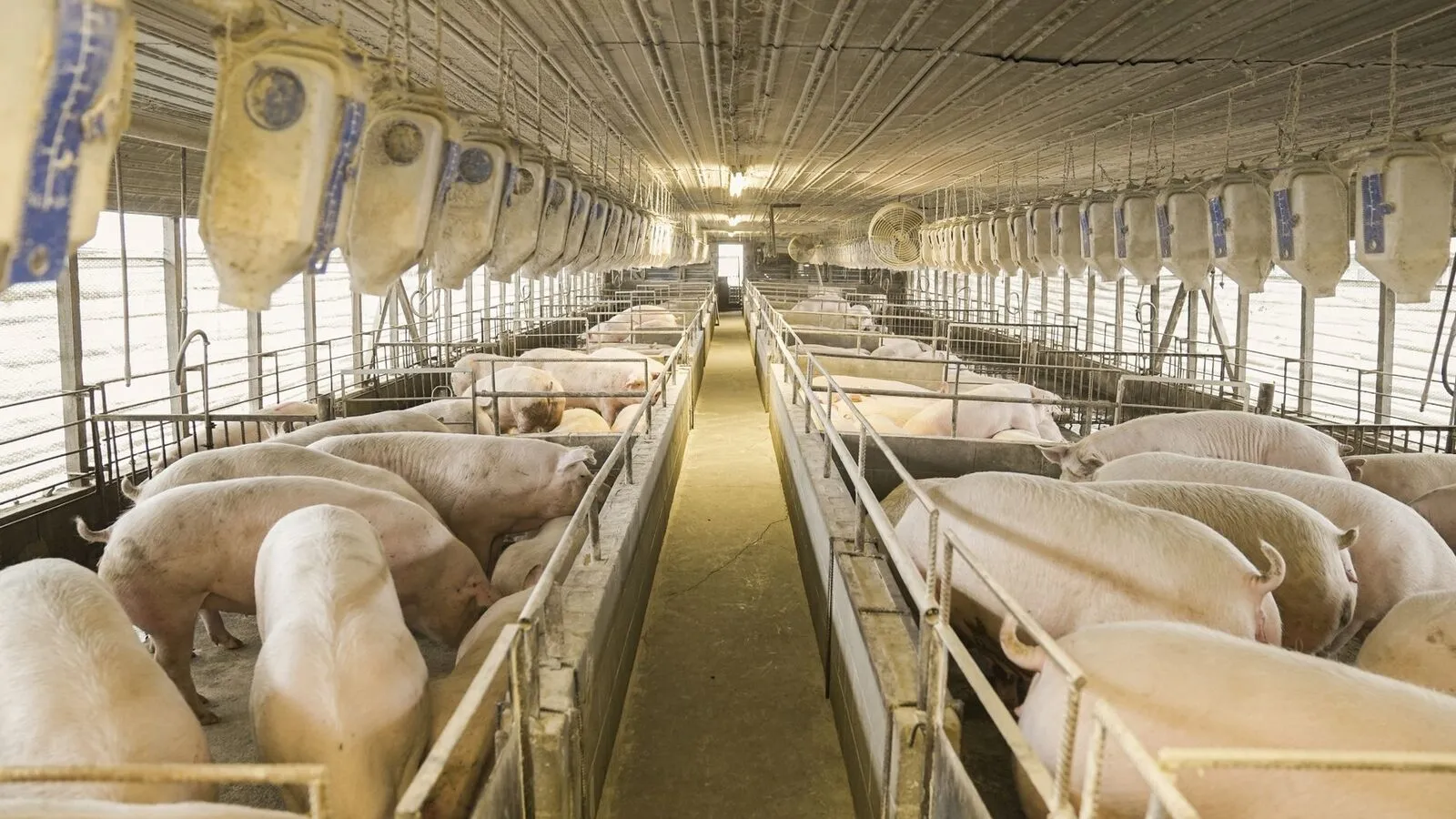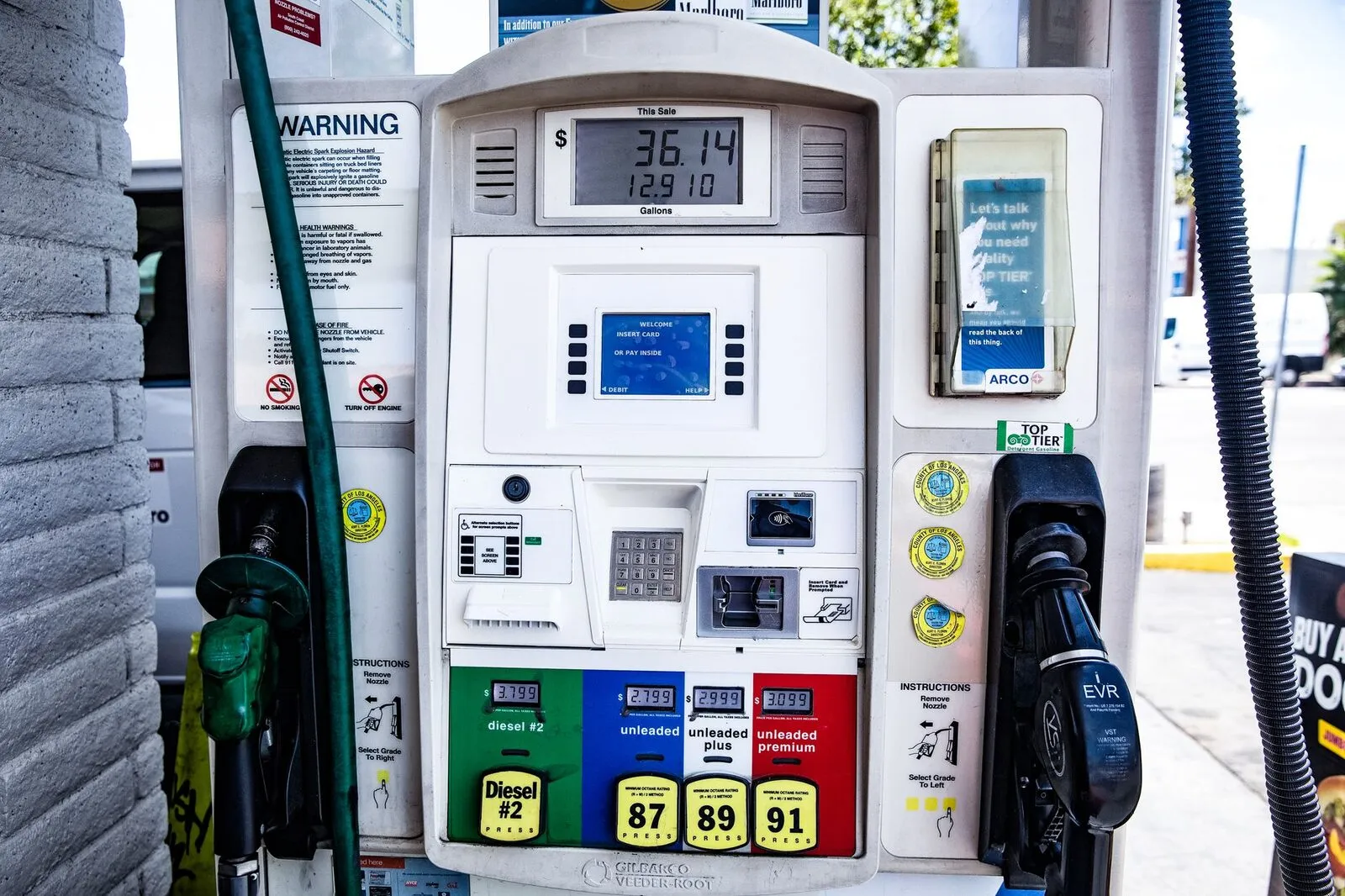
Illinois farmers are bearing the brunt of a fuel crisis that’s reshaping the economics of American agriculture. Between 2025 and 2026, diesel costs for planting corn, soybeans, wheat, cotton and rice jumped 63.2% nationwide, translating to an estimated $1.4 billion in additional spending across U.S. farming operations. Illinois saw the steepest climb—the nation’s biggest state-by-state increase.
The spike reflects broader pressure on farm profitability. According to a July analysis released by the congressional Joint Economic Committee Minority, the surge pushed input costs even higher at a moment when farmers were already struggling with tighter margins and mounting debt.
This timing is brutal. Planting season is when fuel consumption peaks—tractors run dawn to dusk, pivots spin through the night, and equipment burns through thousands of gallons. A 63% cost increase hits during the year’s most cash-intensive window, precisely when farmers need to spend to plant the crop that will (they hope) pay the bills.
Diesel price spikes are not new pressure on agriculture. But the scale matters. A $1.4 billion hit across one growing season forces hard choices: skip soil amendments, reduce cover crops, compress harvest windows by running equipment longer and risking breakdowns, or pile borrowed money onto the debt stack. For farms already leveraged to the hilt, another $1.4 billion of collective spending they didn’t budget for can be the tipping point toward restructuring or sale.
Illinois, the nation’s second-largest corn producer, felt the shock harder than most. Higher input costs erode the razor-thin profit margins that small and mid-size operations depend on. In years past, commodity prices might have climbed to offset the cost. But grain rally sentiment in July remained tempered by input worries, with nearly half of all producers still citing input costs as their top concern.
The diesel surge is also a global supply reminder. Energy prices are set at auction, and farm fuel doesn’t get a discount. Conflicts in the Middle East, refinery outages, and OPEC production decisions ripple straight into the fuel tank of an Illinois farmer.
What to watch
USDA input-cost data through the end of August will show whether diesel prices have stabilized or continued climbing. Farmers are watching global energy markets closely, and any new supply disruptions could force more operational cuts. Meanwhile, crop insurance payouts and whether emergency farm programs expand could matter more than commodity prices to farms facing the math of a 63% diesel increase.
Related coverage: Farm debt and Chapter 12 bankruptcies climb as input costs soar, Grain rally lifts sentiment, but input worries linger, and USDA reorganization threatens rural programs.