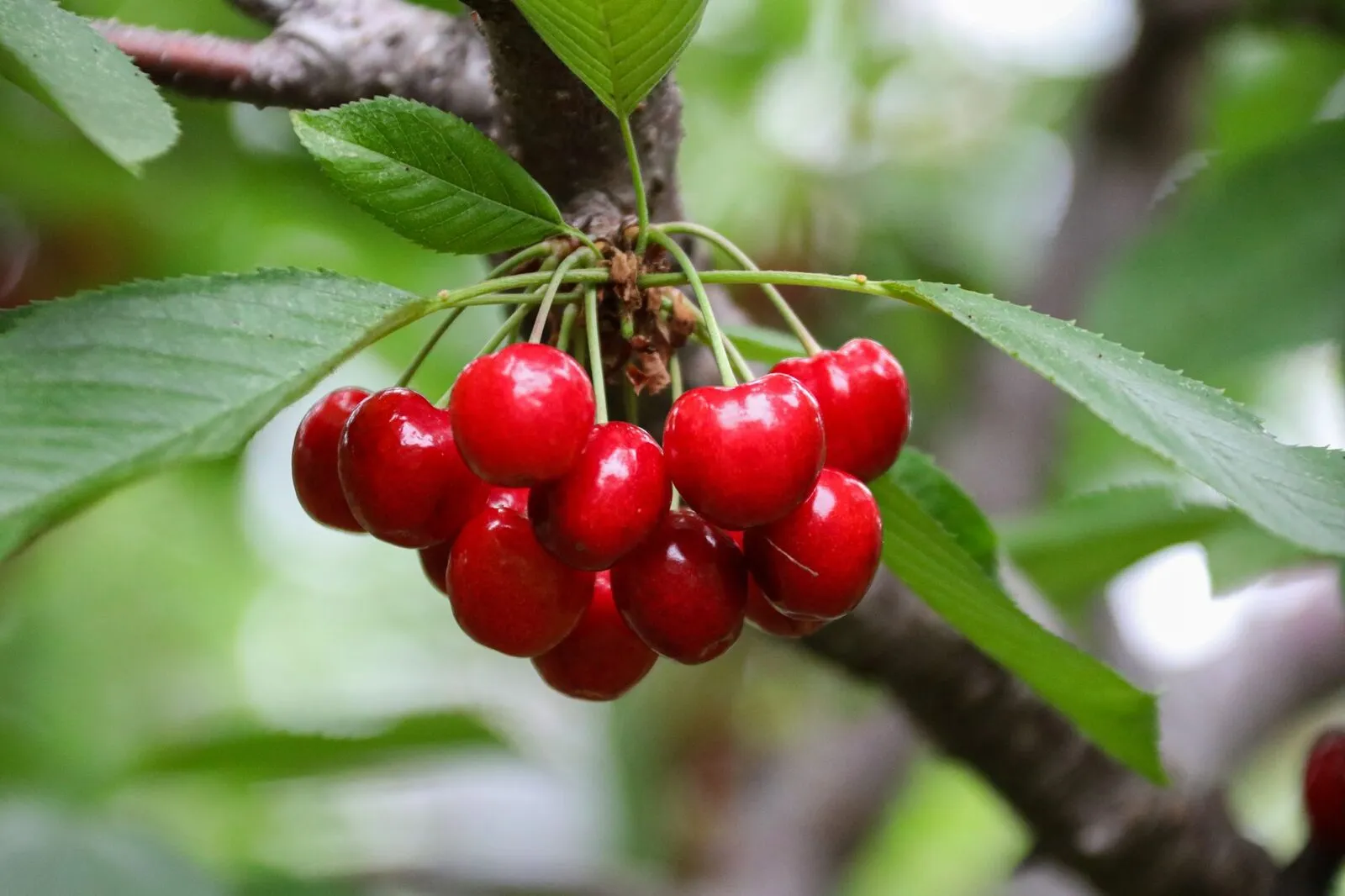
Traverse City, Michigan, the self-proclaimed “Cherry Capital of the World,” is facing an existential question: can it still be the cherry capital if the cherries won’t grow?
This year, as the town of 15,000 hosted its annual cherry festival—a weeklong celebration anchored by cherry pancakes, cherry pie, and cherry-flavored everything—the region’s 250-family cherry farming economy was quietly collapsing. Late spring frosts, erratic rainfall, and heat waves during critical growing windows have carved up the harvest and reshaped the math of cherry farming into something unsustainable.
The Climate Cascade
Cherry trees are finicky. They need winter chill—deep, prolonged cold—to break dormancy and set buds. They need spring frost windows to pass without killing those buds. And they need steady water through ripening. Climate change has weaponized every one of those requirements.
Warming winters mean inconsistent dormancy. Earlier springs mean late frosts hit swollen buds instead of sleeping ones, killing the year’s fruit before it’s even flowered. The U.S. is seeing fruit crop losses accelerate across temperature-sensitive regions, from apples in upstate New York to stone fruits in California, but cherry country—a narrow climate band in northern Michigan, Door County, Wisconsin, and pockets of the Pacific Northwest—has no backup plan.
Water stress compounds the damage. Cherries root shallow; they depend on summer rainfall. Drought years force growers to irrigate, a cost that eats margins whole when the harvest is already halved. Water availability in the Great Lakes region is becoming less predictable, and agricultural water rights in the region are increasingly contested against municipal and environmental claims.
What Stays vs. What Leaves
Consolidation is already reshaping the cherry industry. Smaller family operations—the kind that built Traverse City—can’t absorb a season of frost damage without credit stress. Larger orchards with diversified crops, professional irrigation systems, and capital reserves can weather volatility. That math pushes acquisition.
Meanwhile, younger growers are rational: the economics of specialty fruit farming have been deteriorating for a decade, and climate volatility only accelerates the timeline. Why stake a career on cherries when a bad frost wipes out your year?
The festival will go on—tourism dollars are stable, cherry pie sells regardless. But the cherry harvest that makes the festival real is being automated, consolidated, or abandoned. That’s the quiet agricultural story the festival crowds don’t see: a regional identity colliding with climate reality, and losing.
For growers adapting to climate stress, regional extension services and conservation programs offer some pathways—but funding for those programs is increasingly uncertain.