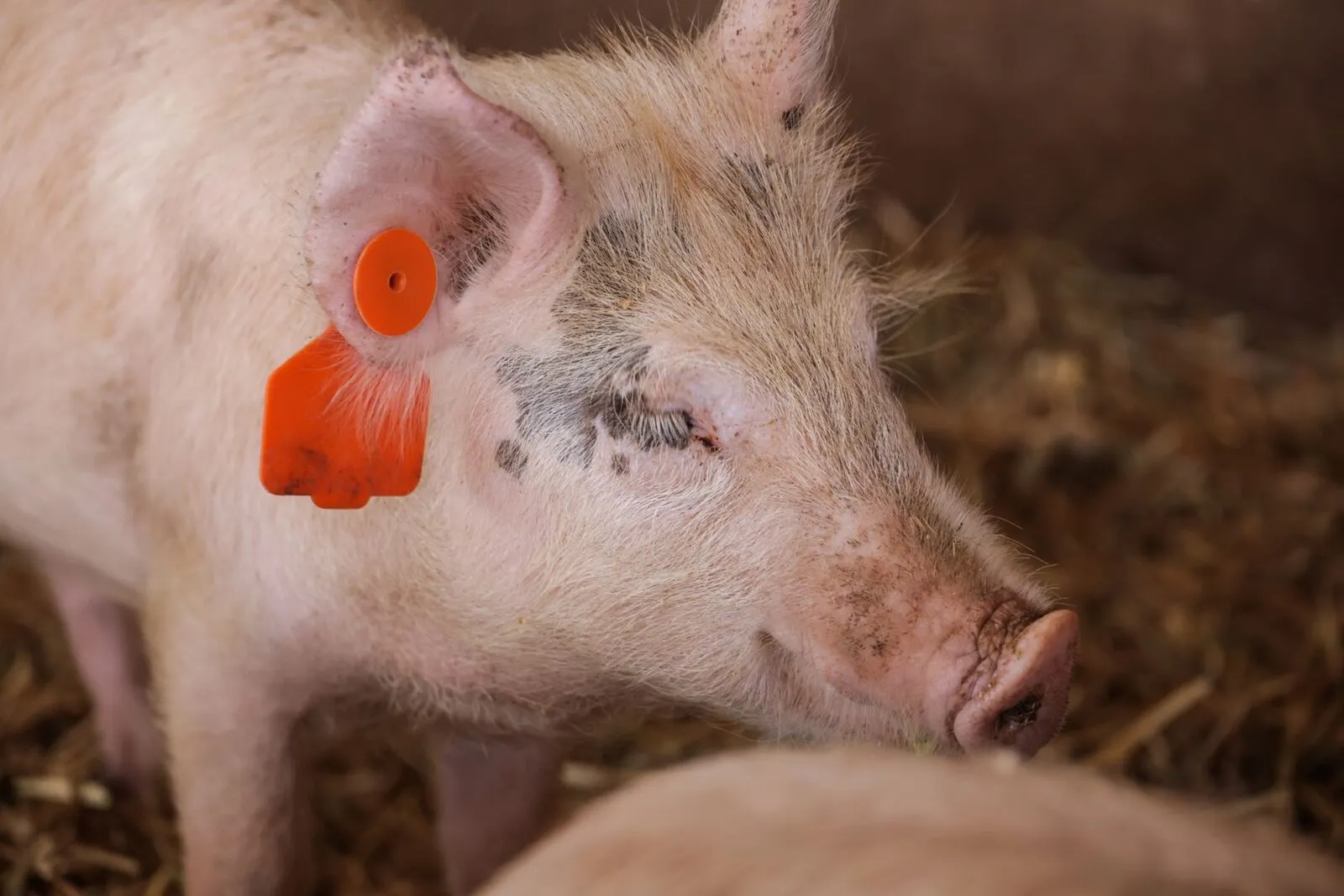
The Food and Drug Administration has finalized a new framework for evaluating how antibiotics used in livestock farming contribute to drug-resistant bacteria—a shift that signals stricter scrutiny of practices that have become routine across industrial animal agriculture.
The updated guidance, released August 13, marks the completion of a framework the FDA has been developing since 2022. For decades, farms have used antibiotics not just to treat sick animals, but to promote growth and prevent disease in crowded operations. The problem: that routine use drives the evolution of bacteria resistant to drugs doctors rely on to treat infections in humans. When those resistant bacteria spread from farms to food supplies to hospital wards, antibiotics stop working when lives depend on them.
This isn’t abstract. The CDC estimates that antibiotic-resistant infections cause at least 2.8 million illnesses and 35,000 deaths in the U.S. annually—and the FDA’s own data shows that most antibiotics sold in America go to livestock, not people.
What Changed
The new framework aims to assess each antibiotic’s potential to contribute to resistance that threatens human health, rather than simply reviewing whether a drug is safe at the doses used. This distinction matters. A drug might be “safe” for livestock in narrow doses but still seed resistance in the environment.
The FDA is also prioritizing which antibiotics pose the biggest threat. Some drugs are critical to human medicine—penicillins and cephalosporins, for instance—and the FDA is now more likely to restrict their use in animals even if they’re currently approved. Other drugs used only in livestock get lower scrutiny.
The guidance also emphasizes the role of testing and surveillance. Farms using antibiotics will face pressure to document why, track outcomes, and participate in resistance monitoring. For large-scale operations with resources for veterinary oversight and record-keeping, compliance is manageable. For smaller farms, the paperwork burden could be steep.
The Consolidation Angle
Here’s where industrial structure matters. The meatpacking industry’s consolidation means that giant integrators like Tyson and JBS control supply chains end-to-end. When these companies issue antibiotic protocols to their contract growers, growers comply or lose their contracts. A new FDA framework trickles down as a directive: use less, document more, prove necessity.
Large operations can absorb those compliance costs. They already employ veterinarians, have digital record systems, and can negotiate better prices on selective antibiotics. Smaller independent farms often can’t. The result: consolidation deepens.
The resistance and resilience angle cuts the other way too. Farms moving toward regenerative practices—better stocking densities, higher-forage diets, rotational grazing—use fewer antibiotics by default. As the FDA tightens the reins, those practices shift from “alternative” to economic necessity. The farms building soil health and genetic diversity gain an advantage.
What Comes Next
The FDA’s framework is guidance, not law. Implementation depends on enforcement priorities and industry compliance. The agency has signaled that it will work with farming groups and veterinarians to phase in requirements rather than impose them overnight.
But the direction is clear. Over the next 18 months, farms will see pressure to reduce non-critical antibiotic use, particularly for growth promotion. Veterinary feed directives—requirements that antibiotics be prescribed by a licensed vet—will tighten. Surveillance data on resistance in farm animals will become public, shining a light on operations that lag in adoption.
For the families raising cattle, hogs, and poultry, the message is: antibiotic use is now a liability, not a shortcut. The farms investing in animal welfare, genetics for disease resistance, and management practices that keep animals healthy without routine drugs are positioning themselves for a tighter regulatory future.
Related coverage: Soil health: An Iowa soil specialist put his farm where his mouth was, Climate volatility is crushing yields as farmers face input cost spirals, California bans paraquat herbicide over health concerns, and Farmers reckoning with climate impacts on crops and soil.