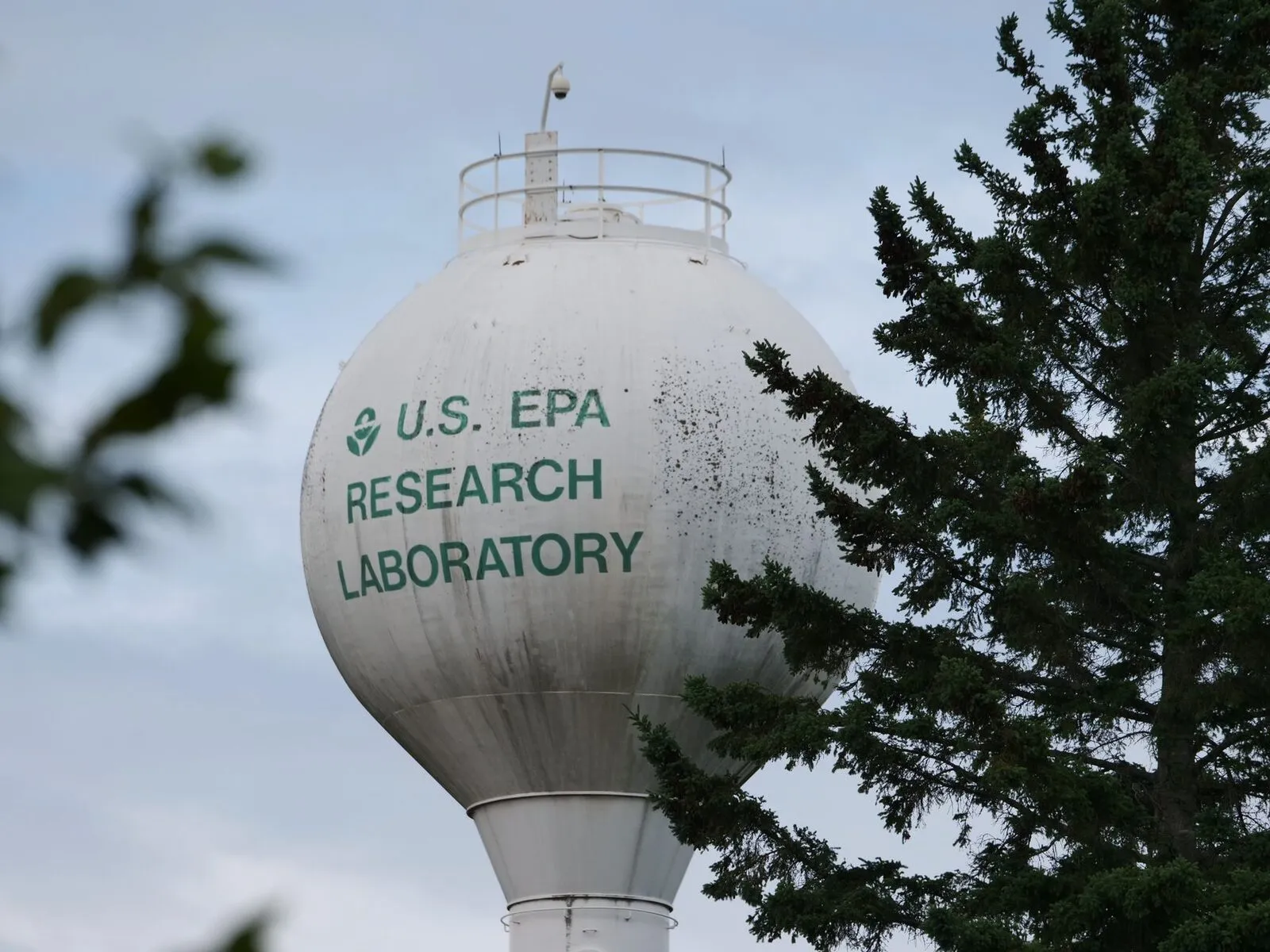
A coalition of public health and environmental groups filed a petition on November 16 asking the Environmental Protection Agency to lower the federal drinking water limit for nitrates to 1 milligram per liter. The current limit is 10 mg/L.
According to EWG’s statement on the filing, the petitioners are the Environmental Working Group, Alliance for the Great Lakes, Prairie Rivers Network, Environmental Law & Policy Center, Food & Water Watch, the Natural Resources Defense Council and the Union of Concerned Scientists.
What the petition says
The 10 mg/L threshold was first adopted in 1975, and the groups say EPA has never updated it. Their argument is that 51 years of public health research links nitrate-contaminated drinking water at levels far below that standard to higher risk of cancer, birth defects and other harms.
Food & Water Watch says the petition lays out that research, includes a cost-benefit analysis, and offers EPA a roadmap for addressing the problem “at the source and at the tap.” It points to the Safe Drinking Water Act, which the group says obligates EPA to update safety thresholds as the science evolves.
The coalition says unchecked factory farm and chemical fertilizer pollution are the nation’s primary sources of nitrate contamination in waterways. It estimates that roughly 1 in 3 Americans, nearly 120 million people, are exposed to dangerous nitrate levels in their tap water. That figure comes from the petitioners, so read it as their estimate rather than an independent count.
Iowa as the test case
The groups single out Iowa. Food & Water Watch says 46% of Iowans are exposed to nitrate levels over 1 mg/L, and that the state has the nation’s highest surface water nitrate contamination. The group ties that to Iowa having more factory farms and more chemical fertilizer use than any other state.
The most concrete local detail in the release is from Des Moines. This summer, the groups say, more than 600,000 residents of the Des Moines area faced a second consecutive year of water restrictions, while nitrate removal systems ran a record 193 days. That is a utility paying to scrub farm runoff out of drinking water, and customers living with the restrictions.
The EPA angle
The petition lands as EPA’s own review of nitrate appears to have stalled. Both groups say the agency has apparently abandoned a reassessment of nitrate’s toxicity and eliminated the offices responsible for such assessments, which they describe as scuttling years of work done under prior administrations. We have not seen an EPA response in the fetched materials, so that characterization is the petitioners’ and the agency’s side is not yet on the record here.
Several of the quoted advocates make the same point from different angles. Anne Schechinger of EWG said the science has advanced while protective standards have not. Dr. Stacy Woods of the Union of Concerned Scientists called it “a quiet public health crisis” and said nitrate levels linked to increased health risks have been reported in water systems serving tens of millions of people. Nancy Stoner of the Environmental Law & Policy Center argued that EPA is relying on a 1962 report for the standard.
Why it matters for farm country
Nitrate is a fertilizer problem first. When nitrogen is applied heavily or washes off fields and feedlots, it ends up in rivers and aquifers, and the bill is paid by water utilities and households. This is the same dynamic behind the Falmouth shellfish fight over nitrogen on Cape Cod, where the pollution source is septic rather than farms but the cleanup cost lands on the public.
It also connects to our earlier reporting on how fertilizer costs are shaping the post-midterm farm bill debate and on EWG’s look at schools near sprayed crop fields. Rural families are often the first exposed, whether through the air, the soil or the tap.
For more on contamination coverage, see our Poisoned Ground desk.
What to watch
A petition does not force a rule. EPA decides whether to take it up, and a revised standard would need rulemaking under the Safe Drinking Water Act. Watch for an agency response, for whether Congress or state regulators in Iowa weigh in, and for whether water utilities report on nitrate treatment costs. We will update when there is a documented response.


