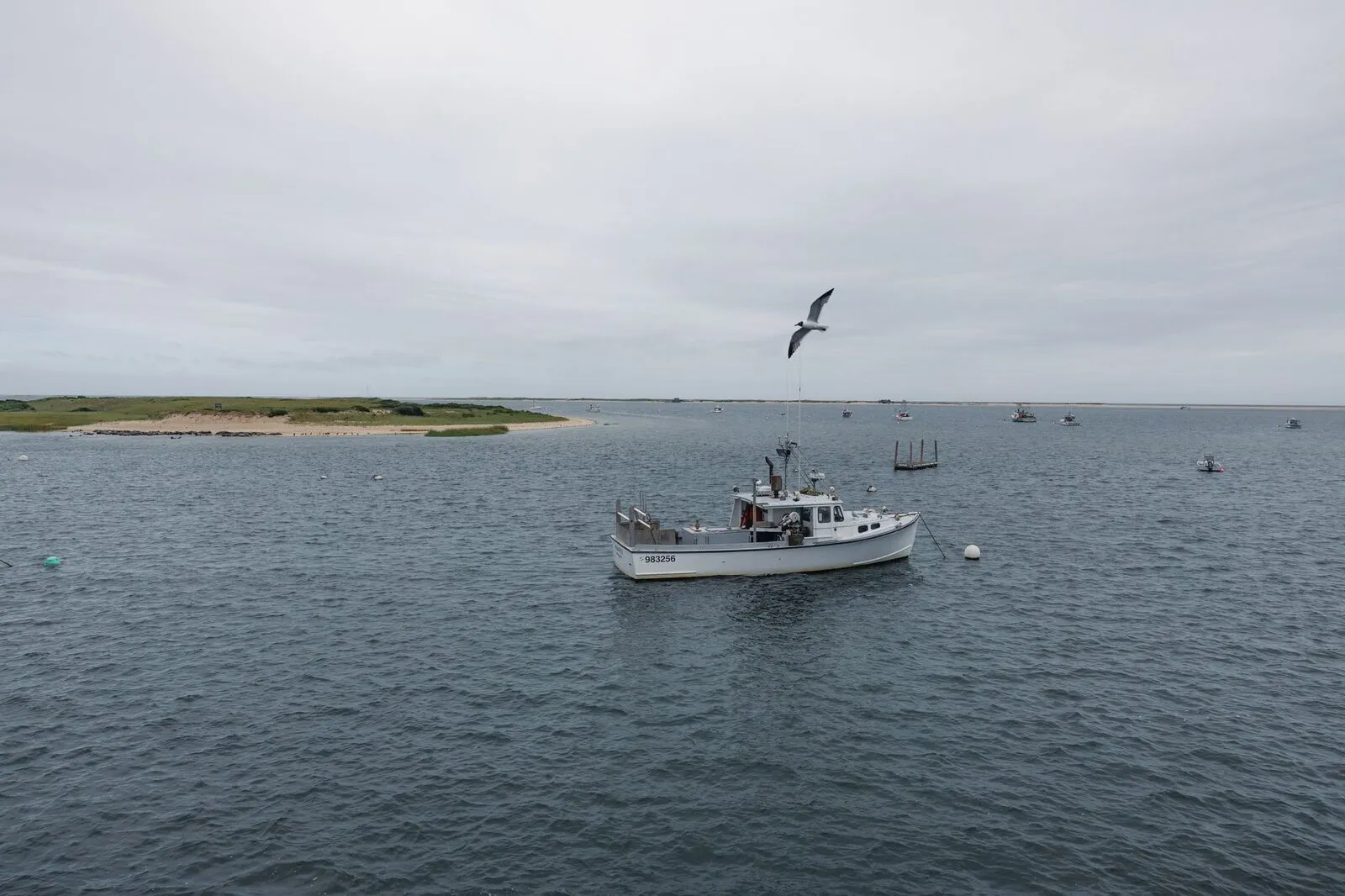
Falmouth, Massachusetts, is getting some of its water back. After decades of nitrogen pollution that wrecked its tidal ponds, the town has reopened 33 acres of Falmouth Harbor to seasonal shellfishing after more than 20 years of closure, according to Civil Eats. Another 28 acres in nearby Little Pond are set to reopen soon.
It is a small, local win. It also shows what it takes to undo nutrient pollution once it has taken hold, which matters well beyond Cape Cod. It sits squarely in our poisoned ground coverage.
What went wrong
Falmouth sits on a rapidly developing peninsula that relies on septic systems to handle wastewater. Civil Eats reports that the town’s estuaries were bombarded with excess nitrogen for decades “until they could no longer keep up.”
The state has designated nearly all of the town’s 15 shallow tidal estuaries as impaired, per the same report. Shellfish populations crashed. A town that once had hundreds of commercial diggers now caps licenses at 50, and most license holders are part-timers.
The mechanism is called eutrophication. According to Civil Eats, nitrogen fuels algal growth. The algae block sunlight and kill off plants like eelgrass, which stabilizes the seafloor and gives shellfish habitat. Bacteria then consume oxygen as they decompose the dead plants, and the cycle feeds itself until a thriving estuary turns inhospitable.
The people on the water
Timmy Souza, 65, started harvesting as a kid, when blue crabs, oysters, soft-shell clams and quahogs were plentiful, Civil Eats reports. Scallops in the eelgrass were so abundant they took longer to shuck than to gather. Shellfishing was a lifeline in a community with limited ways to make ends meet.
Today he works part-time, raking Bourne’s Pond after an overnight shift at a substance abuse treatment center. Asked about the effect of the decline, he told the outlet: “Poverty. That’s all I can tell you.”
This is the human cost that headline pollution numbers tend to skip. A working waterfront is a small-scale food economy, and when the water fails, the people with the least cushion lose first.
What the town is doing
Falmouth is not betting on one fix. Civil Eats says the response combines three tools:
- Sewers, which keep nitrogen from septic systems out of the watershed.
- An underground water treatment barrier, which intercepts nitrogen before it reaches the water.
- Oyster aquaculture, which helps remove nitrogen once it is in the water.
The first two prevent nitrogen from arriving, and the third pulls it back out. The reported results so far: reopened harvest areas, and oyster production that has tripled since 2019 to more than 3 million pieces a year. Souza told Civil Eats he sees improvement after decades of declining catches.
The excerpt of the article available to us does not detail costs, funding, or how much measured nitrogen has dropped, so we are not making claims there. The full report is behind a Civil Eats membership.
Why farm country should pay attention
Cape Cod’s nitrogen comes mainly from septic systems, not fields. But the problem is national. Civil Eats cites the U.S. Environmental Protection Agency in reporting that roughly two-thirds of the nation’s estuaries face moderate to high levels of eutrophication, much of it caused by agricultural runoff.
That ties this story to the rest of the food system. Fertilizer that leaves a field does not disappear. It ends up downstream, in someone else’s fishery and someone else’s drinking water. Rising input costs already squeeze growers, as we covered in Farmers Struggle With Rising Debt and Equipment Costs, and the midterm results put fertilizer back in the policy conversation, as we reported in the farm bill and SNAP piece. Cleaner water is one more reason that conversation should include how much nitrogen is applied and where it goes.
Other communities are watching the land, too. In Texas, residents are contesting what gets injected under their ground. Water and land are being asked to absorb a lot of industry’s byproducts.
What to watch
Whether the Little Pond reopening happens on schedule, and whether other Cape towns with septic-heavy shorelines copy the mix of sewers, barriers and oyster farms. Falmouth’s example suggests that recovery is possible, but slow: beds that were closed for more than 20 years are only now coming back, and only part of them.
Source: Ben Seal, Civil Eats, November 16, 2026.


