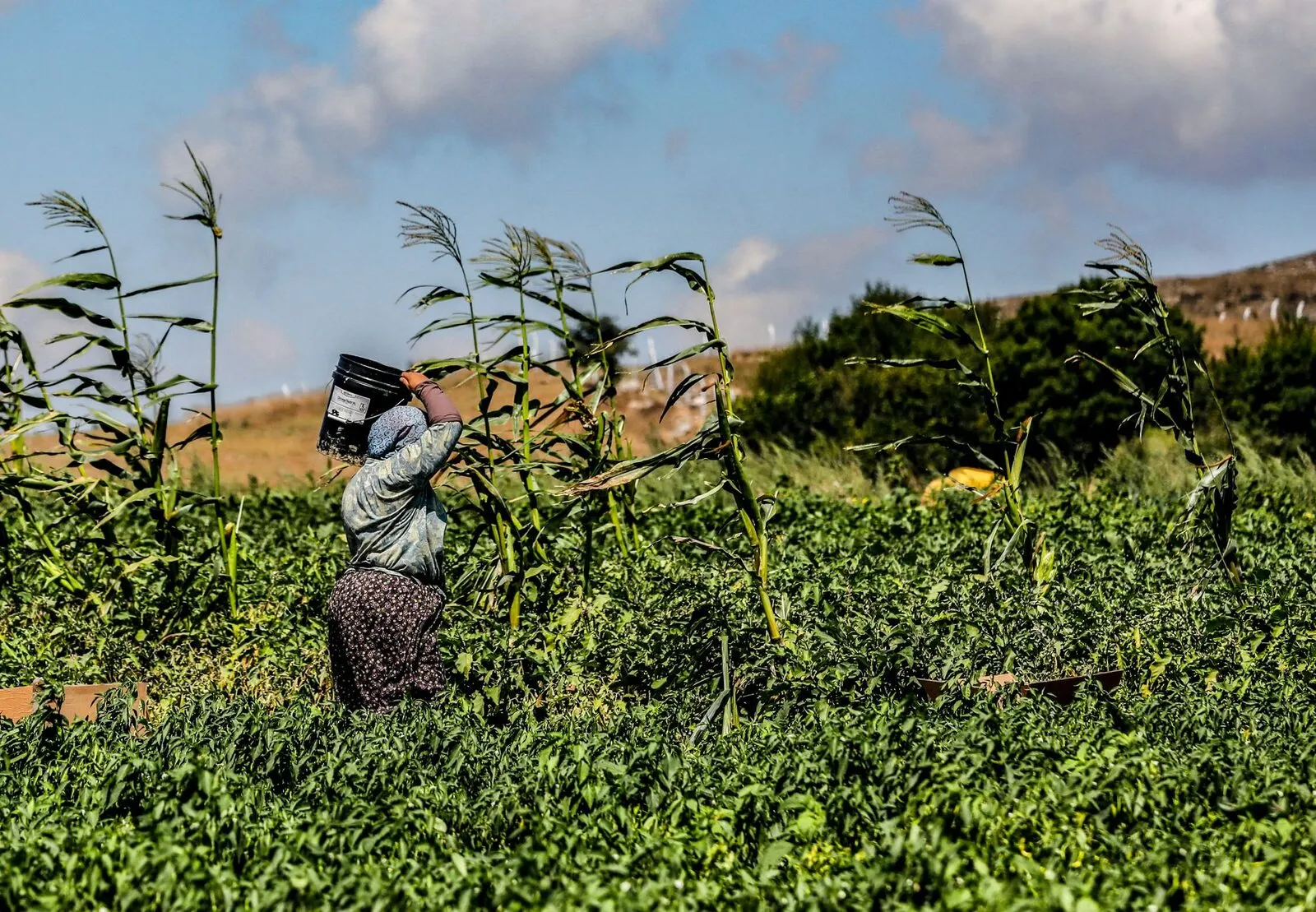
The hands that feed America are bracing for a wave. As the Trump administration ramps up immigration enforcement ahead of the midterms, ICE operations are escalating across rural communities and food processing plants, forcing farmworkers and food workers into impossible choices: skip work and lose wages, or risk detention and family separation.
According to Civil Eats, the surge in ICE enforcement is hitting workers across the entire food system, from harvest fields to meatpacking plants to produce distribution centers. The timing matters. Late October is peak harvest season for much of the country. Corn, soybeans, and specialty crops are in the field. Packing plants are running overtime. The work can’t wait, but the fear has already changed the calculus for thousands of workers.
For undocumented workers, who make up a significant portion of agricultural labor and food processing workforces, the risk calculation just shifted. A workplace raid doesn’t just mean arrest. It means immediate income loss for a family already living paycheck to paycheck. It means missing the end of harvest when overtime is available. For families with mixed status (one parent documented, one not), it means kids showing up to school with one parent missing. The ripple goes deep.
“People are scared,” one worker told Civil Eats. “You wake up wondering if today is the day they come.”
That fear is already changing labor dynamics. Some workers are avoiding certain jobs or employers they perceive as targets. Others are asking for cash payments off the books, making themselves more vulnerable to wage theft and exploitation. Still others are simply staying home, reducing the available labor force precisely when farmers and processors need every hand. The enforcement surge doesn’t just arrest people; it destabilizes entire operations.
For farm operations, the math is getting tighter. Agriculture has long relied on undocumented labor for the work that documented workers are unavailable or unwilling to do. Harvest labor, especially hand harvesting, is seasonal, hard on the body, and pays poorly by any standard. The legal pathways for agricultural workers are thin: the H-2A guest worker visa, when available, comes with restrictions and often wage levels that don’t reflect the actual cost of living. Many operations default to an undocumented workforce because the documented options don’t exist or don’t function.
When the federal government vacated the H-2A wage rule in October, it created more uncertainty for farm labor. Farmers couldn’t rely on H-2A as a stable source of labor. Now, with ICE enforcement ramping up, the undocumented workforce that filled that gap is under direct pressure. The result is a labor market in chaos, and farms in harvest season can’t just wait for policy to settle.
Some producers are already feeling the pinch. Civil Eats reported that labor availability is dropping in some regions, with workers staying home out of fear. Others are seeing wage pressure spike as remaining workers understand their moment of leverage and demand better pay or conditions. That’s rational economics, but it’s also a reflection of how precarious food system work has become.
The political context matters too. Immigration enforcement ramped up in the lead-up to the 2024 midterms. Voters were divided on the issue. The impact on agriculture was severe but mostly invisible to the news cycle. Now, as we approach the 2026 midterms, the same messaging and tactics are returning. Farmers and processors have had two years to adapt to labor instability. Some have. Many haven’t.
What complicates the picture is that enforcement doesn’t replace the labor gap. If an ICE operation takes workers from a packing plant, the plants don’t suddenly acquire documented labor to replace them. Operations simply slow down, reduce hours, or shift work to remaining staff already working overtime. The food gets picked later or not at all. Crops rot in the field because the labor force evaporated. It’s an enforcement strategy with no mechanism to ensure continuity in an industry that literally feeds the country.
For farmworkers themselves, the present moment offers no good options. Documented workers earn less than farmworkers need to live on. Guest workers face restrictions that leave them vulnerable to exploitation. Undocumented workers face detention and deportation. The food system depends on labor, but the labor policy framework has no solution that protects workers or ensures food security.
The wage rule fight around H-2A highlighted how narrow the legal pathways for farm labor really are. Enforcement without legal alternatives isn’t policy. It’s just punishment.
In the meantime, harvest continues. Workers who can stay, do. Those who can’t, leave. Farms find ways to adapt. And the people whose labor builds American agriculture remain the most precarious, most exploited, and least protected link in the chain that feeds the country.
The enforcement surge won’t solve what’s broken in farm labor. It will just make it hurt more.
Read more of our reporting on farm labor.


