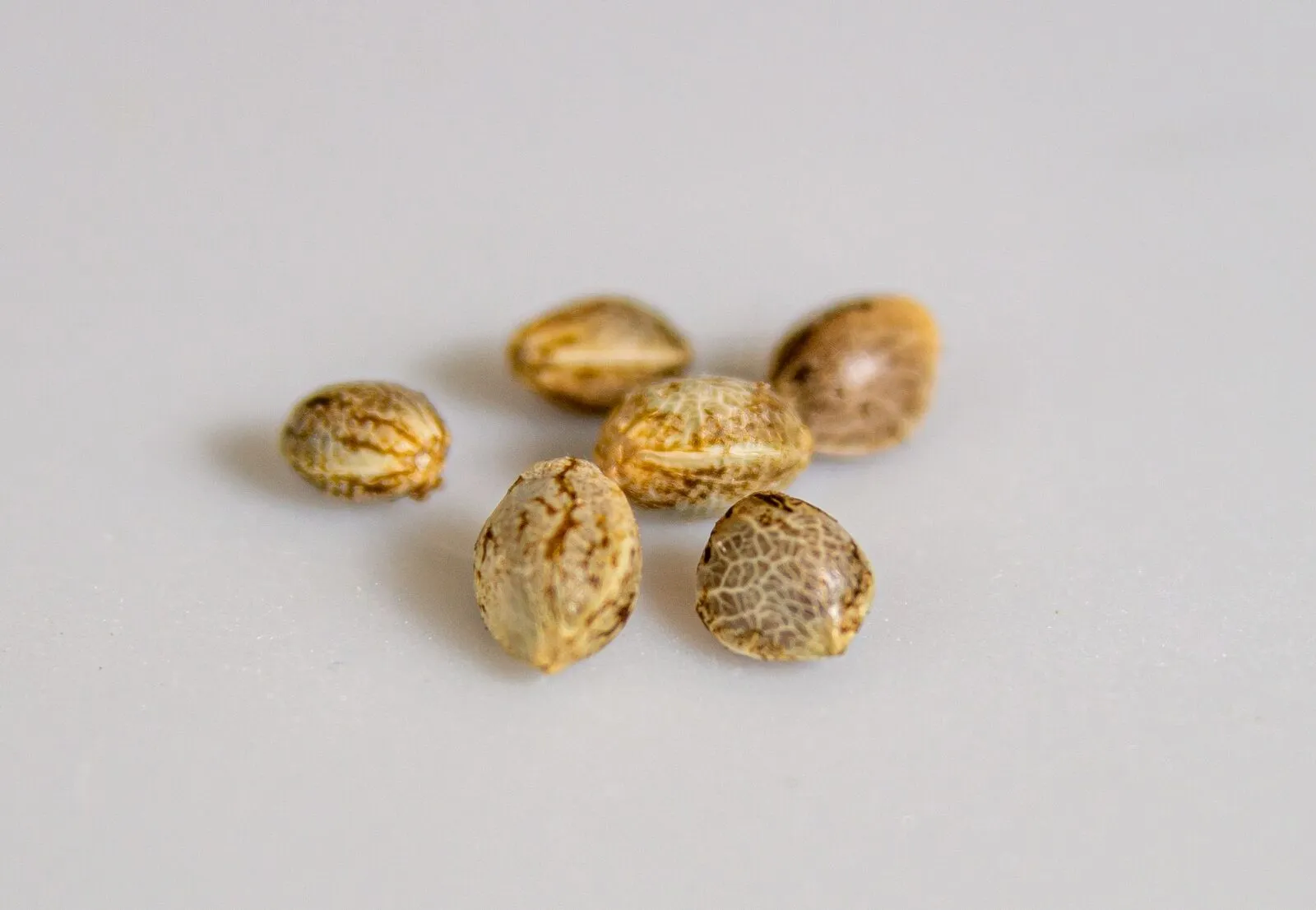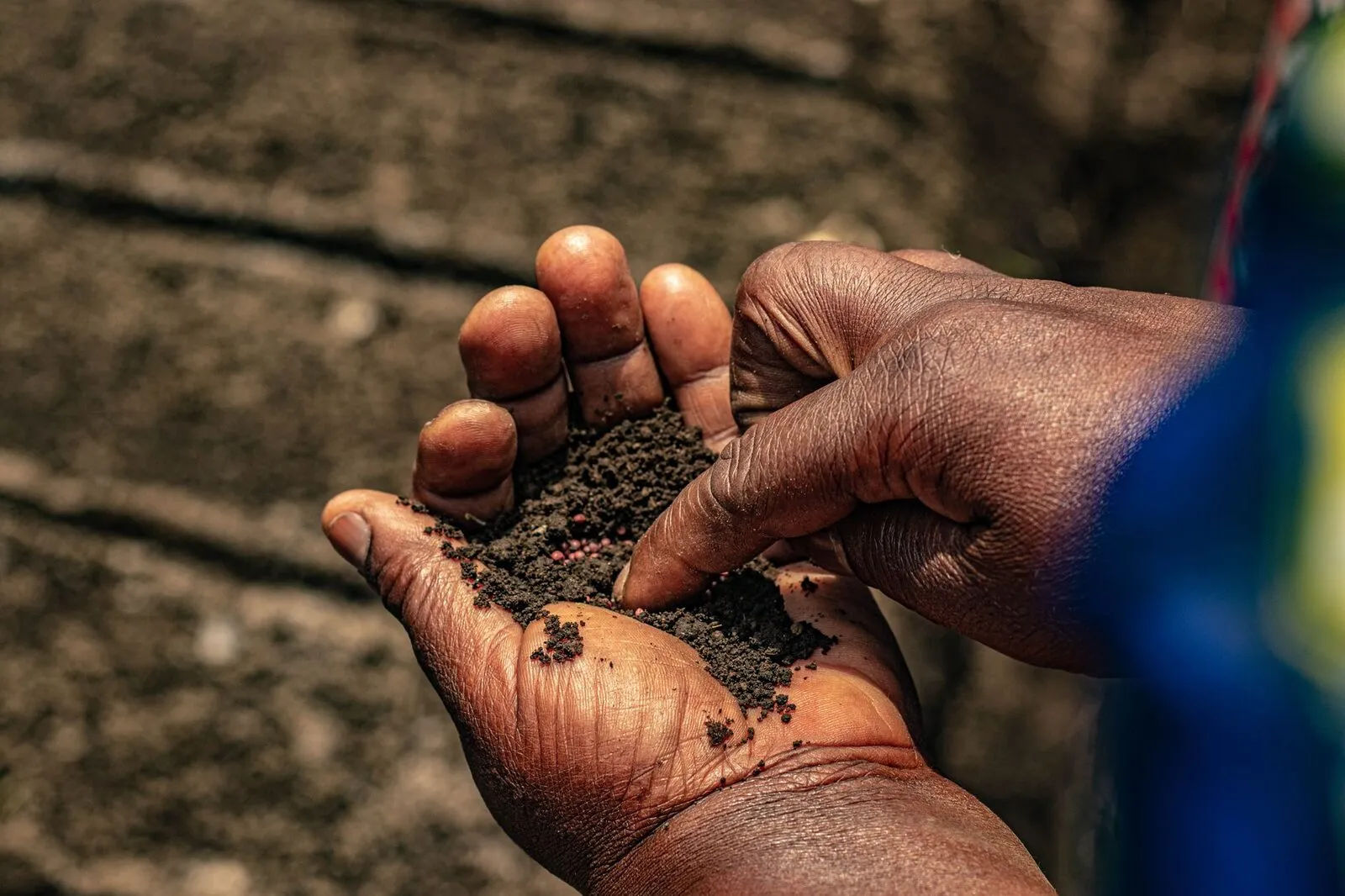
The USDA announced $180 million in new funding this week to bolster seed research and development, framing the effort as a win for seed sovereignty and food security. But advocates who’ve spent years fighting seed monopolies say the money, while welcome, sidesteps the harder problem: a handful of corporations control most of the seeds American farmers plant, and cash for research alone won’t change that.
The funding will support research into climate resilience, disease resistance, and crop diversity. It’s real investment in the kinds of breeding programs that matter when farms face scorching heat and new pests, and when consolidation means genetic variety is disappearing fast. For farmers who still rely on saved seed and adaptive breeding, that research baseline matters.
But the announcement reveals a familiar tension in ag policy: you can fund research all day, and if the legal and market structure lets a few companies own the patents and bundle equipment with seed contracts, researchers’ work still ends up concentrated in their hands. The USDA can produce better varieties, but farmers can’t necessarily grow them the way they want to.
Corporate consolidation in seeds has been brutal. Bayer-Monsanto, Corteva, and BASF control the majority of commercial seed varieties. When farmers want to save seed and breed regionally adapted plants, they hit patent walls and licensing restrictions. The seed companies tie their genetics to their chemicals, their equipment, their data platforms. Deere owns the diagnostics in the combine. Monsanto owns the genes in the corn. You can’t separate them anymore. More research without addressing those structures is like adding water to a cup with a hole in the bottom.
Food advocates argue that funding needs to go beyond academic research to build the infrastructure for independent seed companies that can compete. Open-source breeding, public seed libraries, regional breeding networks, farmer-led selection programs. Those alternatives exist but are severely underfunded compared to the corporate seed machine. They take real investment, and they’re where actual competition could happen.
The USDA’s plan touches on some of this. There’s money for breeding programs at land-grant universities and for research into underutilized crops like pulses and heritage grains. The agency is also pushing farmers toward climate adaptation, which makes sense. But without simultaneous moves to break up patent concentrations or shield farmers’ seed-saving rights, the structural bottleneck doesn’t clear. Universities do great research. But if farmers can’t use the results without buying a license, the benefit stays locked in the legal department.
What the ag sector is watching: whether this funding becomes a genuine challenge to corporate seed control, or just a consolation prize. The research money is a down payment on food sovereignty. Whether it becomes real depends on whether it’s backed up with the antitrust and regulatory work that actually changes who controls what farmers can grow. Without that, the USDA is funding improvements to a broken system, not fixing the system itself.
Related coverage:
Read more about corporate consolidation in the farm economy, how seed and equipment tied together squeeze farmers, and what policy shifts mean for farmworkers.