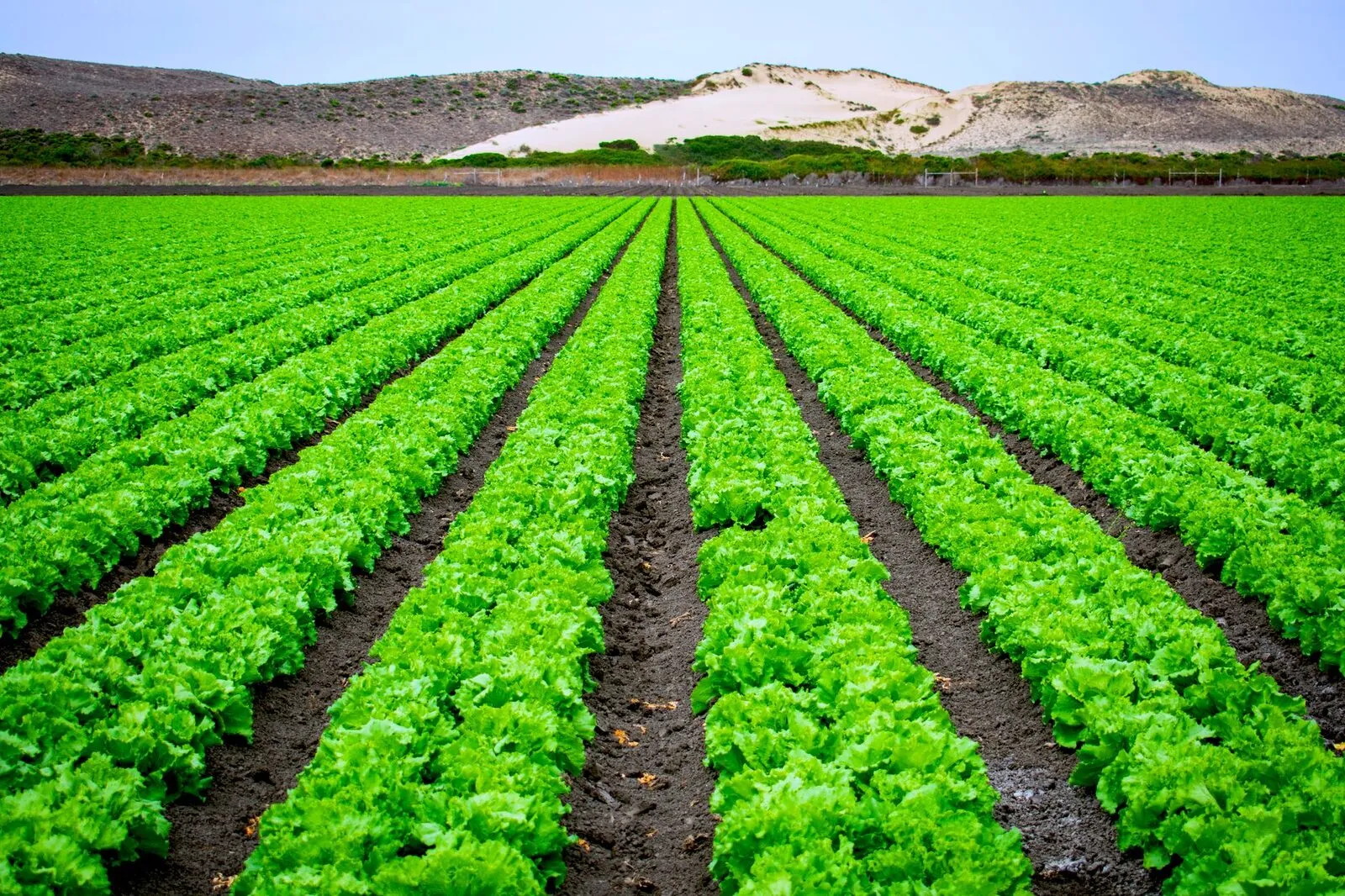
When people stop buying lettuce, farms in California’s Salinas Valley don’t just lose profit. They lose their reason for existing.
Widespread caution over food safety has sent lettuce and produce sales plummeting across the region, according to reporting by Civil Eats citing data from the New York Times. Farms in the valley, which produces more than half of America’s salad vegetables, are abandoning crops mid-season and cutting staff. Pre-packaged salad sales have fallen. Food chains that build menus around lettuce items or salad offerings report significant drops in consumer demand.
For growers built on commodity volumes, that’s catastrophic. A single harvest of iceberg lettuce might move thousands of cases. When supermarkets cut orders and food-service suppliers pare back purchases, farms face a choice: sell at a loss or leave the crop in the ground.
The Ripple Through a Supply Chain Already Strained
The Salinas Valley is not accustomed to caution from consumers. The region has built its identity on producing affordable greens year-round, the backbone of the U.S. salad supply. Farms there have weathered price swings, water crises, and labor shortages. Consumer fear over food safety is a different kind of shock.
The underlying concern appears to be contamination risks, though the specific driver varies. Whether the worry centers on bacterial pathogens like those that triggered past lettuce recalls, chemical residue, or broader food-system confidence issues, the effect is the same: demand has contracted sharply.
That contraction lands on farmers who have already absorbed years of pressure. Many operate on thin margins. Farm debt has been climbing as input costs rise and commodity prices remain weak. A sudden collapse in lettuce demand doesn’t give growers time to pivot. Crops take weeks to mature. Sales channels take months to build.
Who Absorbs the Loss?
The answer is workers and growers themselves. When farmworkers lose hours because harvests shrink, it’s their wages that evaporate. Farm owners, already stretched thin by input costs and debt, can’t absorb a sales cliff. Some farms have made the painful decision to plow under mature crops rather than harvest and ship at a loss.
Smaller operations and mid-size family farms face the hardest choices. Larger consolidators with diversified crops, multiple markets, and capital reserves can weather short-term demand shocks. The family-farm operations that depend on salad-vegetable monocultures cannot.
This mirrors what happened in other produce regions. When consumer confidence cracks around a particular crop or food safety concern, the pain reaches back through the supply chain to farm labor, land, and livelihoods.
The System’s Fragility
The irony is sharp. Industrial produce has been sold as efficient and safe. Standardized growing, washing, and packaging were supposed to guarantee food security. What actually happened is that millions of people now depend on a few regions, a few growing methods, and a few buyers. When one link breaks, the whole chain convulses.
Recent research shows that the U.S. food system faces growing safety challenges, driven partly by climate stress, staffing cuts in food safety agencies, and the sheer complexity of industrial supply chains. Trust, once lost, returns slowly.
For Salinas Valley growers, that delay is happening now. They are holding inventory that won’t sell, facing workers they can’t afford to keep, and watching the math turn red. Some will survive by contracting. Others won’t survive at all.
The regional food system has proven resilient to many shocks. But resilience assumes diversity. When the Salinas Valley grows salad for America, and America stops buying salad, the valley has no backup. It has no path to diversify when every input cost is locked in and every acre is already mortgaged.
What restores consumer confidence is transparency, accountability, and proof that the system can deliver safe food consistently. That takes money and time. Farms in the Salinas Valley have neither right now.
For family farmers fighting to hold their land, food safety crises are another force pushing toward consolidation and out toward the edges where only the largest operations survive.