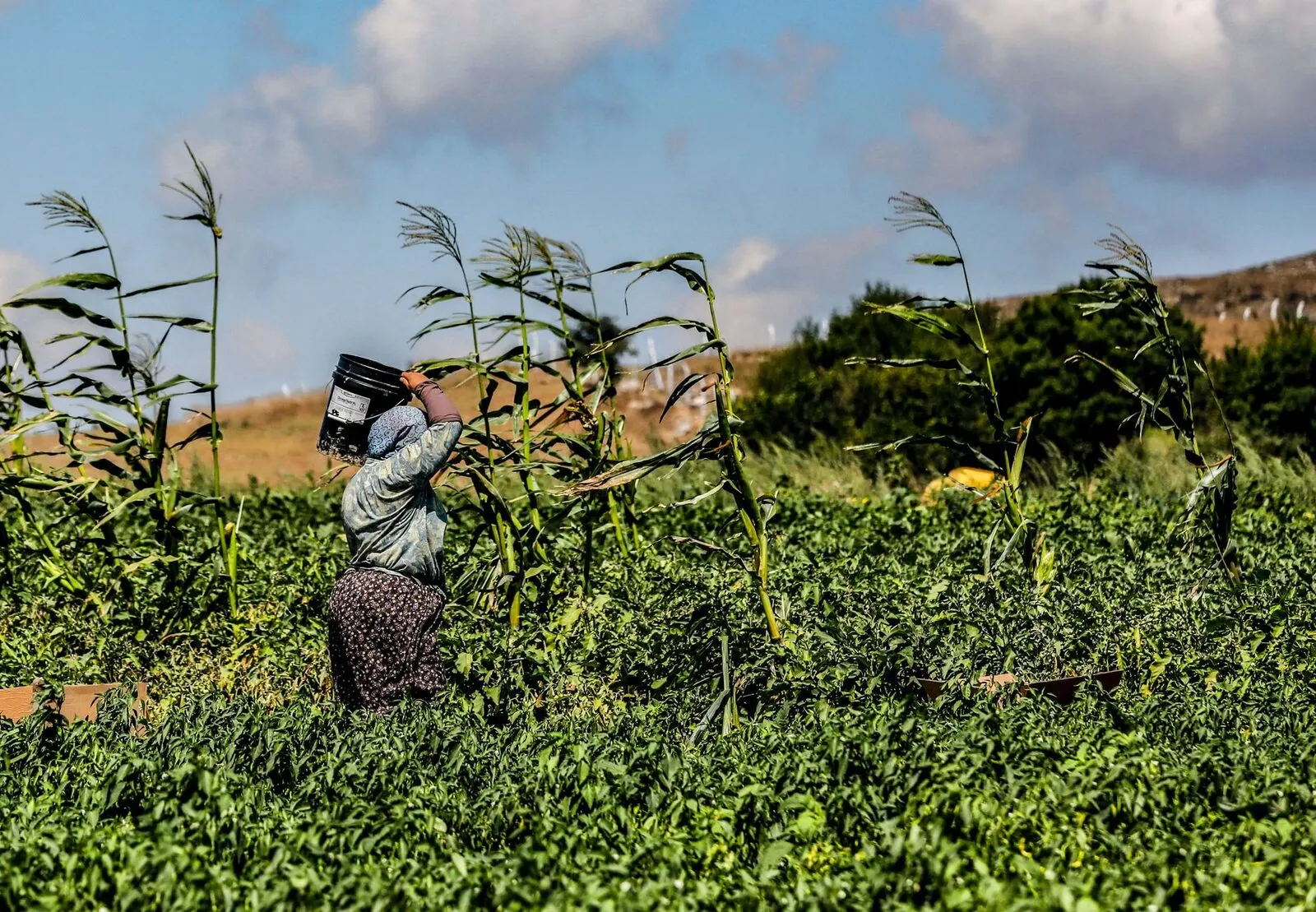
A federal judge’s ruling blocking the Trump administration’s H-2A wage cuts has turned out to be only a courtroom victory. On the ground in Mendocino County, California vineyards are continuing to enforce the wage cuts, effectively nullifying the court order and exposing a critical gap between judicial rulings and employer compliance.
According to the Mendocino Voice, workers at vineyards across the region report still receiving the reduced wage scale despite the federal judgment that declared such cuts unlawful. The court’s August 27 ruling should have stopped employers from implementing wage cuts, yet Mendocino vineyards have pressed forward as if the decision never happened.
This enforcement failure reveals a structural weakness in labor protection: a judge can order a wage floor, but the Department of Labor still has to monitor for violations, workers have to report them, and agencies have to penalize non-compliance. In reality, that chain is weak. Farmworkers in visa status, dependent on their employers for housing and continued work authorization, rarely file formal complaints. The DOL is chronically understaffed. Penalties, when levied, are often treated as routine business costs.
The federal court found the Trump administration’s wage-cut proposal violated labor law and would harm both H-2A workers and domestic farm labor by undercutting the broader wage floor. Yet Mendocino vineyards have apparently decided the verdict does not apply to them, at least not yet.
For farmworkers, this is routine disrespect. H-2A workers earn just over $13 an hour on average, a wage that has barely moved in real terms for two decades. Wage cuts would slice roughly ten percent off their annual income. A court says no. An employer says yes anyway. The worker sits silent, visa in hand, knowing that a complaint could mean deportation or blacklisting from future seasons.
The Mendocino vineyards are testing whether employers can simply ignore inconvenient court orders. If the Department of Labor does not act swiftly to enforce the ruling and levy penalties that sting, the message to other growers is clear: sue the government, lose the suit, pay no attention to the outcome. Continue as before.
The administration has already signaled it will appeal the ruling, a process that takes time. Appeals move slowly. During that gap, vineyards can impose cuts, defend the practice as provisional, and negotiate with workers from a position of restored power. By the time the courts rule again, the damage is done and the precedent is set.
Mendocino’s non-compliance also signals a broader problem: even when labor advocates win in court, winning does not mean compliance. The broader farm labor market—from piece-rate harvesting to H-2B visa work—remains contested terrain, with farmworker safety and wage protections continuously under assault. Judicial victories matter. Judicial enforcement matters more. And on that front, farmworkers are still waiting.
Cross-links: