Nevada just threw a legal wrench into the American West’s water wars. After years of diplomatic posturing on the Colorado River, the state filed suit to protect its water allocation, a move that signals the region’s calm is cracking under drought pressure.
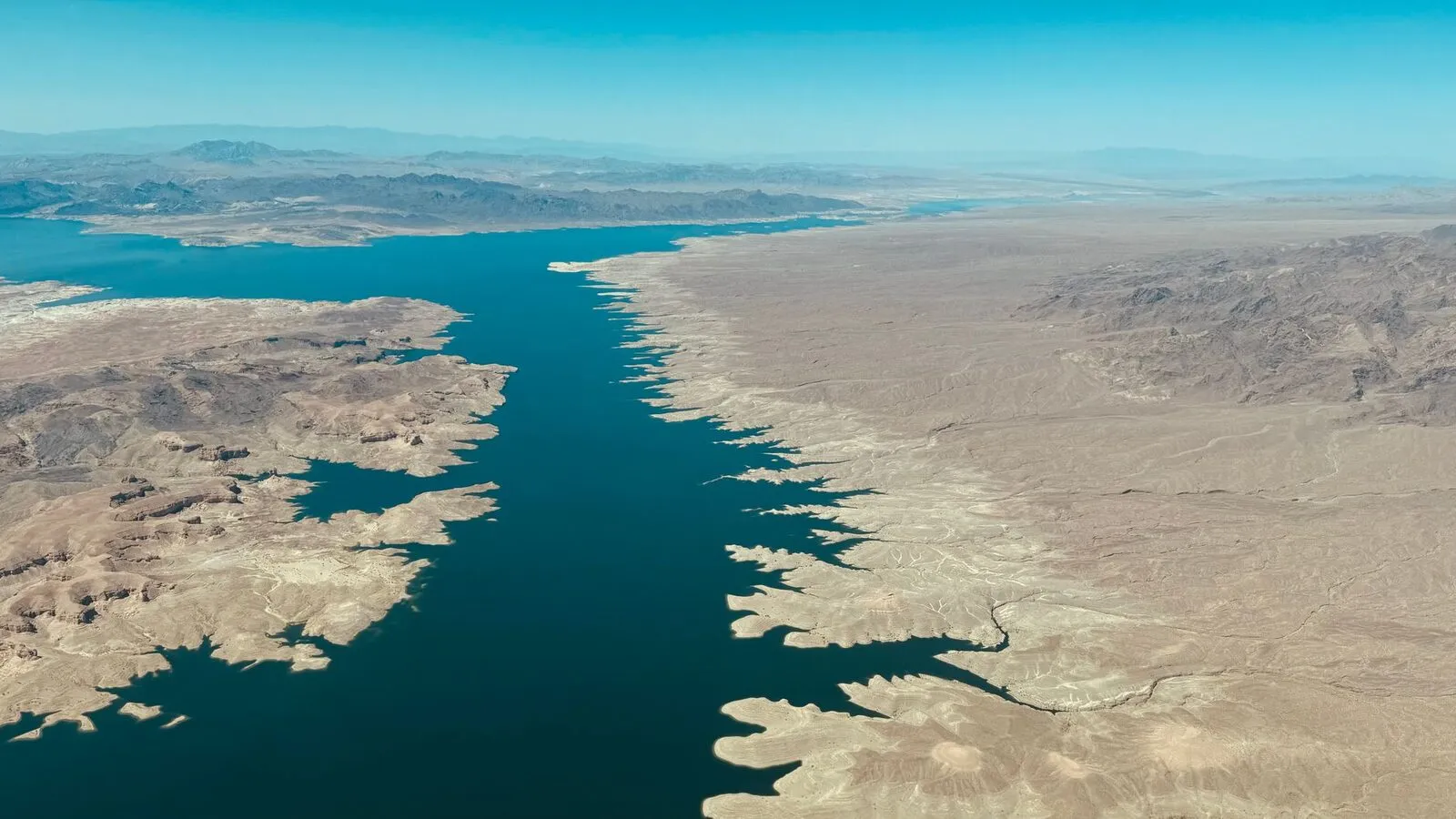
The Colorado River is allocated by the 1922 Compact at roughly 15 million acre-feet annually, divided among seven states plus Mexico. Farmers in Arizona, California, Colorado, New Mexico, Utah, and Wyoming depend on it for irrigation. Las Vegas’s tap also comes from the river. And after two decades of below-average snowmelt, the system is running critically low. Lake Mead and Lake Powell, the two largest reservoirs in North America, sit well below half capacity.
Historically, states coordinated through interstate compacts to manage shortages. The system worked fine when there was surplus to distribute. But coordination only goes so far when there’s less water to go around every year. Nevada’s lawsuit breaks that pattern. The state is now claiming it needs to defend its historic rights before other states carve away what’s left.
The immediate tension: California and Arizona have borne most of the cuts so far, with mandatory cutbacks totaling hundreds of thousands of acre-feet annually. But as lake levels drop further, Nevada worries its turn is coming. A court fight is rougher than a handshake deal, but it’s also Nevada’s way of saying the old agreement no longer works. That’s bad news for every farmer and rancher west of the Rockies.
The Compact that’s breaking
The Colorado River Compact, signed in 1922, allocated water on optimistic snowmelt projections that have failed to materialize for over two decades. The engineers assumed consistent 16.5 million acre-feet of annual flow. The actual average since 2000 has been closer to 12.4 million acre-feet. Climate change has shortened the snow season and reduced runoff. Warmer temperatures mean more evaporation from reservoirs and less snow persisting into spring.
Farmers have already made cuts that would have seemed unthinkable 15 years ago. Some have reduced irrigated acreage by 20 to 40 percent. Others switched to less water-intensive crops like hay and pasture instead of alfalfa. Some Western farmers are now selling their water rights to cities and energy companies rather than irrigating. Rural counties are losing tax base. Small towns are hollowing out.
In California’s Central Valley, the world’s most productive agricultural region, aquifer depletion has caused the ground to sink in places by more than 28 feet. Farmers there are now pumping from increasingly deep wells, a process becoming too expensive to sustain. Across the region, irrigation wells are running dry. Young farmers are giving up before they start.
What happens next
A court ruling could reshape water law across the West. Or it could just delay the harder conversation: the region simply allocated more water than exists, and no lawsuit changes that fact. Either way, Nevada’s move signals that the diplomacy era is ending. The fight for Western water, and the farms that depend on it, just got legal.
When water becomes scarce, agriculture is first to lose out in most state water hierarchies. Cities and power plants have political muscle and voter support. Farms have seniority under the Compact but face relentless pressure to surrender water rights to urban growth and municipal needs. Nevada’s lawsuit may seem like a state-level water dispute, but it’s really a question of whether rural economies in the West can survive the next three decades of drought.
The outcome could take years, maybe decades. Legal fights over interstate water go slow. Meanwhile, farmers plant and irrigate with the hope the law holds. That hope just got a lot shakier. Some families may not be able to wait out a court battle. Water insecurity combined with rising input costs and commodity volatility is pushing more farmers toward selling out to agricultural consolidators and investment funds rather than holding land for the next generation.
See also: Canada’s tariffs strain dairy and seafood exports, Western wildfires force ranchers to rethink land use, and Farm debt spirals as input costs climb.