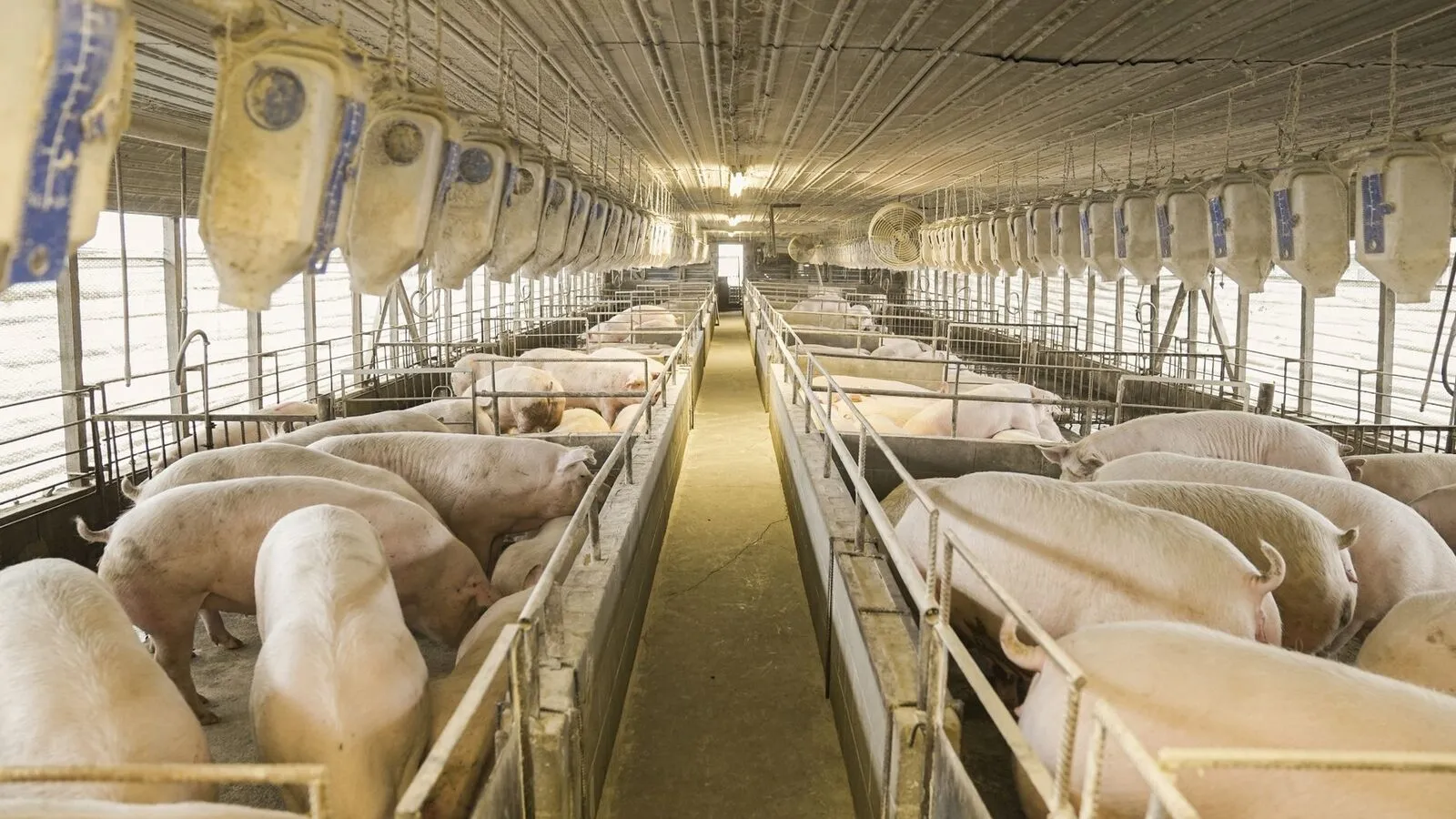
U.S. hog farmers are staring down a profitability cliff. Production costs have climbed 31% in the past five years, and industry analysts are forecasting that pig farmers could face losses of $22 per head in 2027 if input prices and commodity valuations don’t shift.
According to Farm Futures reporting, the cost of raising a pig from birth to market weight has become a losing proposition for many producers. The compound pressure comes from feed costs, energy expenses, and labor, all climbing faster than the price farmers get paid when they sell. For an operation raising thousands of pigs, even a $22-per-head loss compounds fast. A 5,000-head farm would face $110,000 in losses on a single cohort.
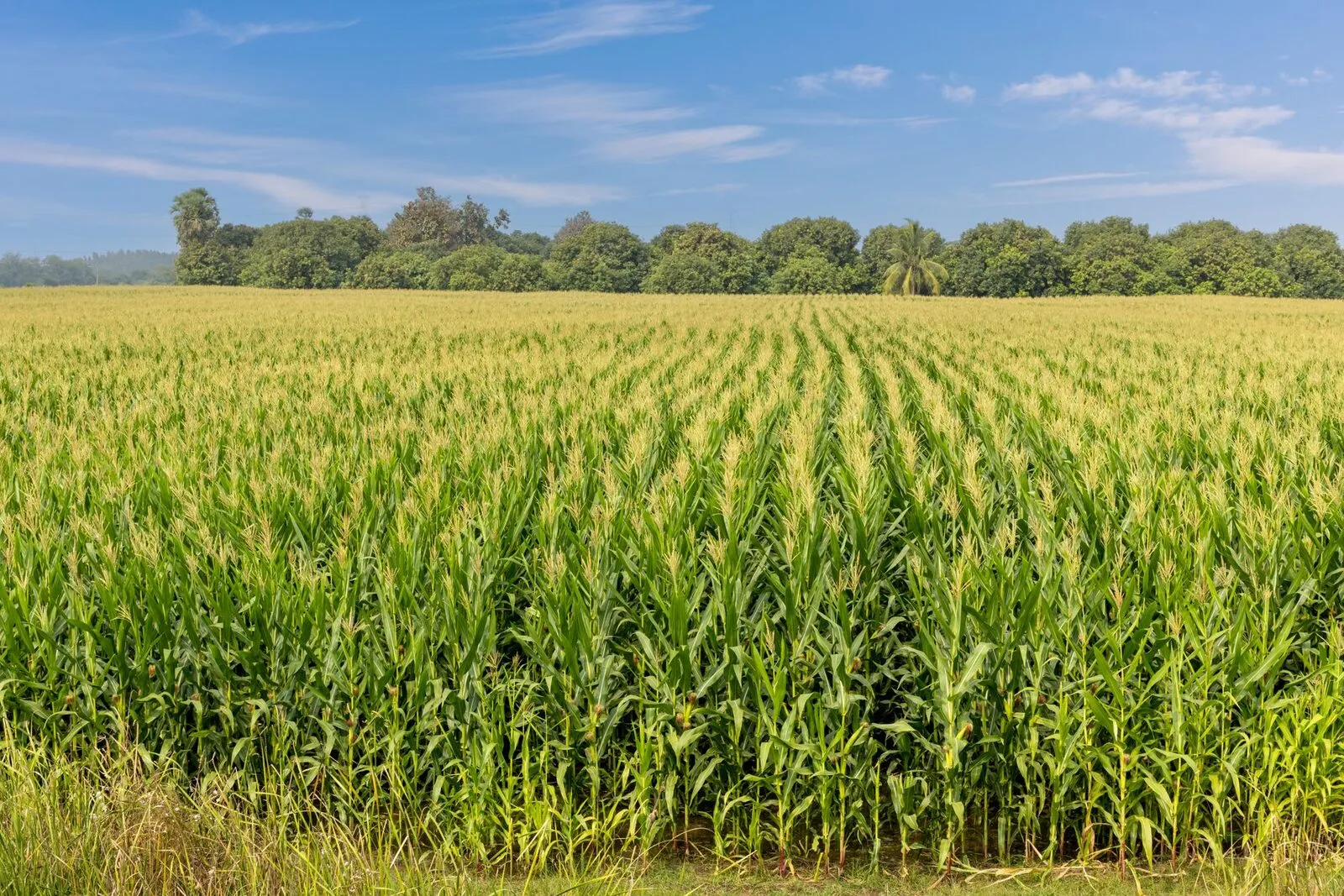
Feed is the biggest cost driver in pig farming, typically accounting for 70% of production expenses. Corn and soybean meal prices hinge on commodity markets, weather, and global supply shocks. Since 2020, the recovery from pandemic disruptions, the Russia-Ukraine war, and input inflation have kept prices volatile and generally elevated. A pig that cost $80 to raise profitably in 2019 now costs closer to $110 in 2026.
Labor costs have tightened as well. Many hog operations are mechanized, but workers are still needed for herd health, feed management, and facility maintenance. Wages have risen across rural ag sectors, partly from demographic pressure (fewer young people staying in agriculture) and partly from post-pandemic labor market shifts. Some producers have absorbed the labor inflation; others have tried to automate further, requiring capital investment that strains operations already running thin.
Hog inventory in the U.S. is down, which should theoretically help prices. Fewer pigs means less pork on the market, potentially lifting prices for what does get sold. But the inventory decline hasn’t yet translated into prices high enough to offset the cost surge. Wholesale pork prices remain under pressure from imports and competing proteins.
The trade picture offers a potential lifeline, though it’s fragile. Negotiations between the U.S. and China hint at possible tariff relief and increased pork exports, which could absorb some of the domestic production glut and support prices. China is the world’s largest pork importer and a traditional buyer of U.S. pork. A reopening of that market could absorb surplus capacity and improve margins for American producers.
But farmers can’t count on trade deals. Negotiations are fragile and subject to broader geopolitical shifts. Some producers are reducing herd size to lower their cost exposure, essentially taking a loss in the short term to survive the long term. Others are betting on efficiency gains: better feed conversion, disease prevention, and herd genetics that get more meat from less input.
The crisis is hitting family-scale operations hardest. Large vertically integrated companies like Smithfield and Tyson own or control a significant share of U.S. hog production and can absorb margin compression through portfolio diversification and scale. A 500-head independent producer, which was once a viable farm size, is now running deficits most years. The cost structure has shifted so much that the floor for profitability has moved higher, pushing smaller operators toward consolidation or exit.
Younger farmers trying to break into pork production face a brutal entry point. Land, facilities, and working capital to get through a down cycle were already out of reach for many. Now, the operating margins are so thin that financing doesn’t pencil out. Banks are reluctant to lend for hog operations that can’t show a clear path to break-even in the next few years.
Feed suppliers and equipment makers have captured some of the value that used to flow to farmers. A bushel of corn that a farmer receives $4 for might cost $8 in pork feed before it moves one step up the supply chain. That spread has widened as consolidation in input industries has given fewer companies more pricing power.
Some producers are exploring contract growing models where a larger integrator bears more of the input cost risk in exchange for tighter control over management. Others are looking at alternative market channels: direct-to-consumer pork sales, heritage breeds, or organic and grass-fed positioning that can command price premiums. But these are niche strategies; the vast majority of U.S. pork production is commodity-grade, price-taker, and currently unprofitable at scale.
The $22-per-head loss forecast is grim but not unprecedented. Hog farmers have weathered cycles before. What’s different now is the structural nature of the cost inflation. Feed prices, labor costs, and energy expenses aren’t likely to revert to 2019 levels. The next cycle will start from a higher cost baseline.
That shift is pushing consolidation and economic Darwinism in pork. Larger operations, more efficient genetics, and better vertical integration will survive. Mid-scale family farms will shrink or vanish.
See also: how farm debt spirals and crushes farmers, why commodity prices are failing farmers, farmland consolidation and the disappearing family farm.