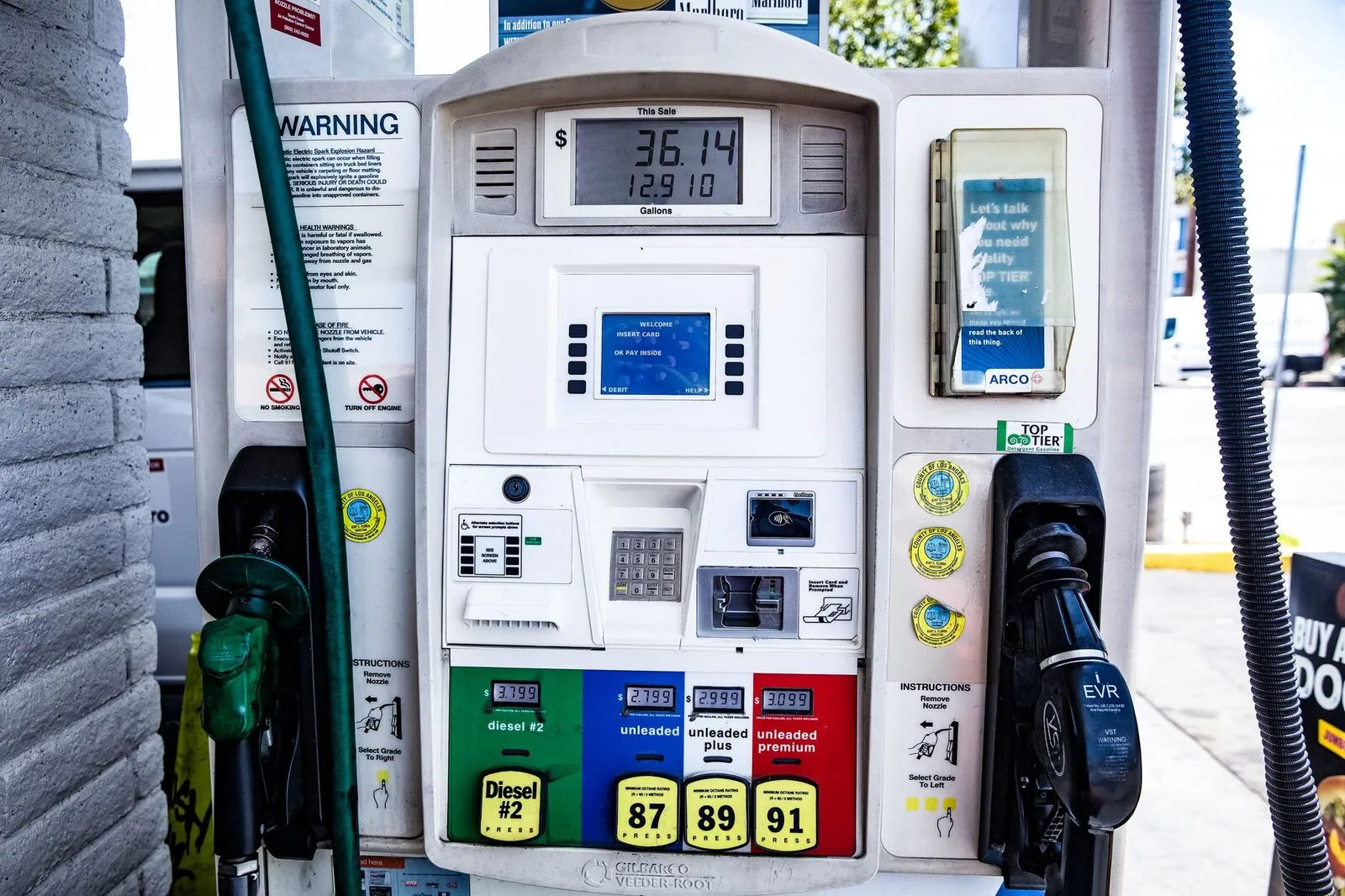
The Trump administration’s executive order to temporarily allow off-road diesel in highway vehicles and ease fuel taxes arrived this week with industry fanfare, but farmers say the relief falls flat. Most already have access to the cheaper off-road fuel they need, and many have already wrapped up their most diesel-intensive work for the season.
Investigate Midwest reported that while industry groups welcomed the policy, the Associated Press found farmers have long had existing access to off-road diesel, making the executive order largely symbolic in its farm-level impact. The timing compounds the problem: peak harvest has already passed in much of the Corn Belt and Plains, leaving the policy to chase a problem that’s already in the rearview mirror.
The real story isn’t about off-road fuel. It’s about what the policy doesn’t address: the year-round crush of input costs that’s been grinding farm profitability into dust. Purdue University’s ag economy barometer shows farmer optimism dropping as diesel and fertilizer costs stay elevated, even as land values hold steady. A sign that investors see opportunity where farm operators see red.
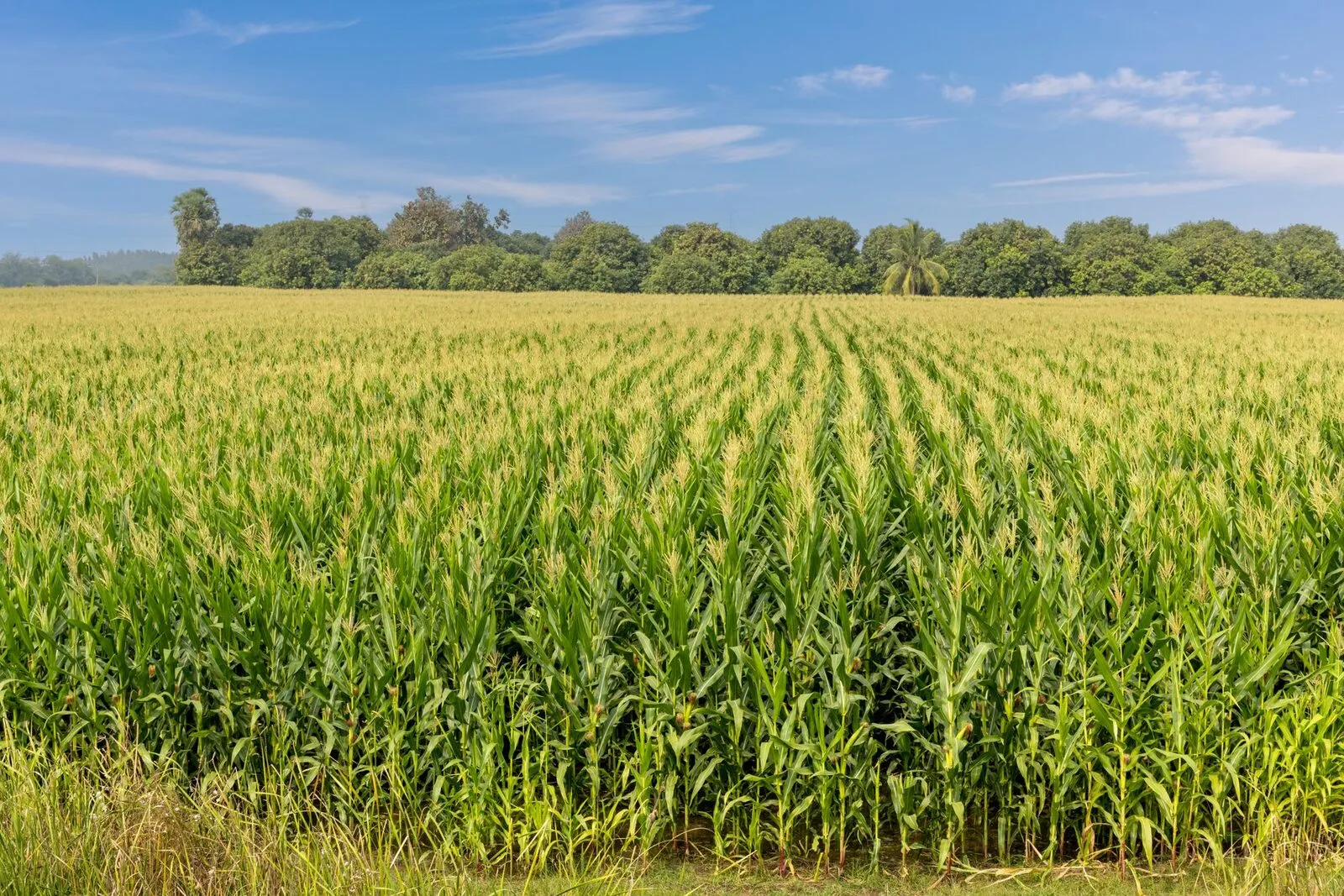
Diesel prices have been a millstone around farmers’ necks for months. Every percentage point increase cascades across the entire operation: fueling equipment, transporting inputs, hauling grain to market. A farmer running a 1,000-acre operation can see diesel cost swings of thousands of dollars annually. But unlike feed grains or commodity prices, fuel is a fixed cost that farmers can’t predict or hedge easily. They need what they need, when they need it.
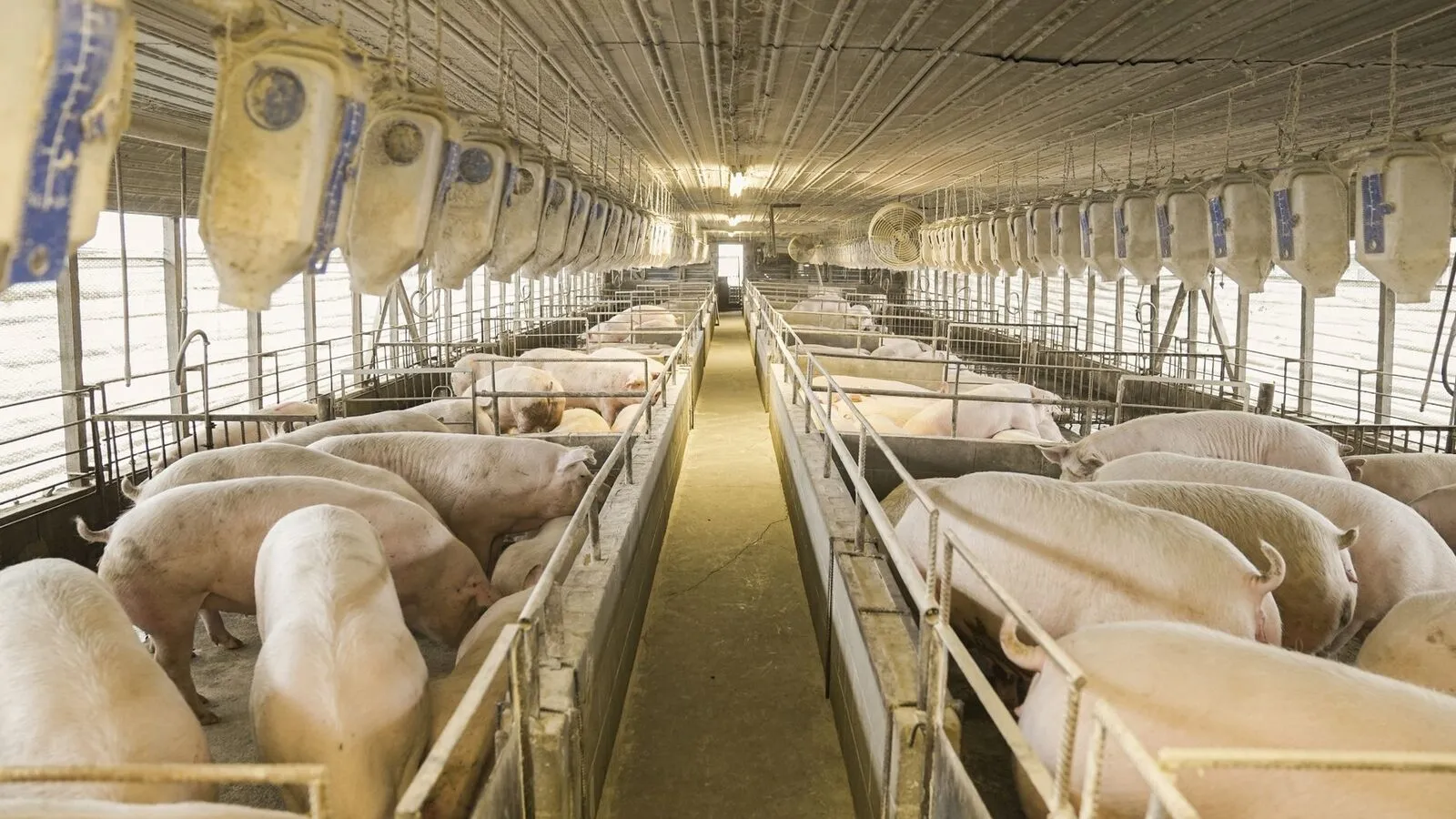
The problem runs deeper than fuel. From 2020 to 2025, hog farmers’ production costs surged 31%, and experts forecast potential losses of $22 per head in 2027, according to Farm Progress. This is part of a larger pattern we’ve been tracking. As we reported on farmers facing crushing debt amid market volatility, input costs continue to spike faster than farmer revenue. Our coverage of fertilizer-cost struggles showed farmers scrambling for strategies just to stay afloat. And the recent analysis on hog-farmer losses in 2027 confirms the pain is spreading across livestock sectors too. Diesel is part of that bill, but so are feed, equipment maintenance, medication, and labor. A one-week fuel tax break can’t fix what structural underinvestment in farm support has broken over decades.
This is where the messaging gets tricky for the administration. Industry groups, hungry for any policy win, lined up to praise the order. But farm groups watching their members’ balance sheets know this is symbolic action masking policy inaction on the core issues: commodity price volatility, input cost inflation that outpaces farm income, and consolidation that leaves farmers with fewer buyers for their crops and fewer suppliers for their inputs.
The executive order also carries an expiration date, adding another uncertainty to a sector already drowning in them. A temporary fix to fuel taxes doesn’t help farmers plan for next year’s planting season or refinance debt they’re carrying now. Farmers need predictable, durable policy that either stabilizes input costs or creates enough pricing power for them to absorb the volatility. A one-off executive order does neither.
What might actually move the needle: addressing fertilizer costs that have farmers scrambling for strategies, enforcing antitrust action against equipment and seed consolidators, and considering whether commodity prices should be supported when production costs are rising faster than farm revenue.