Farm Progress America reports that Purdue’s ag economy barometer shows farmer optimism dropping sharply as diesel and fertilizer costs squeeze margins heading into the 2027 planting season. The pattern is stark: farmers who live and work the land are getting pessimistic while land itself keeps appreciating.
The gap matters. When a Purdue barometer reading signals pessimism from operators but optimism from investors, you’re watching an asset class decouple from the people running the production. Land prices are holding strong partly because of outside money moving in: data center developers are buying ag acreage for servers, not soil. That’s a warning sign for what happens to farming when the people with their hands in the dirt stop being the primary owners.
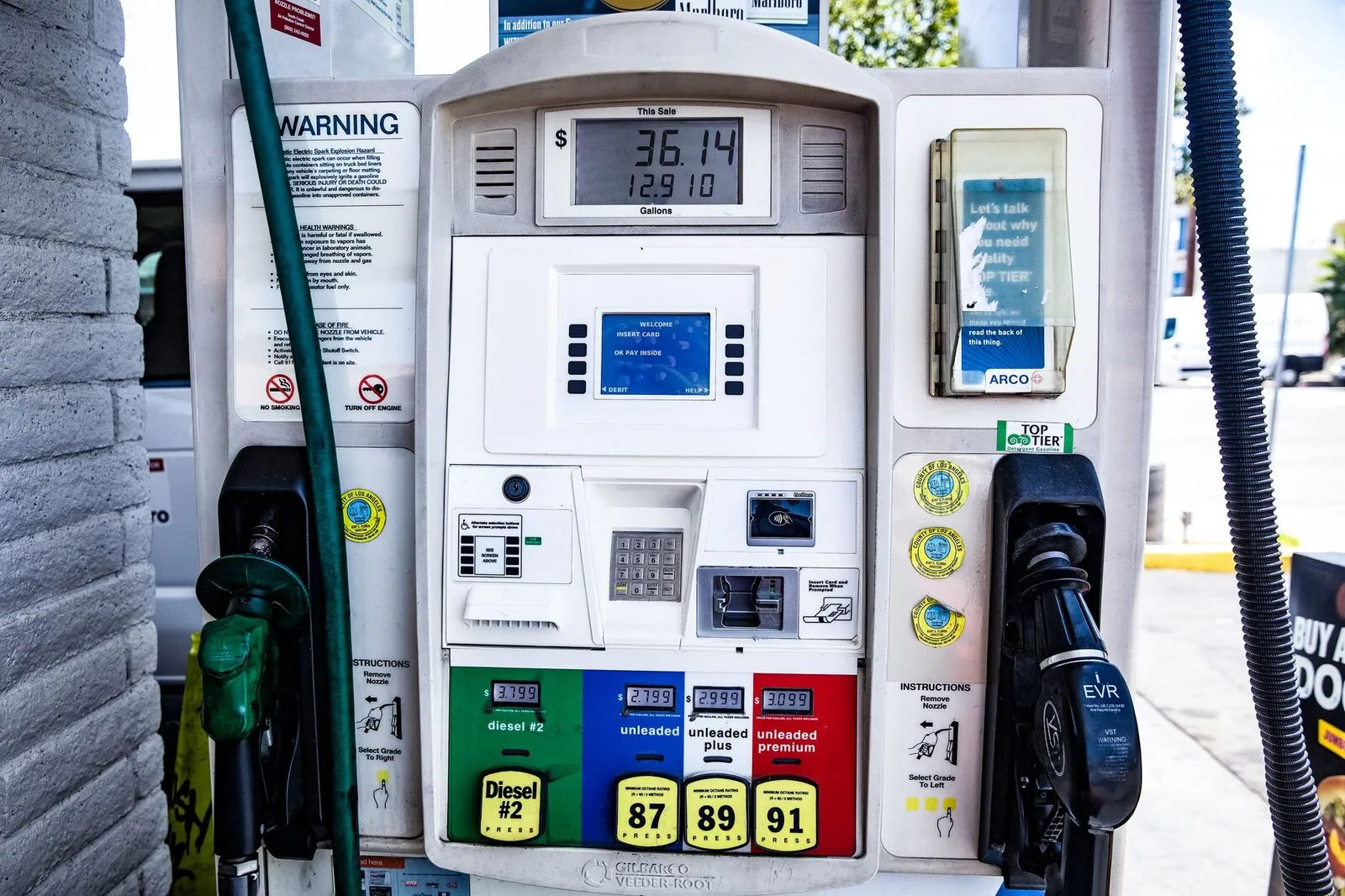
Diesel costs remain elevated after the Trump administration’s executive order to allow off-road diesel in highway vehicles. As Investigate Midwest reported, farmers already had access to that fuel, and many have already finished harvesting, which means the relief came late and for a problem already mostly past. But relief or not, the baseline cost is sticky. Fuel prices that were cheap in 2020 have become the standard, and farmers planning for next year factor in high diesel as a permanent fact.
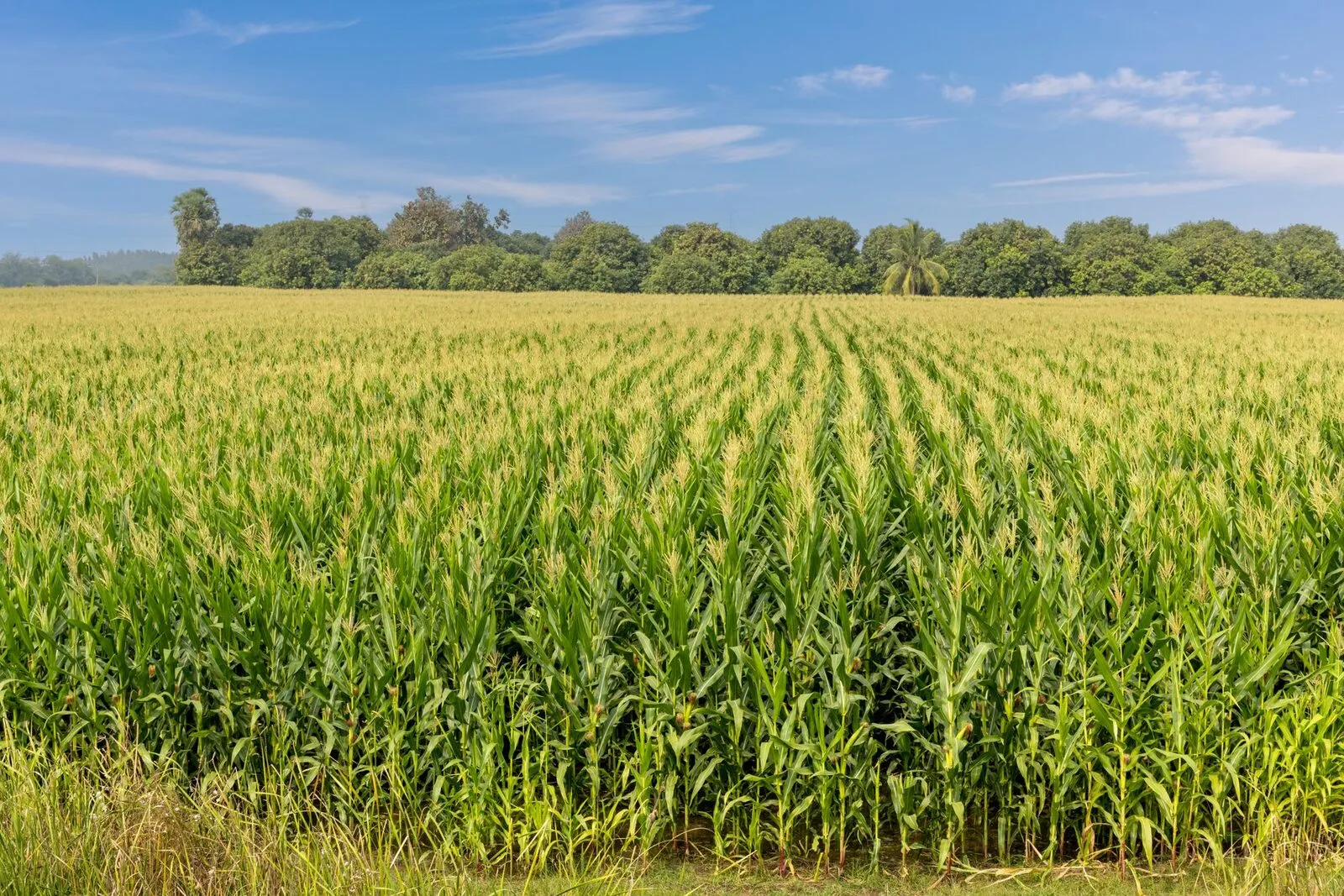
Fertilizer volatility is worse. A webinar from Farm Futures this week on fertilizer market strategy underscores how much uncertainty surrounds input costs. Farmers can’t lock in reliable pricing. They can’t predict what it will cost to plant 40 acres of corn. That unpredictability kills optimism faster than any single price spike.
The Purdue barometer is not a fringe indicator. It’s built from surveys of agricultural producers and reflects real decisions. When sentiment tanks, farmers spend less on new equipment, delay repairs, and cut back on input use per acre. That trickles through the whole rural economy: equipment dealers, co-ops, seed suppliers all feel it. Small towns notice it.
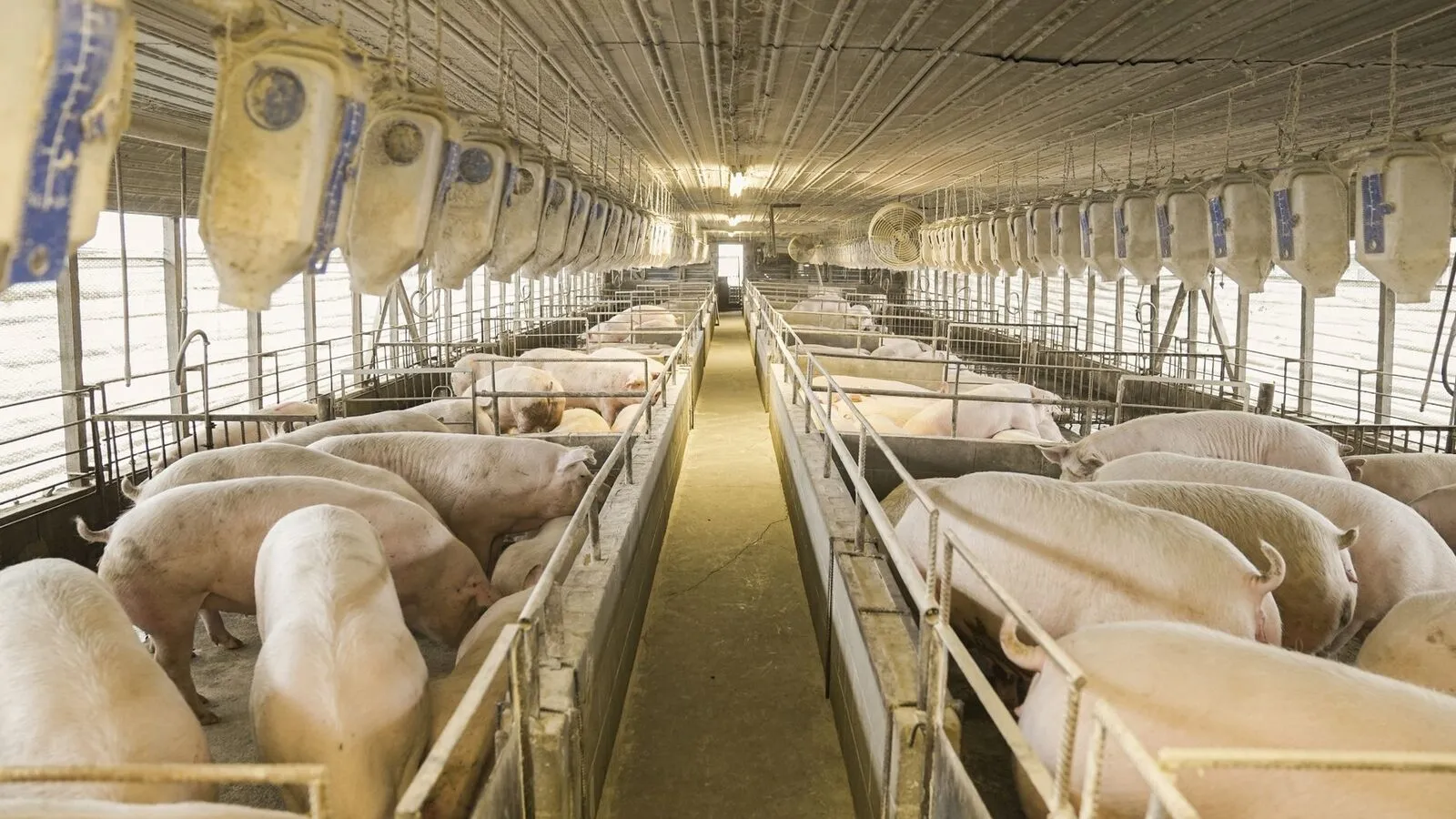
The hog sector is feeling it acutely. Production costs have jumped 31% since 2020, and forecasters expect losses of $22 per head in 2027, which means pig farmers are contemplating whether to stay in business at all. When losses that deep are the baseline, sentiment doesn’t just drop. It disappears.
What makes this moment different is the land price disconnect. In normal downturns, asset values and operator sentiment move together. A farmer gets pessimistic, land prices soften, and that pessimism is reflected in the balance sheet. Here, the balance sheet looks fine. Your 500 acres is worth more than it was three years ago. But your cash flow is collapsing. That’s not a balanced picture. That’s a signal that land prices are being driven by speculation, not productivity.
Data centers are a real phenomenon. In Iowa and the Midwest, tech companies are buying up rural acreage for server farms at premium prices. It changes the equation for generational ownership. A family farm that’s been in the same family for 80 years isn’t just competing against other farmers for acreage anymore. It’s competing against capital that operates on a completely different timeline and margin structure. Data centers can pay more because they don’t have to grow crops. The rent is the business.
The Purdue barometer is telling farmers that the gap between asset values and operating reality is real and growing. Sentiment reflects what farmers think will happen in the next six months. When farmers are pessimistic, they know something.
Related coverage: