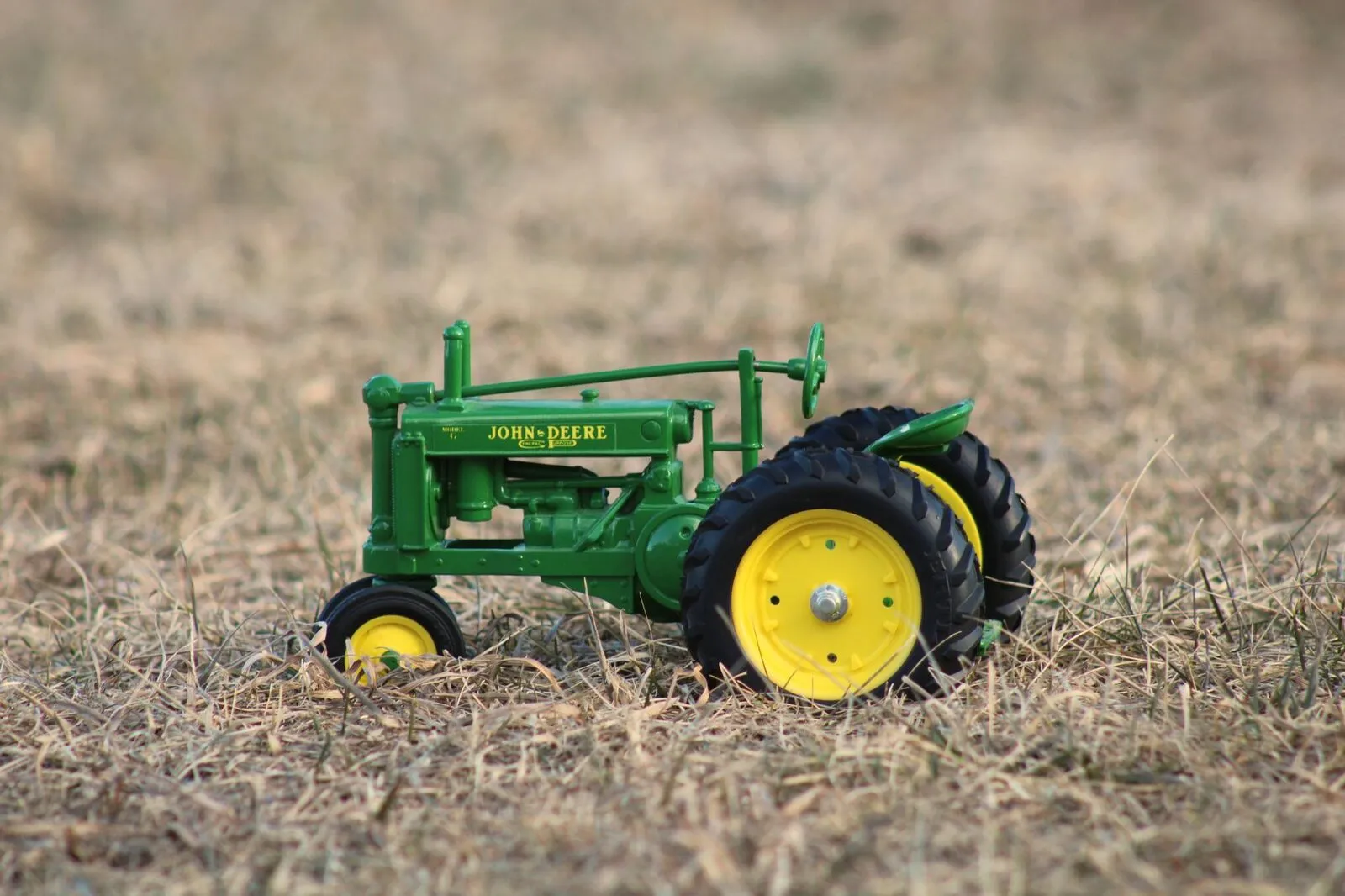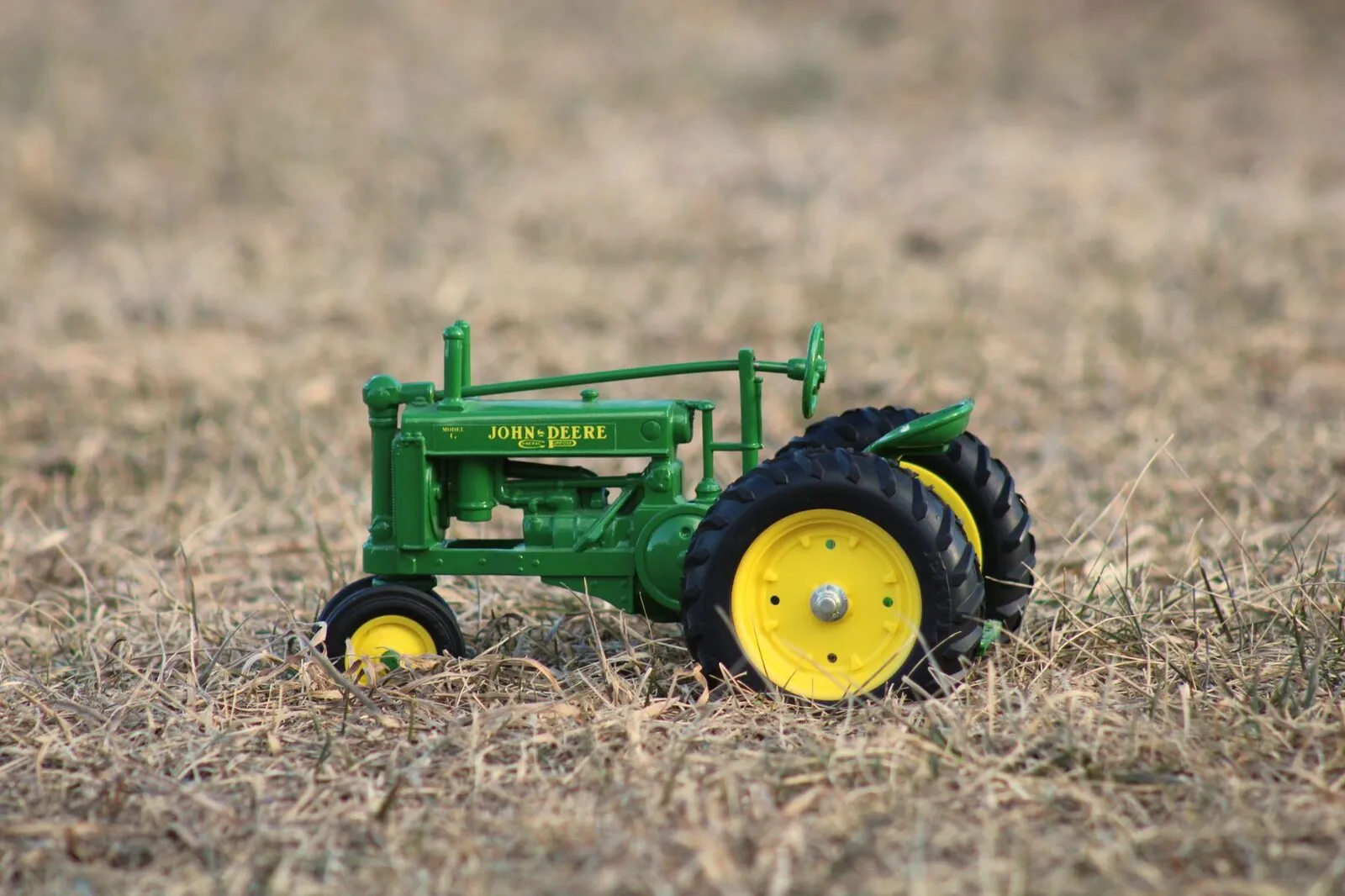
A July antitrust settlement has given farmers the clearest federal right-to-repair victory yet. The Federal Trade Commission and five states secured an agreement with Deere & Company requiring the manufacturer to give farmers and independent repair providers access to the same core repair resources available to authorized Deere dealers.
The agreement is concrete, enforceable, and limited. It applies to Deere for ten years. It does not create a permanent, industry-wide right to repair farm equipment. That gap is why advocates are again pressing Congress to act.
What the Deere Settlement Changes
Under the settlement, Deere must make dealer-equivalent repair resources available on fair and reasonable terms. Those resources include the ability to:
- read, clear, and reset electronic fault codes;
- reprogram components and pair newly installed parts with equipment;
- restart machines after emissions-related shutdowns; and
- search technical manuals, troubleshooting guidance, and product-improvement information.
Deere must also instruct its dealers to promote those resources, support their use, and avoid retaliation or discrimination against farmers and independent shops that repair equipment outside the dealer network. Reporting and oversight requirements give the FTC and participating states a way to police compliance.
That is a major advance from the repair restrictions at the center of the FTC’s original Deere case and a more durable result than a customer-service promise.
Why Advocates Still Want a Federal Law
A Daily Yonder commentary published August 25 argues that Congress should turn the settlement’s basic protections into federal law. The case is straightforward: a court order resolving one antitrust case binds one manufacturer for a defined term, while a statute could establish a national baseline across equipment brands.
The distinction also matters when describing the American Farm Bureau Federation’s role. Farm Bureau has worked on repair access, but its strategy has centered on voluntary agreements with manufacturers. Its 2023 memorandum with Deere described a private-sector alternative to legislation and committed Farm Bureau to discourage state affiliates from supporting requirements beyond the agreement.
That record does not make Farm Bureau absent from the repair fight. It does mean the latest call for congressional action comes from advocates and commentators—not a newly announced Farm Bureau reversal.
The Cost of Dealer-Only Repair
The FTC alleged that Deere’s software restrictions forced farmers to use authorized dealers for repairs, creating service delays and higher costs. Those delays are especially damaging during planting and harvest, when a disabled tractor or combine can erase revenue by the hour.
The Daily Yonder commentary cites a 2023 estimate that repair restrictions cost U.S. farmers as much as $4.2 billion per year in excess costs and lost revenue. Meanwhile, independent shops are gaining access to better diagnostic tools, showing what competition can look like when repair information is available.
Repair restrictions amplify every other pressure on family farms: debt, input inflation, volatile commodity prices, and narrow weather windows. The Deere settlement is a real win, but it is not the finish line.
What Congress Would Need to Do
An effective federal standard would guarantee farmers and independent repair providers timely access to parts, software, diagnostic functions, and documentation on fair terms. It would also need enforceable rules against retaliation and clear safeguards for safety, emissions controls, and genuine trade secrets.
The July settlement supplies a working template. Congress now has to decide whether repair access remains a ten-year remedy against one company or becomes a durable right for farmers using every major equipment brand.
Follow the continuing fight in our Right to Repair coverage.