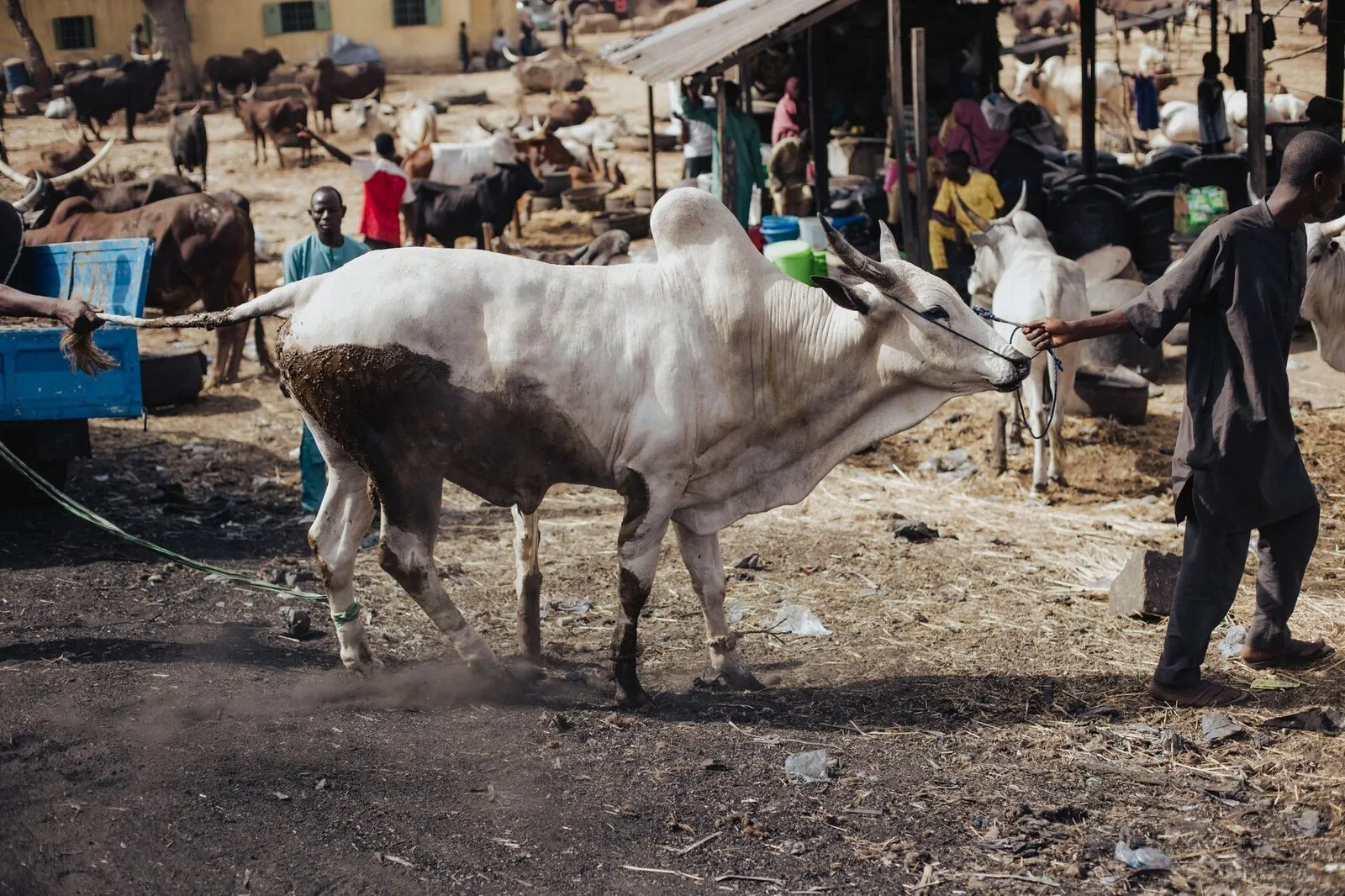
The USDA has reopened the first U.S. port to cattle imports after a year of border closures meant to contain the New World screwworm. Agriculture Secretary Brooke Rollins announced the move this week, clearing the Douglas, Arizona crossing for livestock from Mexico. For U.S. ranchers, it’s a forced choice: cheaper imported cattle, or the biosecurity risk that comes with them.
The screwworm is an invasive larval parasite that colonizes living tissue in livestock and wildlife. It’s endemic to Mexico and Central America but has been eradicated from the United States since the 1960s—a decades-long triumph of federal agriculture and sterile-insect release technology. Maintaining that eradication has required vigilant border control, quarantine protocols, and rapid response to any detection. For the past year, the USDA had closed ports to Mexican cattle as part of its response protocol.
Now trade economics are overriding biosecurity. Cattle prices have been volatile. Ranchers in the U.S. have been squeezed between high feed costs and volatile commodity markets. Opening imports offers cheaper livestock into domestic supply—a short-term relief valve for herd costs. But it shifts the disease-management burden directly onto the ranchers who buy those cattle.
Who Pays the Biosecurity Cost
If a rancher buys imported cattle carrying screwworm, isolation and treatment become his problem. Screwworm infestation requires aggressive antibiotic treatment, isolating affected animals, and disposal of infested tissue—all labor-intensive and expensive. A single screwworm outbreak in a herd can cost thousands in veterinary care, lost production, and prevention measures. Worse, if an infestation spreads into native wildlife—which screwworm is known to do—federal response becomes an emergency, and ranchers can face liability and operational restrictions.
The USDA maintains a surveillance network for screwworm detection, but surveillance isn’t prevention. A positive finding triggers quarantines, animal tracking, and costly eradication efforts. The cost of responding to an outbreak is distributed across industry and government, but the rancher holding infected cattle carries it first.
For large integrated ranching operations with veterinary staff and biosecurity protocols, importing cattle is a calculated risk—cheaper stock can still yield profit margins if disease burden is low. For smaller, independent ranchers without large reserve capital, the gamble is riskier. A screwworm outbreak could push a thin-margin operation into debt or closure.
This follows a broader pattern: agriculture’s consolidation trends mean cost externalities flow downward to smaller producers. Trade policies prioritize large supply-chain efficiency over individual rancher resilience. Import reopening benefits cattle feedlots and processors who buy cheap livestock; the disease risk lands on the ranchers selling into that supply chain.
The Timing Cuts Both Ways
The economic logic is clear: U.S. ranchers are strapped. Debt, feed costs, and volatile commodity prices have crushed profit margins. Cheaper imported cattle offer a way to rebuild herds without taking on more debt. But cheaper cattle come with an invisible cost: the risk of a screwworm incursion that federal agencies spent 60 years keeping out.
The tradeoff isn’t new to agricultural policy. Biosecurity and trade are always in tension. Opening borders means cheaper inputs but higher disease risk. The question is who assumes that risk. In this case, it’s individual ranchers making purchasing decisions in a competitive market—they can’t collectively refuse imported cattle, and individual abstention doesn’t move the needle.
Rollins’ announcement frames the reopening as a measured, monitored process. The USDA says it’s responding to “epidemiological data” and that protocols remain in place. But that’s the definition of externalization: the data looks good enough nationally that opening trade is defensible federally, while the localized downside risk lands on whoever buys those cattle.
What Comes Next
Ranchers can screen for screwworm in incoming cattle, but screening is imperfect. Latent infections can evade detection. Behavioral risk mitigation—quarantine periods, isolation protocols—adds cost and labor. Some ranchers will do it; others will buy without precautions, betting the odds stay low.
The USDA isn’t wrong that eradication infrastructure is robust. Detection networks, treatment protocols, and emergency response are better than they were decades ago. But “better” doesn’t mean “zero risk.” It means risk is being deliberately accepted at the policy level and pushed to individual ranchers who have to live with the consequences.
For a rancher already crushed by debt and feed costs, that’s another margin shaved—and another source of potential ruin standing at the border.
The USDA maintains a screwworm hotline (1-866-536-7593) for ranchers to report suspected cases. The agency recommends biosecurity protocols for any imported cattle, including quarantine and veterinary screening.