On July 1, 2026, the Trump administration formally declined to renew the United States-Mexico-Canada Agreement (USMCA)—the 25-year-old free trade pact that undergirds North American agriculture. The decision, signaled by the U.S. Trade Representative’s office, sets off a mandatory annual review process and a 10-year countdown before the agreement automatically expires, unless all three nations renegotiate.
For U.S. farmers, it’s a hammer hanging in the air.
What just happened
The USMCA replaced NAFTA in July 2020 and covers roughly $1.3 trillion in annual trade across North America. It eliminates most tariffs on agricultural goods moving between the three countries. Absent this agreement, those tariffs snap back—and the impact would be catastrophic for a farm economy already straining under debt and compressed commodity prices.
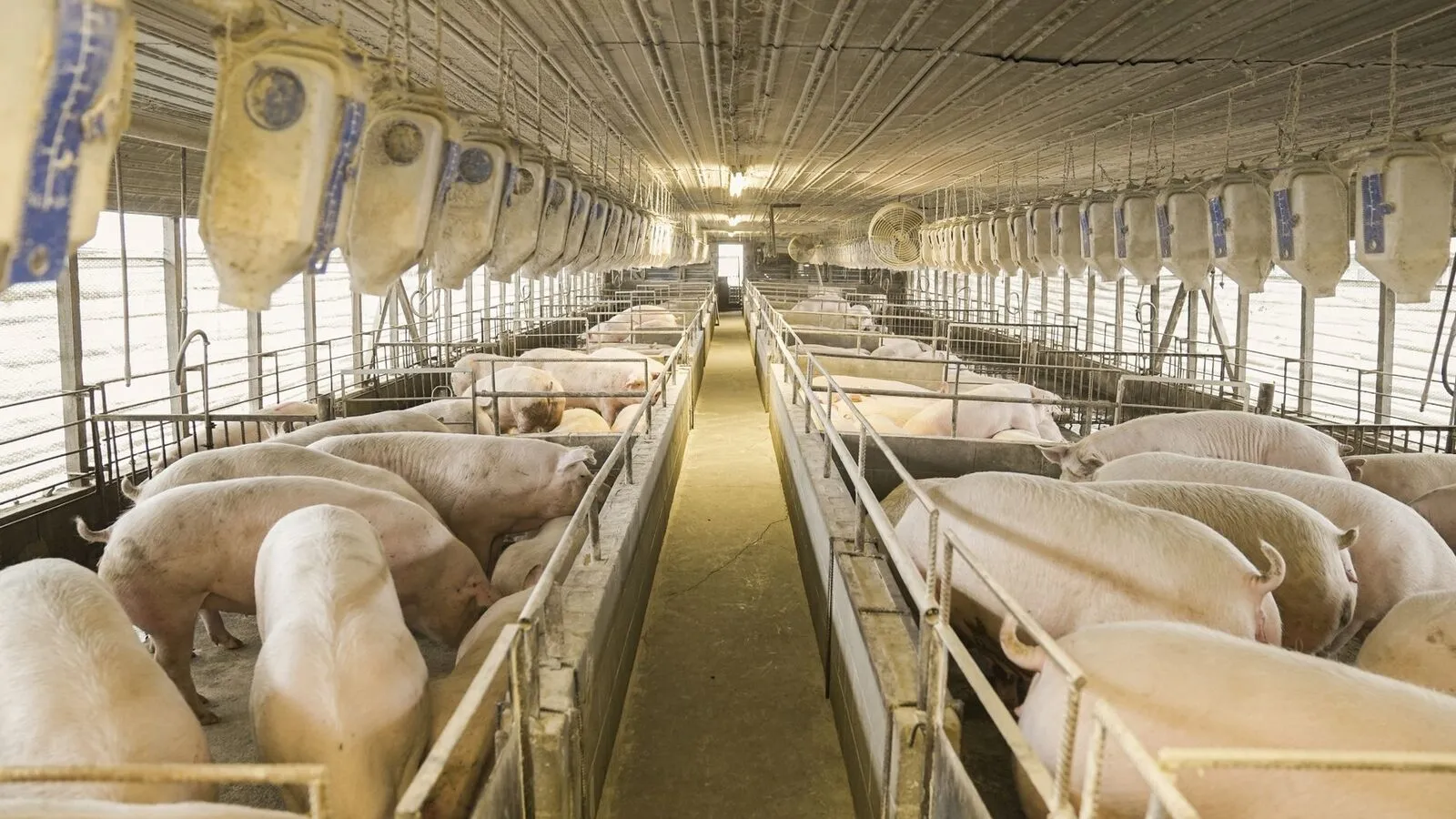
Mexico is the absolute top foreign buyer of U.S. corn. Canada is the largest international market for American ethanol. Together, Mexico and Canada account for one-third of all U.S. pork production exports. Losing tariff-free access to those markets would crater demand overnight and tank prices the farmers depend on for survival.
The Trump administration is not seeking a simple renewal. Instead, bilateral talks are scheduled to begin the week of July 20 with Mexico, with focus reportedly on tightening North American rules of origin for industrial goods. That signals the administration is willing to use the threat of pact expiration as leverage in renegotiation—leaving the outcome uncertain and farmers vulnerable to the outcome of negotiations they don’t control.
Why farmers should be panicking
Farm debt has already climbed to a record $624.7 billion in 2026, with Chapter 12 farm bankruptcies spiking 46% in 2025 and continuing to climb through 2026. Commodity prices remain compressed—soybeans failed to close above $12 November futures, and grain margins are thin enough that most operations can’t absorb unexpected shocks.
A tariff shock is exactly that kind of shock. If the U.S. and Mexico can’t reach new terms before 2036, tariffs on corn, soybeans, beef, pork, and dairy will reset to pre-NAFTA levels—in many cases, 20-30% or higher. A 25% tariff on U.S. pork to Mexico doesn’t just reduce the price American farmers get for pork. It cascades: fewer exports mean surplus supply domestically, prices crater, consolidation accelerates, and family operations that were barely solvent go under.
History offers a roadmap. When Trump imposed steel and agricultural tariffs in 2018, retaliatory tariffs on U.S. soybeans cost farmers roughly $5.6 billion in lost export value in 2018 alone. The USDA had to hand out over $28 billion in emergency payments to keep the farm sector from collapsing. A tariff shock on this scale would crater farm viability far beyond what current policy interventions can fix.
What happens now
The administration signaled that Mexico and the U.S. will begin bilateral trade negotiations the week of July 20. Canada hasn’t been mentioned. That suggests the talks could result in a bilateral U.S.-Mexico pact and a separate U.S.-Canada agreement, or potentially exclude one partner—a fragmentation that would leave the three-nation architecture that agriculture has built supply chains around in tatters.
For farmers, every day the agreement remains unsigned after 2036 is a day tariffs are in effect. The uncertainty alone is economically damaging: bankers won’t lend as readily when commodity prices are volatile, and farmers can’t plan multi-year investments if trade policy is in flux.
The administration frames this as leverage for a better deal. But farmers remember 2018. They remember that negotiations take years, that leverage sometimes means waiting out supply shocks, and that when tariff wars begin, agriculture gets hurt first and compensated last.
For an industry already crushed by input costs, structural debt, and consolidation, ten years of uncertainty is time the farm economy cannot afford to lose.