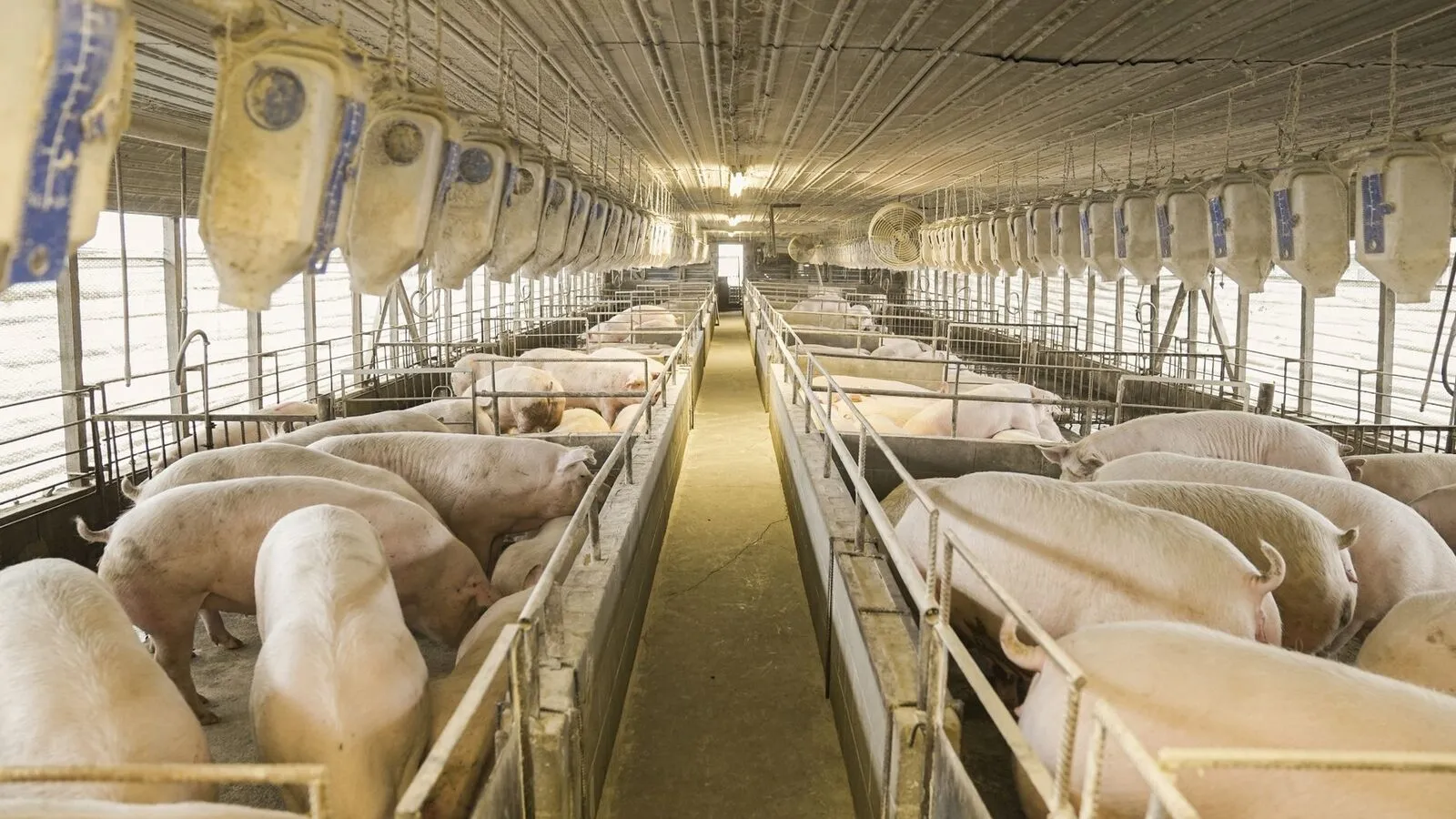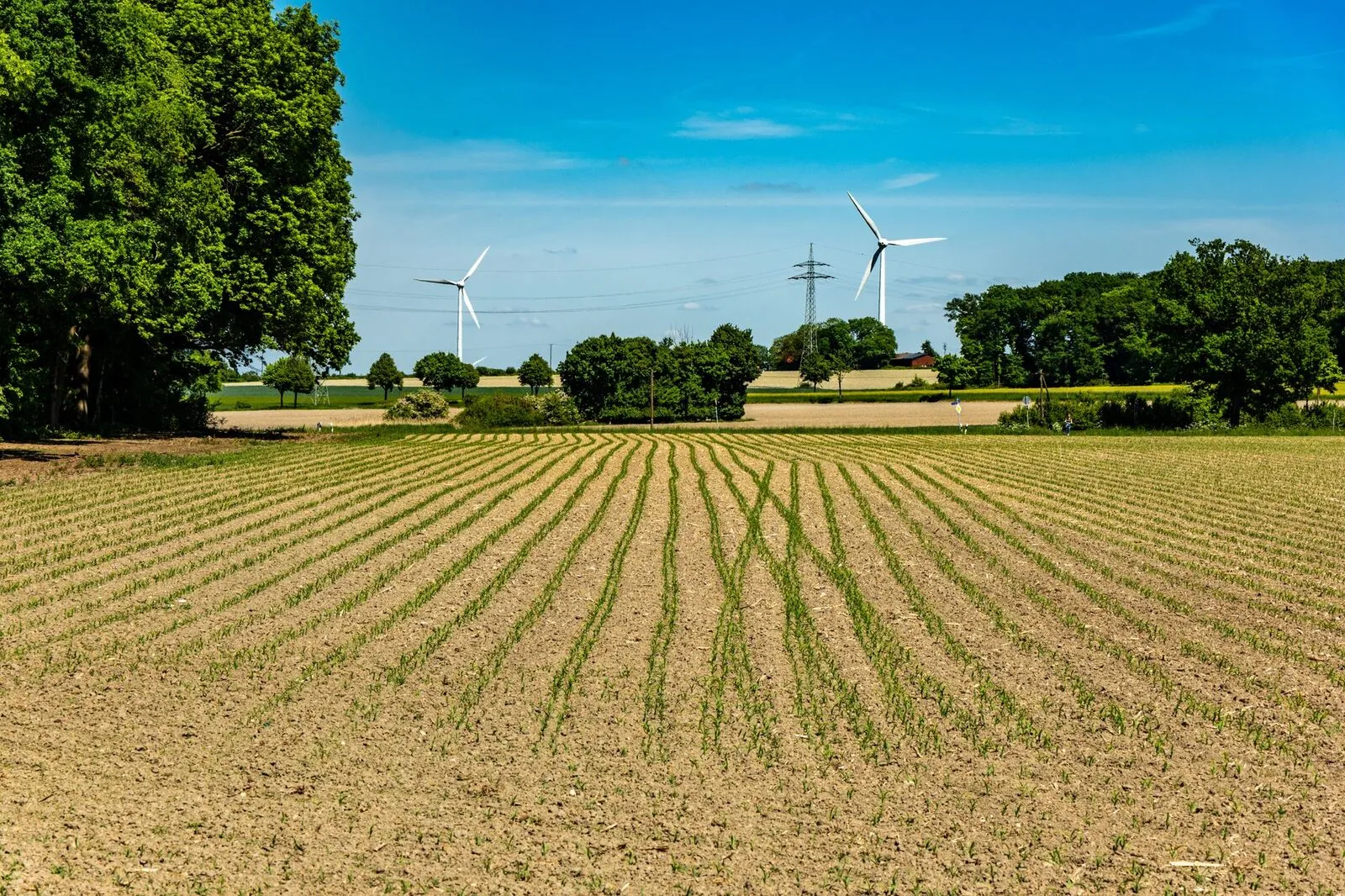
The average American farmer is 57 years old. That fact sits behind most of the farm crisis nobody is talking about yet: what happens when those farmers retire or die, and their kids face a balance sheet that looks like a nightmare.
Farm planning experts are raising the succession question urgently, because the math is unforgiving. A typical mid-sized farm carries $500,000 to $2 million in debt—mortgages, equipment loans, operating credit lines. When a farmer dies or retires, that debt doesn’t disappear. It gets inherited.
For the next-generation farmer, the choice is stark: assume the liability, refinance at current rates (likely higher than the previous operator locked in), and hope commodity prices cooperate. Or walk away from the family operation and watch the land get sold to the highest bidder—often a consolidator, an investor fund, or a neighbor with deeper pockets.
The geometry of farm debt
The succession problem is structural. Farm debt has been climbing for years, driven by rising input costs, equipment inflation, and the simple fact that small and mid-sized operations can’t compete on scale with industrial ag. A farmer who took out a $300,000 mortgage in 2010 at favorable terms is holding a note that looks cheap in hindsight. But the family inheriting that same farm in 2026—even with the lower payment—is taking on liability in an entirely different interest-rate environment.
The tax code makes it worse. When a farmer dies, the estate faces capital gains if the land has appreciated. That tax bill often forces heirs to sell or refinance just to cover what they owe the government. The farm that’s been in the family for three generations gets liquidated, not because anyone wanted to sell, but because the tax mechanics of death require it.
Who’s prepared?
The answer is almost nobody. Farm planning and estate management are expensive, and most family farms don’t have the cash to afford formal succession planning with attorneys and accountants. So they skip it. The operator runs the farm until they can’t, and then the crisis lands on whoever’s left.
This is a demographic cliff. A substantial portion of American farmland will change hands in the next ten to fifteen years as the current generation ages out. The question is whether that transfer happens in an orderly way—with young farmers inheriting and continuing to operate the land—or in a fire sale that consolidates it into fewer, larger, more heavily capitalized operations.
Policy and capital both favor the latter. Consolidation has been the direction of agriculture for decades. Big operations buy distressed land cheaply. Debt and input costs crush the middle-scale farms that can’t afford succession planning or the refinancing that comes with generational transfer.
Young farmers have been organizing, filing lawsuits, and pushing for policy that makes it possible to inherit and operate. But the structural forces pushing consolidation are stronger than the legislative will to resist them. No USDA program makes it easy for a 30-year-old to assume her parents’ $1 million debt load. No policy caps what consolidators can pay for distressed farmland.
The land question
This matters beyond farming. When farmland changes hands to financial firms or out-of-state consolidators, the incentive structure shifts from “operate this land sustainably so it produces next year” to “maximize return before exit.” Soil health, water management, and long-term stewardship become secondary to extracting profit in the narrowest time horizon.
Young farmers and co-ops are building alternatives—regenerative operations, cooperative ownership models, land trusts that decouple land value from operating debt. But these are islands in a consolidating ocean.
The succession crisis is coming whether policymakers name it or not. In the next decade, a generation of farm operators will step aside. What replaces them—family continuity, cooperative ownership, or just another roll-up for the consolidators—depends on choices Congress and the USDA haven’t made yet.
They’re running out of time to decide.