The Fourth of July barbecue is an American tradition. This year, the sticker shock is historic.
Beef prices have climbed to record levels in 2026, driving up the cost of a family cookout as Americans fire up their grills for Independence Day. The average price of beef at retail is higher than it’s been in years. Steaks, ground chuck, brisket—all of it costs more.
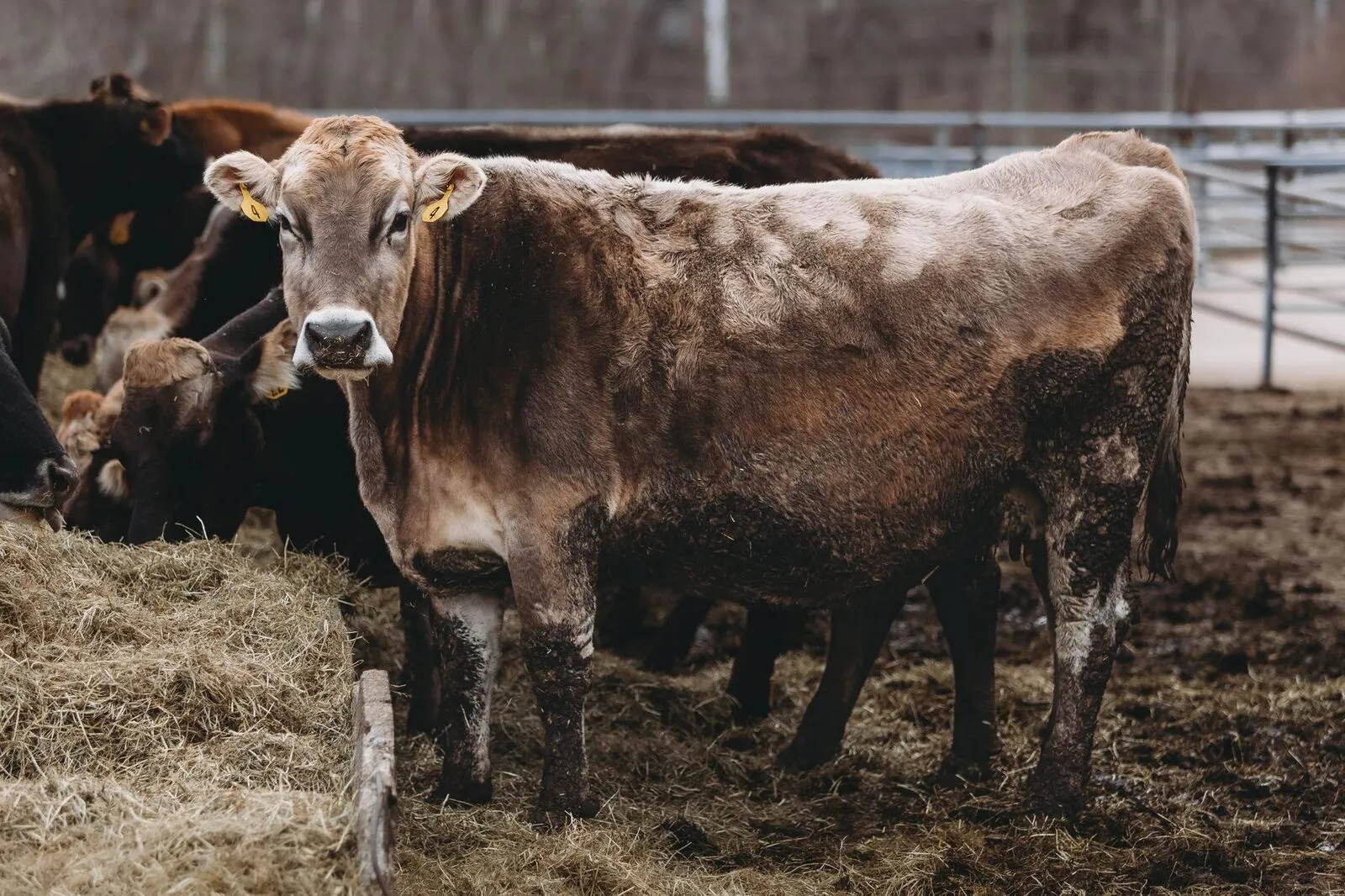
Here’s the thing: the ranchers who raise those cattle aren’t celebrating. They’re barely breaking even.
This is the permanent structure of industrial agriculture. Consumers pay more. Farmers get less. The gap between what you pay at the supermarket and what a rancher receives at the sale barn widens every year, and it’s being engineered that way.
The cattle market in 2026 tells that story in real time. The herd-rebuilding cycle is underway, with ranchers holding onto breeding stock instead of sending cattle to slaughter. That’s supposed to mean fewer cattle on the market, lower supply, higher prices. And prices have risen—but the gains have gone almost entirely to the middle.
Grocery chains and meatpackers are the middle. Four companies—Tyson, JBS, Cargill, and National Beef—control roughly 80% of U.S. beef processing. They set the prices they pay to ranchers (the live-cattle market) and the prices they charge retailers (the wholesale market). They pocket the difference. For retailers, it’s pure margin: beef is a traffic driver. People will pay more for it, and when they do, grocers don’t pass much of that money back to producers.
The math is brutal. A rancher who sells a steer today gets paid for live weight—typically 60-70% of the retail price of the meat that steer will yield. But the rancher also paid for three years of feed, pasture, veterinary care, and infrastructure. Input costs have stayed elevated even as commodity prices have stalled. Most ranching operations operate on margins thin enough to fit under a fingernail.
Meanwhile, the consumer is angry about grocery prices. They should be. But the anger is usually aimed at the wrong place. It’s not the rancher hiking prices—it’s the processor and retailer capturing the spread. Wall Street has been watching this closely. When farmers can’t compete, their land goes up for auction. When land goes up for auction, private-equity firms and foreign investors buy it.
That’s the long game. In the short term, it means Independence Day—a day built around backyard barbecues—has become a live-action demonstration of how broken the farm economy is. You’re paying record prices for beef. The family ranch that produced it is bleeding money.
The irony is sharp: the rancher who raised that steer can’t afford to throw a cookout of their own.
The solution isn’t cheaper beef—it’s a farm economy where producers actually see a return on their work. That means breaking up concentrated meatpacking power, bringing antitrust enforcement to industrial agriculture, and building alternatives like direct-to-consumer sales and regional processing networks. It means defending the rancher’s share of the price you’re paying.
Until then, when you bite into a burger this weekend, remember: the person who raised that cow is probably worrying about next quarter’s feed bill.