The cattle market is a language. Every decision a rancher makes—what to sell, what to hold, when to breed—gets written into the auction data. Midyear 2026 cattle auction receipts are telling a story that matters far beyond the sale barn.
The headline: steer sales are rising. But heifer share has dropped to 39%. And that tells you everything you need to know about rancher desperation.
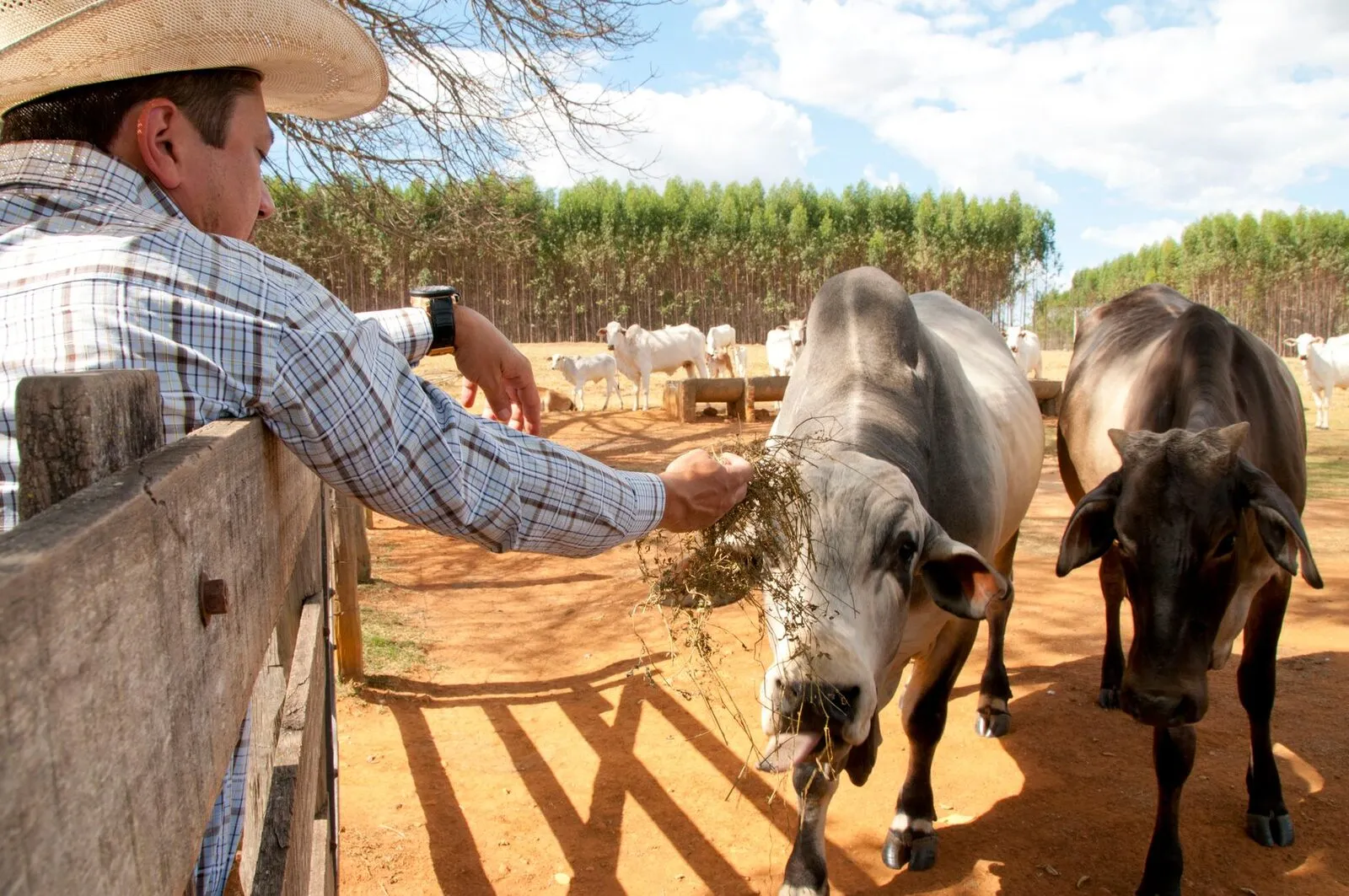
Here’s the logic. In a healthy cattle cycle, ranchers cull cattle at a normal rate—selling older cows, underperforming animals, and young stock that don’t fit the breeding plan. Herds stay stable. But right now, producers are holding back heifers—young female cattle that would normally go to slaughter. Those heifers are being kept for breeding, which means the rancher is saying: “I’m betting that rebuilding my herd will be more profitable than selling these animals today.”
That bet reflects real stress.
A heifer you hold back doesn’t generate income for 2-3 years. You feed her for a year before she’s even old enough to breed. Then another nine months before she produces a calf. Only then do you get paid. Meanwhile, input costs—feed, veterinary care, fuel, fencing, water—keep climbing. Feed costs have stayed stubbornly high even as commodity prices wobbled, which means the rancher isn’t just betting on a future payoff; she’s gambling with negative cash flow right now.
Only a rancher with serious pain makes that bet. The alternative—selling heifers today and taking cash—would be the obvious move if the present were profitable. Instead, ranchers are choosing future uncertainty over present survival. That’s a sign of current weakness, not future optimism.
The numbers back this up. Heifer retention at 39% is low enough to signal trouble, but not low enough to signal the herd rebuild that should be underway. If ranchers were confident in profitability, you’d see even more heifers held back—a major signal that expansion is coming. Instead, the market shows a partial hold: some heifers kept, but not aggressively. It’s the posture of a player running low on chips, making a risky play but not going all-in.
What this means in practice: ranchers are caught between impossible choices. The cattle herd has been shrinking due to drought, culling pressure, and low profitability. To rebuild, you need to hold heifers and accept years of negative cash flow. But you also need to service debt: ranch debt has climbed over the past decade, and lenders expect regular payments. Holding heifers reduces this year’s cash flow, making debt service harder.
So ranchers are doing both: holding some heifers, but not enough to rebuild rapidly. It’s a compromise born of constraint. And it shows why the cattle market is fragile.
If input costs stay high, more ranchers will break the compromise. They’ll start selling heifers just to generate cash. That floods the market, prices drop, and the rebuild stalls. Or lenders tighten credit, forcing more sales. Or ranchers simply walk away. The average beef operation operates on margins that have compressed by half over two decades; that’s not sustainable indefinitely.
Meanwhile, consumers pay record prices for beef, but none of that premium is reaching the rancher. The gap between what you pay at the supermarket and what a producer receives at auction has widened dramatically. That gap is being captured by processors, retailers, and distributors—the consolidated middle of the supply chain that has the power to set both prices.
The cattle auction data is a mirror held up to that reality. Ranchers are signaling stress through the only language available to them: their market behavior. Holding heifers is not confidence. It’s survival mode.
The real question is what happens next. Young farmers building alternatives and co-ops organizing for collective power are working to break the consolidation pattern, but ranchers caught in the debt cycle don’t have time to wait for systemic change. They need cash flow today. If the margin stays crushed, the compromise fails. The herd doesn’t rebuild. Producers get smaller or exit. And consolidation accelerates.
The auction data will tell that story in real time. Watch the heifer numbers. When they drop toward historic lows, you’ll know the rancher’s gamble has failed.
Market analysis based on Beef Magazine’s midyear 2026 cattle auction receipts and USDA agricultural economic data.