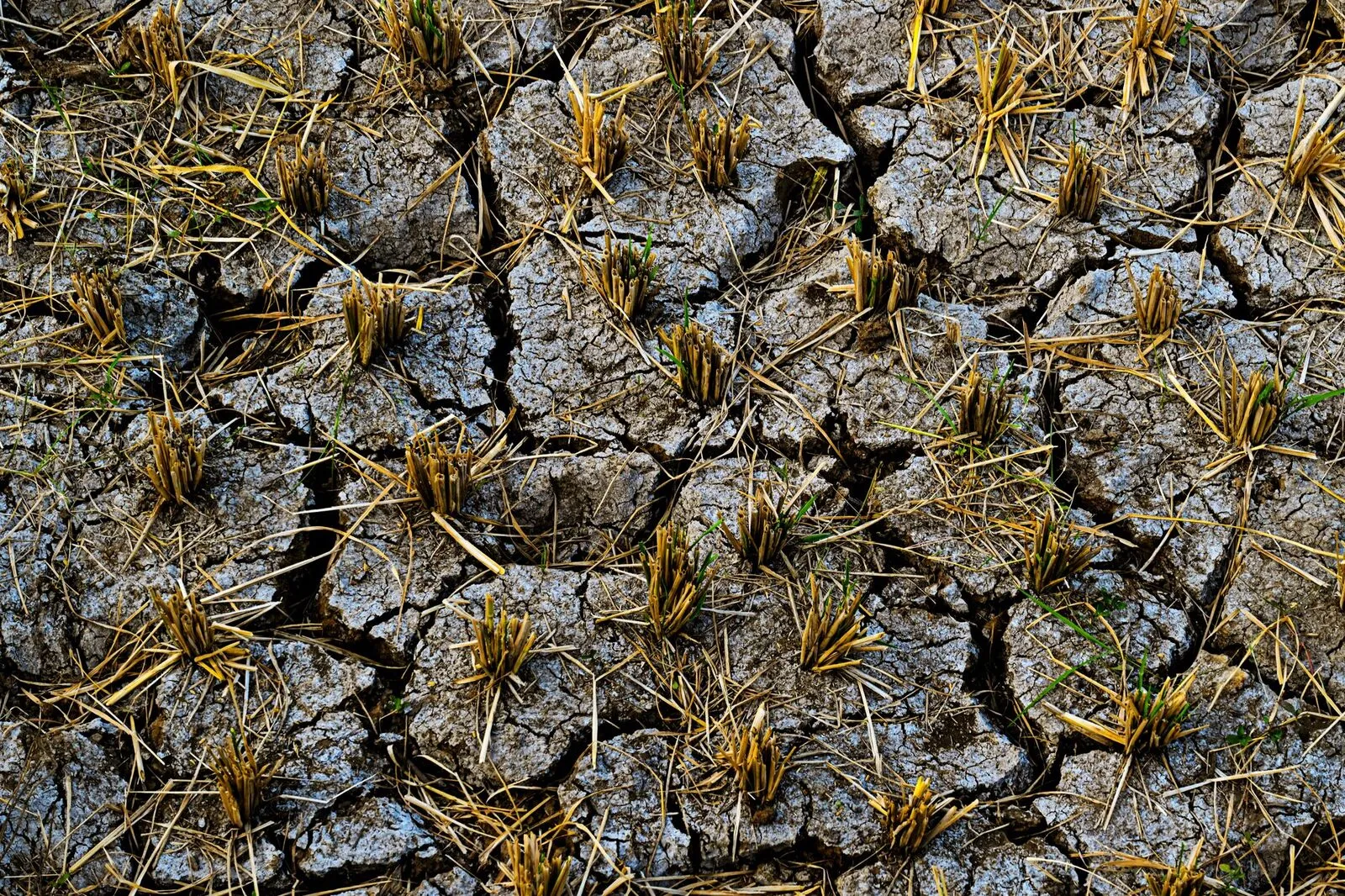
Up to 40% of eastern Colorado’s wheat acres will be abandoned this season after late-season freezes destroyed grain in drought-stressed crops, leaving farmers with nothing to harvest. It’s a disaster compounded: two-year drought followed by a killing freeze just as the crop was reaching maturity.
The farmers affected face a wreckage of math. They spent on seed, diesel, equipment time, and inputs for a field. They got a crop that looked like it might make it to harvest. Then the freeze hit, and suddenly that field produces nothing—but the debt remains.
In agriculture, this is called “crop failure,” but the term misses what it actually means: a farmer took a calculated risk that the weather would cooperate. The weather didn’t. The input costs don’t disappear. The operating credit the farmer borrowed in spring still has to be repaid in fall. And if the harvest fails, the cash that was supposed to flow back to pay that debt simply doesn’t exist.
Drought, then freeze
Eastern Colorado has been in drought for two years. That stress left wheat crops vulnerable—shorter, weaker, less able to recover from shock. The region’s water constraints are structural now, driven by competition from municipalities, declining groundwater, and a warming climate that’s shifted precipitation patterns.
Farmers in that region were doing what farmers do: adapting. Some shifted crops. Some irrigated more aggressively, pulling harder on wells already running low. Some just accepted lower yields and hoped commodity prices would compensate. The calculus has been brutal—input costs have stayed high even as commodity prices wobbled, which means the margin for error has narrowed to almost nothing.
Then the freezes came. Late May and early June freezes are rare in Colorado, but the warming climate is making late-season freezes happen at times when crops are more vulnerable, not less. The wheat was already stressed. The freeze killed it outright.
The cost of failure
A wheat crop in Colorado typically costs $80–120 per acre to produce—seed, fuel, fertilizer, equipment, labor, pesticides, irrigation if needed. A farmer with 2,000 wheat acres spent $160,000–240,000 to plant and manage that crop. If the whole thing is abandoned, that’s $160,000–240,000 in sunk costs and zero revenue.
Most farmers don’t have that much cash lying around. They borrowed it. The operating loan they took out in spring assumed a harvest in July. Farm debt climbed over the past decade as input costs rose and commodity prices stayed suppressed, which means the debt load is heavy relative to what farmers can reliably earn. A failed crop doesn’t just wipe out this year’s income. It threatens next year’s operating credit—lenders tighten terms or deny new loans to a farmer who just lost a crop.
In the worst case, crop failure triggers a debt spiral. A farmer needs to borrow to plant next year. But the bank has seen this year’s failure and is less willing to lend. Or lends at higher rates. Or demands collateral the farmer doesn’t have. The farmer borrows from a different lender at worse terms. Or takes out a high-interest operating loan from a credit company. Or stops being able to borrow at all and tries to operate on cash, which is impossible at modern scales.
Young farmers facing their first major crop failure are being driven into bankruptcy. Mid-size operations that weathered past downturns are running out of equity to borrow against. Consolidators and land speculators watch the auction lists for distressed sales.
Abandon or fight on
When a Colorado farmer abandons wheat acreage, it’s not because they gave up. It’s because the math of harvest—the cost of combining and hauling a worthless crop—exceeds the value of whatever grain they can salvage. It’s rational. It’s also catastrophic for the year’s economics.
Some farmers will file for crop insurance claims. But federal crop insurance was designed for normal crop failure, not systematic climate stress. Coverage is expensive, payouts lag by months, and policies are structured to cover “reasonable” losses, not total wipeouts in a region where total wipeouts are becoming normal.
Others will take the loss and hope to plant something in the same field next year. But that requires surviving this year’s debt crisis first—and many won’t.
Colorado’s wheat farmers have been organizing through cooperatives and commodity groups to push for drought relief and climate adaptation funding, but disaster relief is reactive, not preventive. A farm that collapses in July doesn’t benefit from August aid. The damage is already done.
The real question is whether this becomes an outlier or a pattern. As the climate warms and weather becomes more volatile, late-season freezes and droughts are hitting more often. If eastern Colorado faces another two-year drought in the next five years, more farmers won’t be able to absorb the loss. They’ll exit farming, sell land, or be forced into consolidation.
The structural forces pushing consolidation are stronger than the legislative will to resist them. Climate is now one of those forces.