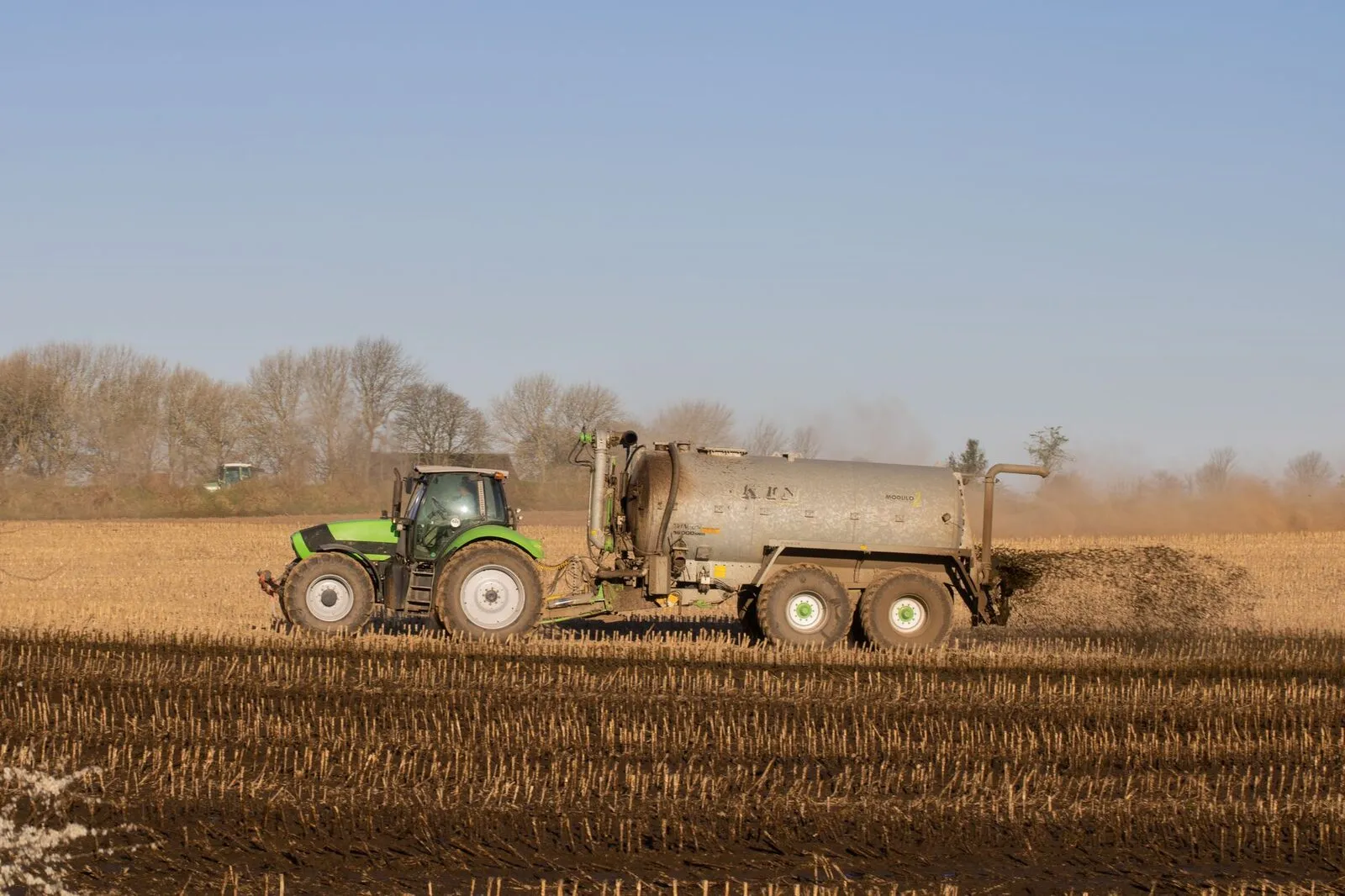
The USDA is taking direct aim at one of the farm economy’s most persistent pain points: fertilizer costs. On July 1, Secretary of Agriculture Brooke L. Rollins announced the Fertilizer Investment & Expansion for Long-Term Domestic Supply (FIELDS) program, a $500 million effort to expand domestic nitrogen, phosphate, potash, and sulfur production.
The timing is deliberate. Fertilizer prices have been a major driver of farm debt, eroding already-thin margins for grain, vegetable, and commodity operations. The average farm’s fertilizer bill has doubled since 2020, squeezing capital reserves that farmers need to service debt or invest in equipment. For farmers operating on 2–3% margins, that squeeze translates directly into bankruptcy risk.
The supply-chain bet
The FIELDS program operates through USDA Rural Development and the Commodity Credit Corporation, making grants between $15 million and $150 million to manufacturers and cooperatives willing to build or expand fertilizer facilities. Individual awards are competitive; the USDA will prioritize projects that strengthen supply-chain resilience, support domestic competition, and improve long-term affordability.
The theory is straightforward: if more fertilizer is produced domestically, prices fall, farmer input costs shrink, and the debt spiral eases. It’s a bottom-up theory of farm stability—address the cost structure that’s driving Chapter 12 filings rather than just lending more to farmers already drowning in debt.
Farm bankruptcies surged in the first half of 2026, with over 150 Chapter 12 filings across the country, the highest pace since 2020. Input costs are not the only pressure—commodity prices remain compressed, interest rates are high, and many operations carry structural debt loads—but they’re a lever the USDA can actually pull.
What the money covers
Applicants can seek funding for construction of new facilities, expansion of existing capacity, improvements to storage and transportation infrastructure, and retooling for alternative nutrient sources. The program explicitly targets nitrogen, phosphate, potash, and sulfur—the big four inputs that determine whether a corn, soybean, or vegetable operation breaks even or goes under.
The application deadline is August 15, 2026, and applications must be submitted through Grants.gov. Eligible applicants include private companies, cooperatives, and state and local governments. The USDA is also signaling a preference for projects that reduce geographic concentration in fertilizer manufacturing—currently clustered in a handful of states and dependent on volatile import markets.
The real question
Whether $500 million moves the needle is an open bet. U.S. agriculture uses roughly 25 million tons of fertilizer annually. A new production facility takes three to five years to build and costs hundreds of millions per site. The grants will likely support a few facilities, not a nationwide overhaul.
But the signal matters. A decade of consolidation and cost-cutting has left American agriculture dependent on imported and imported-phosphate products, with domestic capacity underinvested. FIELDS says the USDA believes that’s a problem worth solving—and that input-cost relief is a legitimate lever for farm viability.
For farmers already crippled by debt, it’s a gamble that Congress and the USDA can actually address the math before the next wave of forced liquidations hits. The clock is ticking. Many operations don’t have three to five years to wait for new fertilizer plants to come online.