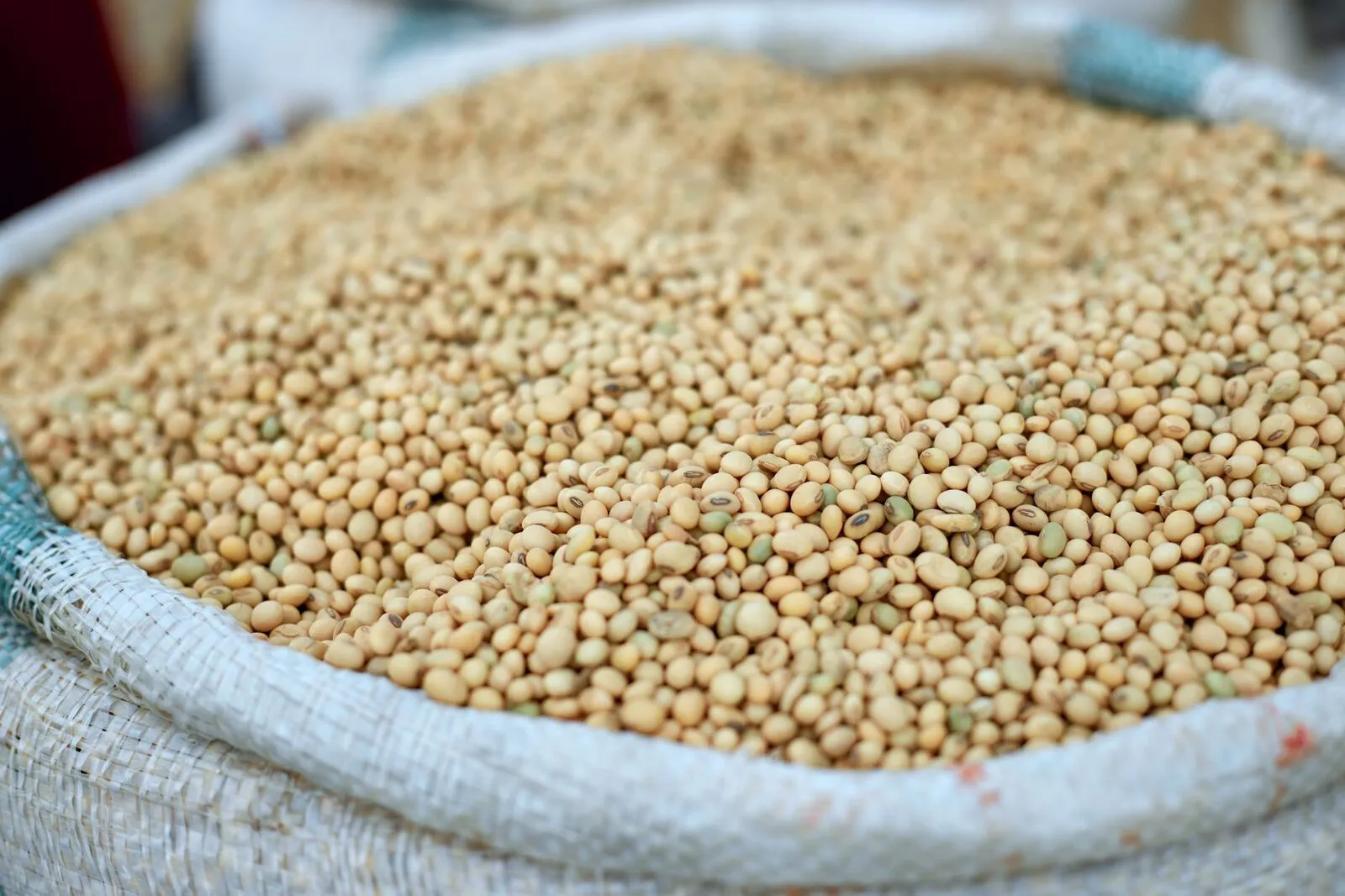
After nearly a year of buying silence, China is placing soybean orders from US farmers again. The country that buys roughly one-third of US soybean exports resumed purchasing in June under a new trade agreement that ended its purchasing freeze—a move that has lifted prices and temporarily eased the pressure on grain farmers already squeezed by debt and input costs.
But beneath the relief lies a fragile arrangement. Soybean prices have ticked upward from 2025 lows, and planting is in the ground with cooperation from the weather. Yet farmers recognize the deal’s precarity: one policy reversal or trade spat could snap purchases back off, and with them, the narrow margin that keeps farms solvent.
“The morale is higher,” Investigate Midwest reported, capturing the cautious optimism across soybean country. But the phrase that cuts deeper is the futures outlook: “daunting.” China’s resumed demand hasn’t solved the structural problem—that farm debt continues to spiral and commodity markets remain unpredictable. The deal is a reprieve, not a rescue.
This matters because soybean farmers are caught in a vice. Global demand is tight, so prices should be stable. But trade policy, weather, and rival suppliers (including Brazilian competitors) can crater prices overnight. A trade deal that holds only as long as political winds cooperate is no foundation for long-term planning—especially when farm bankruptcies continue to spike and input costs remain elevated even as fertilizer tariffs get temporary relief.
The real test: whether this deal survives its first disagreement.