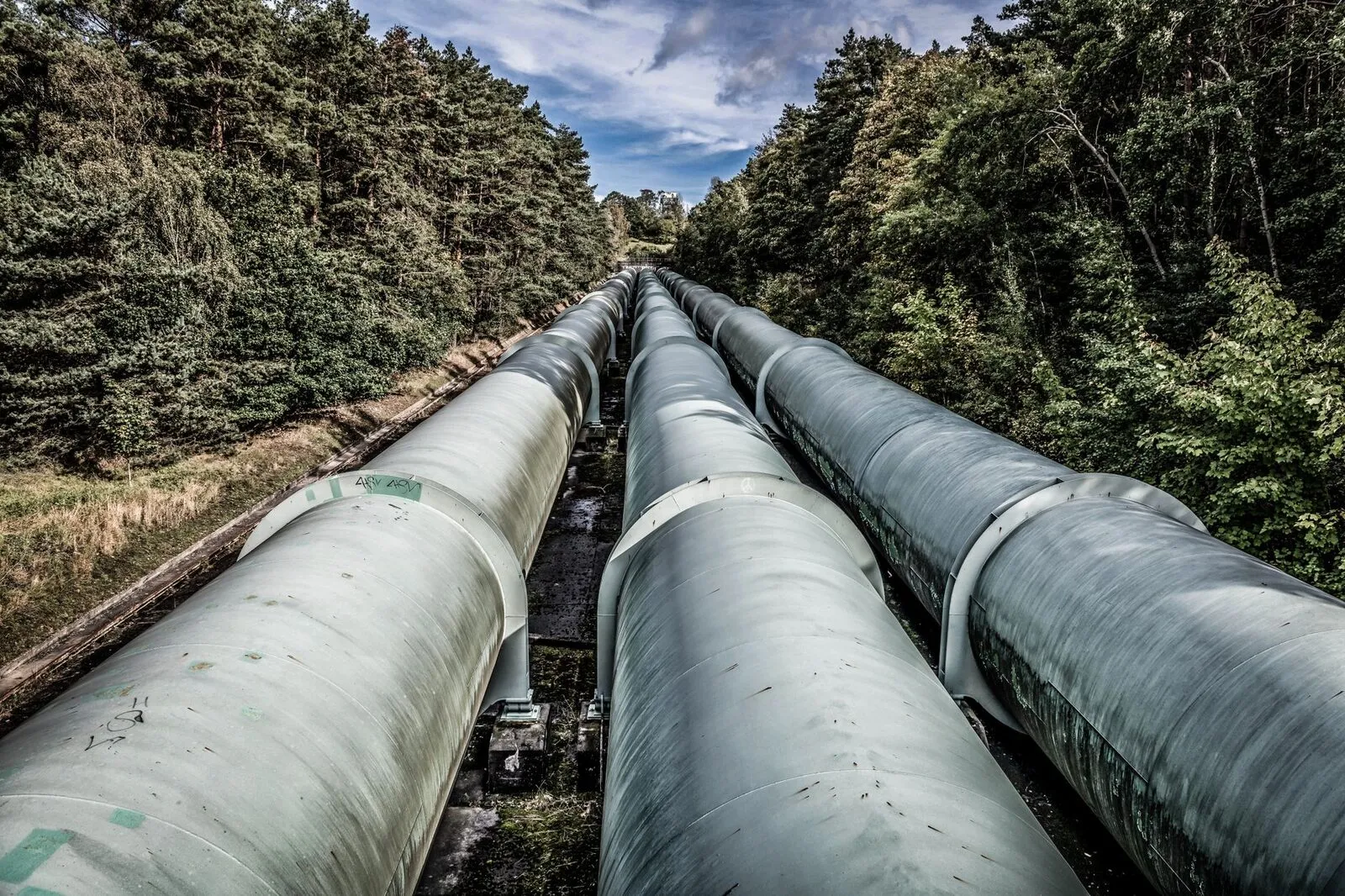
A family farm in Peetz, Colorado, has become a test case for what carbon capture infrastructure looks like when it lands next to somebody’s kitchen. The Hume family has decided to leave their land, according to a Food & Water Watch interview published November 12, but first they are pursuing legal action and telling other landowners what they wish they had known.
Food & Water Watch is an advocacy group with a clear position against carbon capture and storage (CCS), and the piece is an interview with Kari Hume, a plaintiff in Hume v. Tallgrass Energy and a mother of seven. The account below is hers and the group’s. The page does not include a response from Tallgrass.
What changed next door
According to the article, Tallgrass Energy converted the former gas pipeline known as Trailblazer to carry carbon dioxide. The group says the company did so without securing the rights to transport that new substance across the Humes’ property. To make up for the gas the line once carried, Tallgrass also built new gas infrastructure, including a compressor station across the road from the family’s home.
The pipeline is 44 years old and runs about 800 feet from the house, per the article. It now carries compressed CO2 captured at ethanol plants in Nebraska to underground wells in Wyoming.
Kari Hume said the family got a letter about the project in 2022. “But it didn’t explain that a new compressor station would be built right next door, nor did it inform us of the hazards,” she said.
The article also cites Oil & Gas Watch, which reports that the compressor station will release up to 12,600 pounds of hazardous air pollutants each year. That figure is a report relayed by Food & Water Watch, not a number we have checked against a permit.
The farm they are leaving
Brady Hume was born and raised in Peetz and bought the land in 2005, the interview says. It came with a small farmhouse, a cement barn and a cement blacksmith shop. His family farmed wheat and raised cattle there. Kari described moving to the area from Missouri, meaning to bring her husband home, and falling for the landscape instead. From the place, she said, you can see more than 40 miles.
That is the part of this story that gets lost in the policy fights. The land is a working farm and a home, and the family says it can no longer stay.
Why it matters beyond Peetz
Food & Water Watch frames the case as one that is “being repeated all over the country.” CCS, as the group describes it, captures CO2 at polluting facilities and buries it deep underground. The group calls it a failed technology that greenwashes polluting companies. That is its argument, and readers should weigh it as one. The documented part is narrower and concrete: a pipeline changed what it carries, new industrial equipment went up across from a farmhouse, and a family says the notice it received left out the hazards.
For landowners, the practical lesson in the interview is about notice and rights. A letter that describes a pipeline project without mentioning new nearby equipment is a different thing from a full account of what is coming, and Hume says that gap is what her family lived through. The group says the Humes are sharing their story and pushing for policy change so others can avoid the same choice.
The fight over where carbon pipelines can run is also a land-use fight, and the people it touches are often the same farm and ranch families already squeezed by costs. We track that squeeze in our farm bill coverage, and the contamination side of the story lives on our Poisoned Ground page.
What to watch
The legal case is the thing to follow. The interview describes the Humes as pursuing “justice and recompense” through the courts, and the outcome could shape how much say landowners have when an existing pipeline is repurposed. We will update if filings or a company response become available.
For now the facts on the record are few and specific, and they come from one side. They are still worth knowing if a CO2 line is proposed or repurposed near your land.


