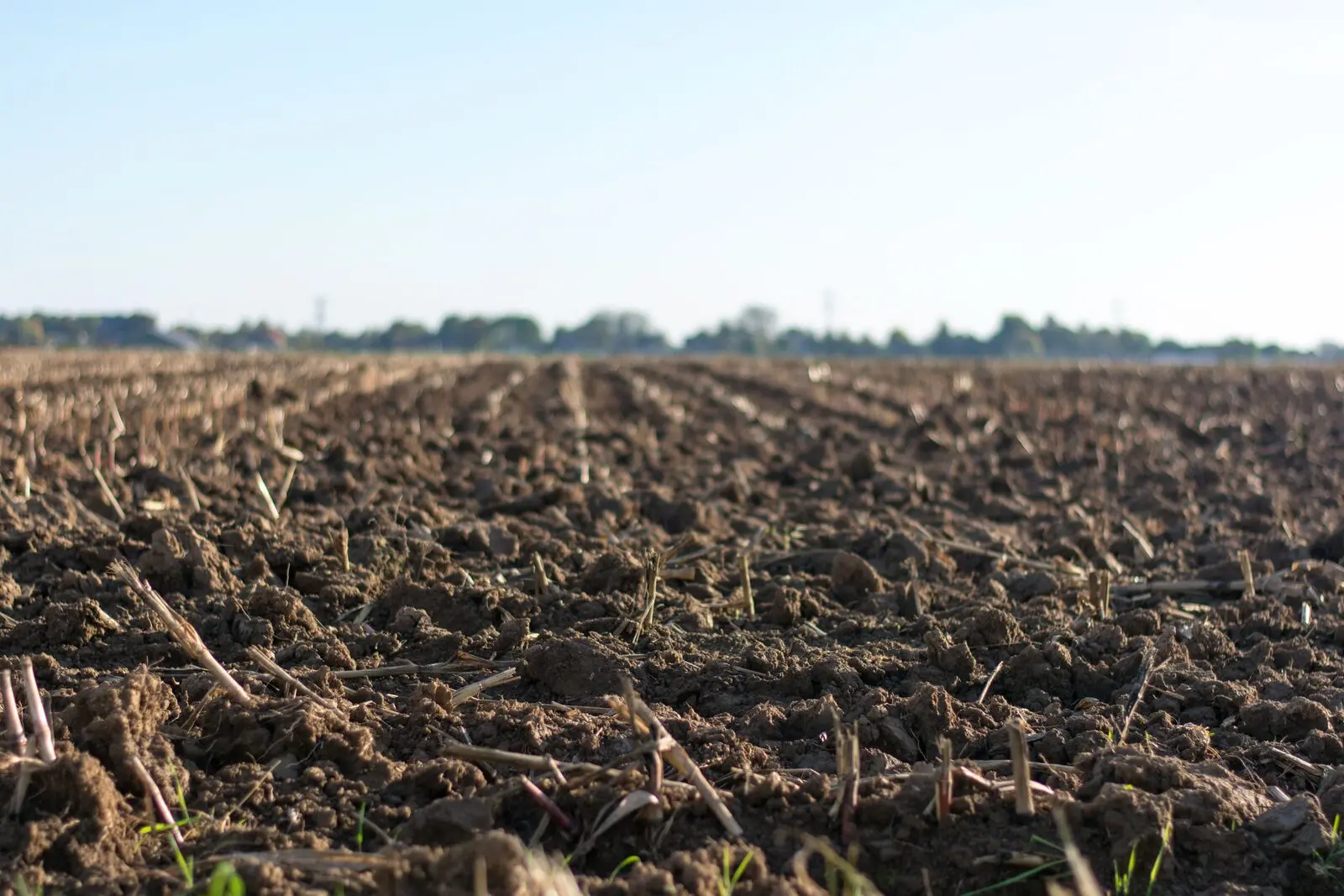
A field can look productive while its soil carries a chemical history. Treated sewage solids, called biosolids when prepared for land application, can contain PFAS from wastewater. EPA’s draft sewage-sludge risk assessment examines potential exposure to two of those chemicals, PFOA and PFOS. It models scenarios in which risks exceed EPA’s acceptable thresholds; it does not say every farm that used biosolids is contaminated or that every crop from those farms is unsafe.
What the federal assessment does and does not do
EPA says the model looks at people living on or near affected sites and people relying heavily on food or water from them. Risk changes with the chemical level in the biosolids, application history, soil and water conditions, what is grown and what people consume. EPA’s farmer fact sheet recommends considering another fertilizer source where a farm may be vulnerable and seeking site-specific advice. A model cannot diagnose an individual field; sampling can.
In July 2026, EPA released draft guidance proposing voluntary ways to reduce PFOA and PFOS risk in biosolids. The agency’s agriculture guidance page says the comment period closed September 4. Draft guidance is not a nationwide PFAS limit for biosolids. The national question remains how to prevent polluted solids from reaching fields and how to help growers who already have them.
Maine’s farm response is a concrete example
Maine’s Department of Agriculture, Conservation and Forestry says PFAS was found in milk at an Arundel dairy in 2016. After a concerning retail milk sample in 2020, state investigators traced its source to a contaminated farm in Fairfield. The state now investigates sites with a history of sludge or septage application. Maine’s health agency explains the pathway: PFAS in soil can move into crops or livestock, and contaminated irrigation water is another route. Maine’s agriculture department says the vast majority of the state’s more than 7,000 farms are likely unaffected.
When a farm’s soil or groundwater tests above screening levels, Maine DACF says it works with the producer on a sampling plan for products, soil, water, livestock or feed, at no cost to the producer. Possible responses include filtering water, keeping animals away from affected sources, changing pasture use, choosing crops with lower uptake or growing on clean land. Those are site-specific choices, not a promise that contamination disappears.
The Environmental Working Group’s sludge analysis estimates that biosolids have been used across a large area of US farmland. That is an estimate of possible exposure, not a map of confirmed contaminated farms. EPA says it lacks national data on what share of biosolids contain PFAS in its 2026 disposal guidance. Farmers need source records and properly collected samples, not a blanket assumption about their fields.
For a Maine producer concerned about a past application, DACF advises contacting its PFAS response program before commercial-farm soil sampling; PFAS sampling requires special care to avoid contamination of the sample itself. Elsewhere, a state agriculture or environmental agency can explain local testing and assistance. The responsibility for identifying a contaminated input should not be pushed onto the grower only after it has been spread.
Related: How PFAS can reach farmland through biosolids and what Iowa private-well tests can establish.


