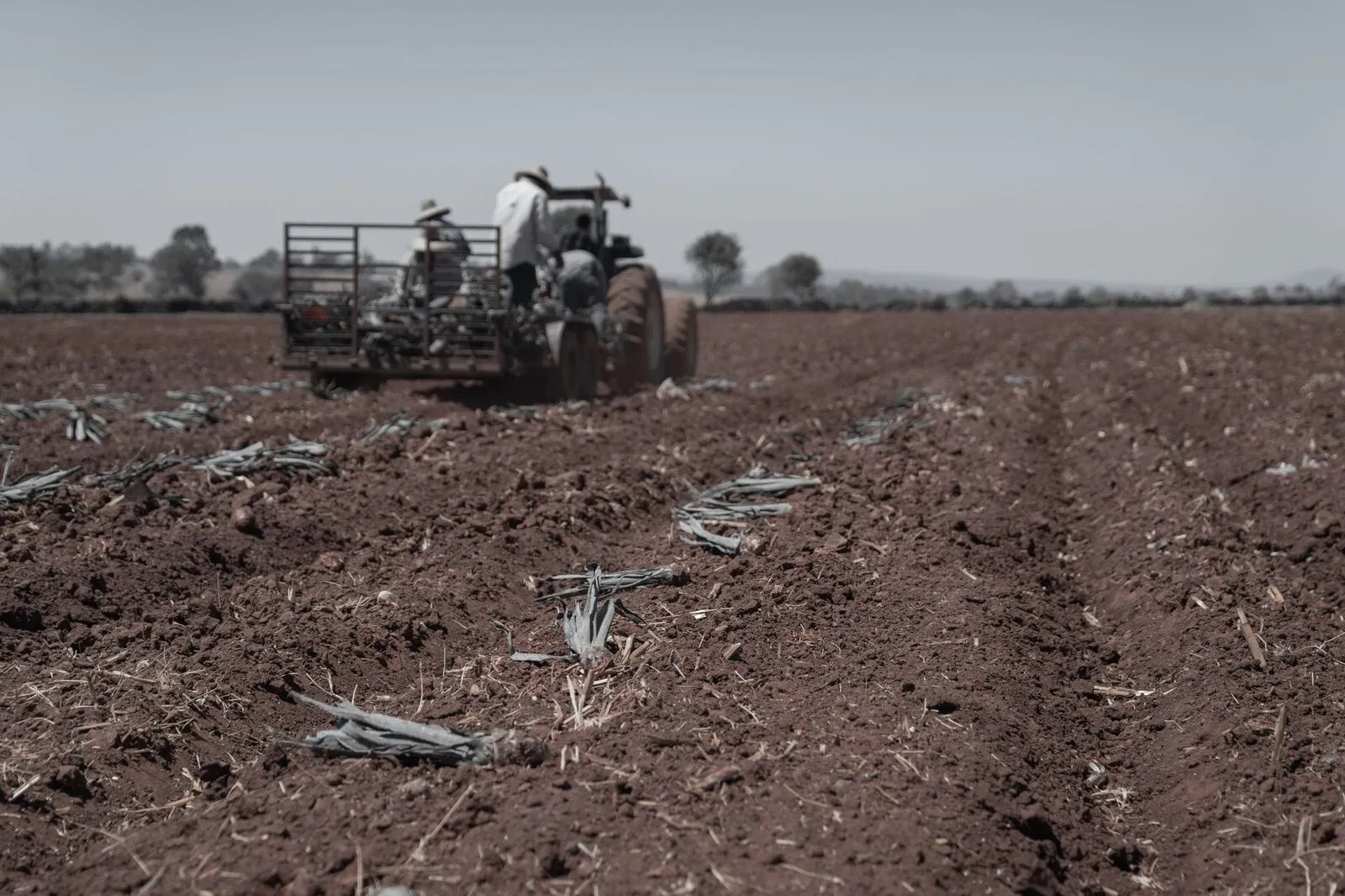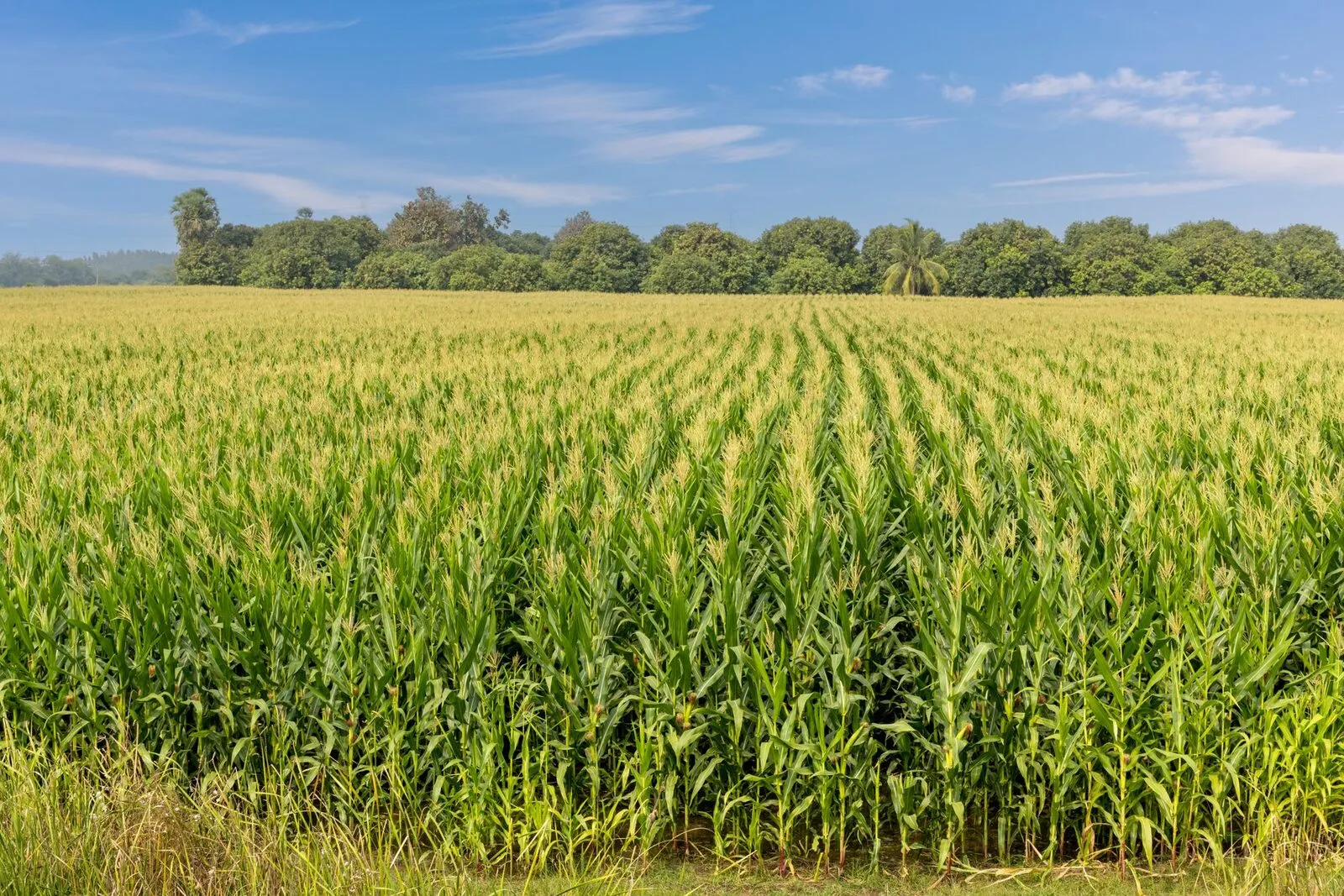
The USDA’s October crop report landed with a shock: corn yields came in higher than traders expected, sending the futures market into a slide. Prices dropped 30 cents a bushel in a single session, landing corn at a 6-week low. For farmers across the Corn Belt already operating on razor-thin margins, the surprise estimate is another hard hit to harvest-season income.
The USDA’s crop estimates carry outsized market weight. Every bushel of yield growth reshapes the supply picture, and when the agency revises estimates upward, it signals more corn on the market. More supply pushing against stable demand equals lower prices. The math is brutal for growers: a 30-cent drop on a 50-bushel corn harvest costs a farmer $1,500 per 100 acres. For operations managing $300,000 to $500,000 annual revenue, that’s real money.
The yield surprise came as farmers were heading into the final stretch of harvest. Many had already locked in delivery dates and prices based on earlier USDA forecasts. The late revision meant the market repriced itself in farmers’ disfavor while they were still bringing crops to the grain bin.
This kind of price volatility isn’t new, but the timing compounds an already difficult season. Farmers have struggled all year with fertilizer costs and volatile input prices. Diesel, seed, and chemical outlays jumped at the start of the growing season. That upfront investment was based on commodity price expectations that have shifted repeatedly. A farmer who planned a budget around $5.50 corn faces a very different year when prices slide to $5.00.
The USDA yield forecast isn’t a prediction. It’s a measurement of what’s actually in the field, built from surveyor data and combine samples across the country. When yields surprise higher, it’s because crops performed better than earlier estimates suggested. That’s good news for production. It’s bad news for prices. Growers can’t unplant corn to manage supply. They can only harvest what’s there and accept the prices the market offers.
The soybeans market told a slightly different story in the same report. Soybean yields also exceeded trade expectations, but prices finished higher despite the larger supply picture. That split reflects how different commodities trade on different fundamentals: soybean meal has its own demand from livestock feed, and export competition keeps the market more dynamic. Corn is more purely a domestic oversupply story when yields jump.
What traders and farmers are watching now is whether the yield surprise triggers further downgrades in farmer expectations. If producers see harvest prices declining faster than they anticipated, some may scramble to sell early rather than risk prices falling further. That urgency to sell could pressure prices even lower. It’s a feedback loop that benefits large operations with storage capacity but punishes growers who need immediate cash flow.
For farmers managing debt payments and equipment loans, the price hit is immediate pressure on cash flow. Many are already holding debt loads that were sustainable at higher commodity prices. Lower harvest income means tighter repayment schedules, harder choices about winter input purchases, and reduced ability to invest in equipment repairs or upgrades.
The broader context is that commodity prices have been weak for years. The USDA yield shock doesn’t happen in isolation. It lands on a market where global corn supplies are ample, export demand remains soft, and domestic livestock feeding is below historical average. A high-yield harvest is just supply side of an equation where demand isn’t keeping pace.
That’s the real trap of commodity farming: individual farmers can’t manage the supply-demand balance. The USDA measures what’s in the field and reports it. Prices adjust. Farmers absorb the impact. The system treats price discovery as something that happens to growers, not something growers participate in shaping.
The season still has weeks to run. Farmers will finish harvest and learn their actual per-bushel prices as grain moves to elevators and the market continues to react to available supply. For many, the USDA report already reset expectations lower. The challenge now is managing that newly adjusted reality.
Related coverage:
Learn more about how rising input costs strain farm finances, the broader challenges of commodity market consolidation, and how climate volatility compounds farming risks.