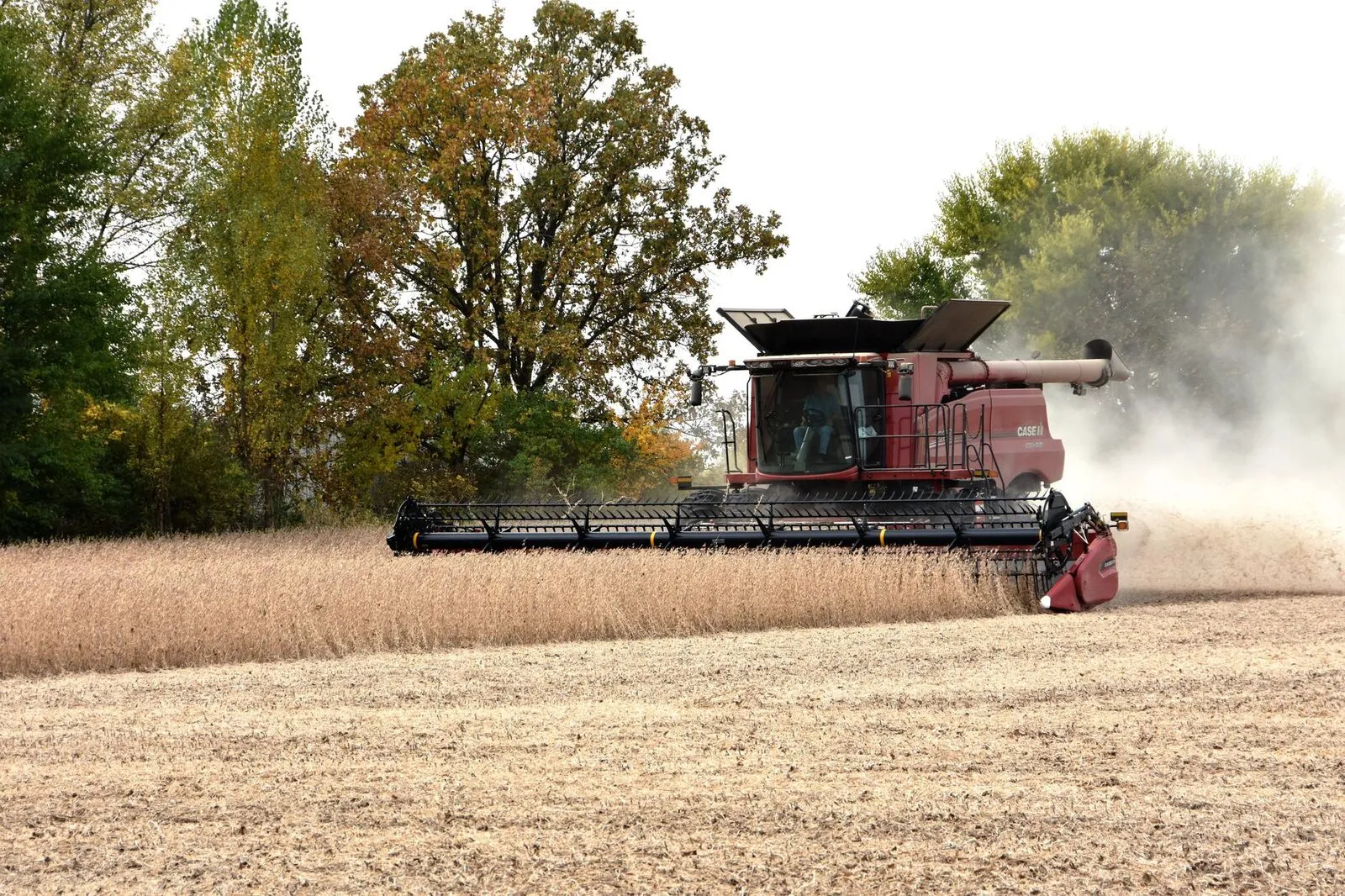
Farmers eyeing Trump’s latest fuel relief may want to check the fine print. An executive order authorizing tax-free red-dye diesel through year-end sounds like a quick win for operations struggling with input costs. But the real picture is messier. Red-dye diesel, approved for on-road use with state approval, doesn’t automatically mean the federal taxes disappear.
The distinction matters. Red-dye (also called “off-road diesel”) normally costs less because it’s taxed lower. It’s dyed red to prevent misuse in on-road vehicles. For decades, farmers could buy it cheap for equipment and machinery, but couldn’t legally run it in trucks on public roads. The executive order clears that road-use restriction through the end of 2026, giving farmers a cheaper fuel option for hauling and transport.
What it doesn’t clear up: whether farmers actually owe federal excise taxes on it. Experts warn the move doesn’t necessarily eliminate those taxes, even with state approval. Some agricultural groups predict the policy will still leave tax bills on the table, creating confusion at the pump when bills come due.
That’s a problem for farmers already pinched. Input costs remain a sharp financial challenge heading into the 2027 crop cycle, and fertilizer prices are among the most pressing concerns. Every dollar matters. The Biden-era rules that treated dyed diesel differently from standard fuel made sense for environmental and tax policy. But with narrow operating margins and volatile commodity prices, the fog around whether this order actually cuts costs may leave farmers gambling on savings that don’t materialize.
Operations looking to take advantage should work with tax advisors before filling the tank.
Cross-reference: Farmers earlier this year discussed strategies for managing fertilizer costs in a volatile market, and tight margins have continued to squeeze operations as agricultural groups warn the new California wage law will increase costs.