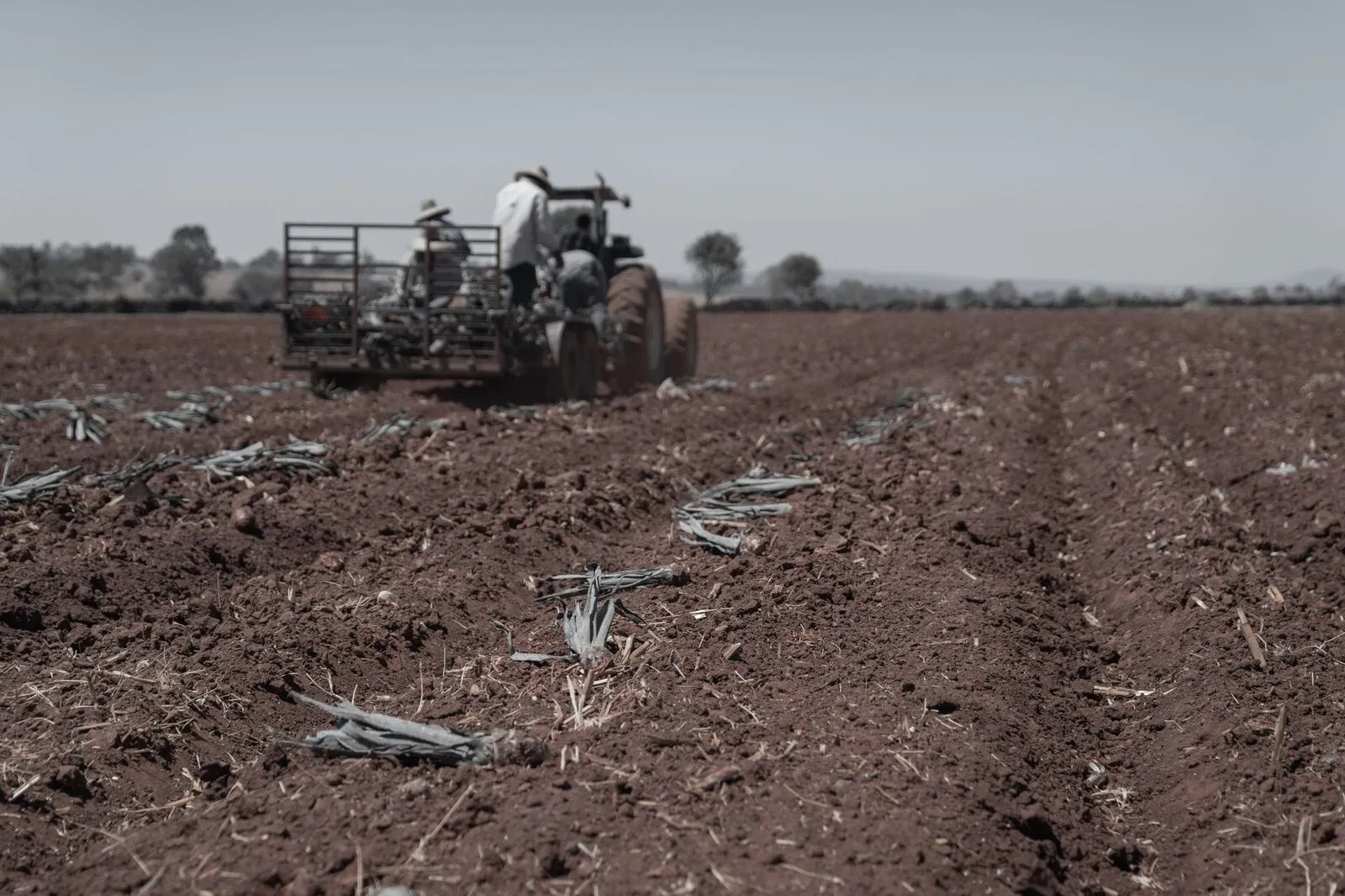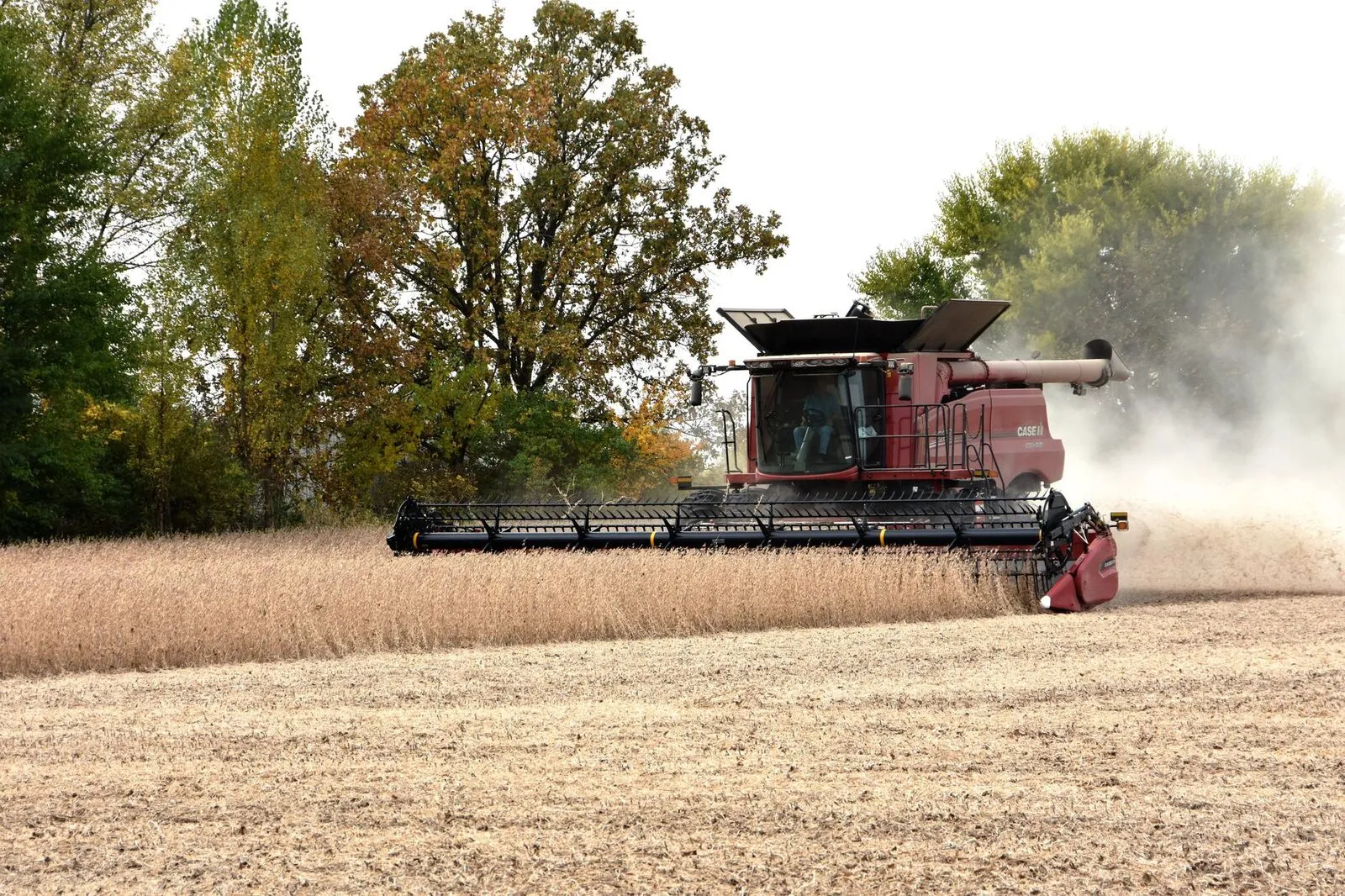
Harvest season is supposed to be farmers’ moment to cash out. But in Arkansas and Missouri this fall, four peanut buying points shut down just before farmers could bring in their crops, leaving producers with nowhere to sell. The collapse exposed a brutal truth: commodity farmers operate on a knife’s edge, dependent on a shrinking number of buyers with power to vanish overnight.
The buying point closures created an immediate crisis. Farmers had already invested labor, fuel, and time planting and tending peanuts through the season. The infrastructure to move those crops to market simply evaporated. For operations already squeezed by fertilizer costs, diesel prices, and flat commodity returns, the sudden loss of a buyer can mean the difference between breaking even and financial ruin.
What happened in the Delta wasn’t an anomaly. It’s the logical end-state of a commodity system that has consolidated buyers and market access into fewer hands. Farmers used to have choices: multiple local gin operators, multiple elevators, multiple buyers competing for their grain or cash crops. That competition kept prices more transparent and gave producers real options. Today, the infrastructure is concentrated. When one buyer goes dark, there’s often no immediate alternative.
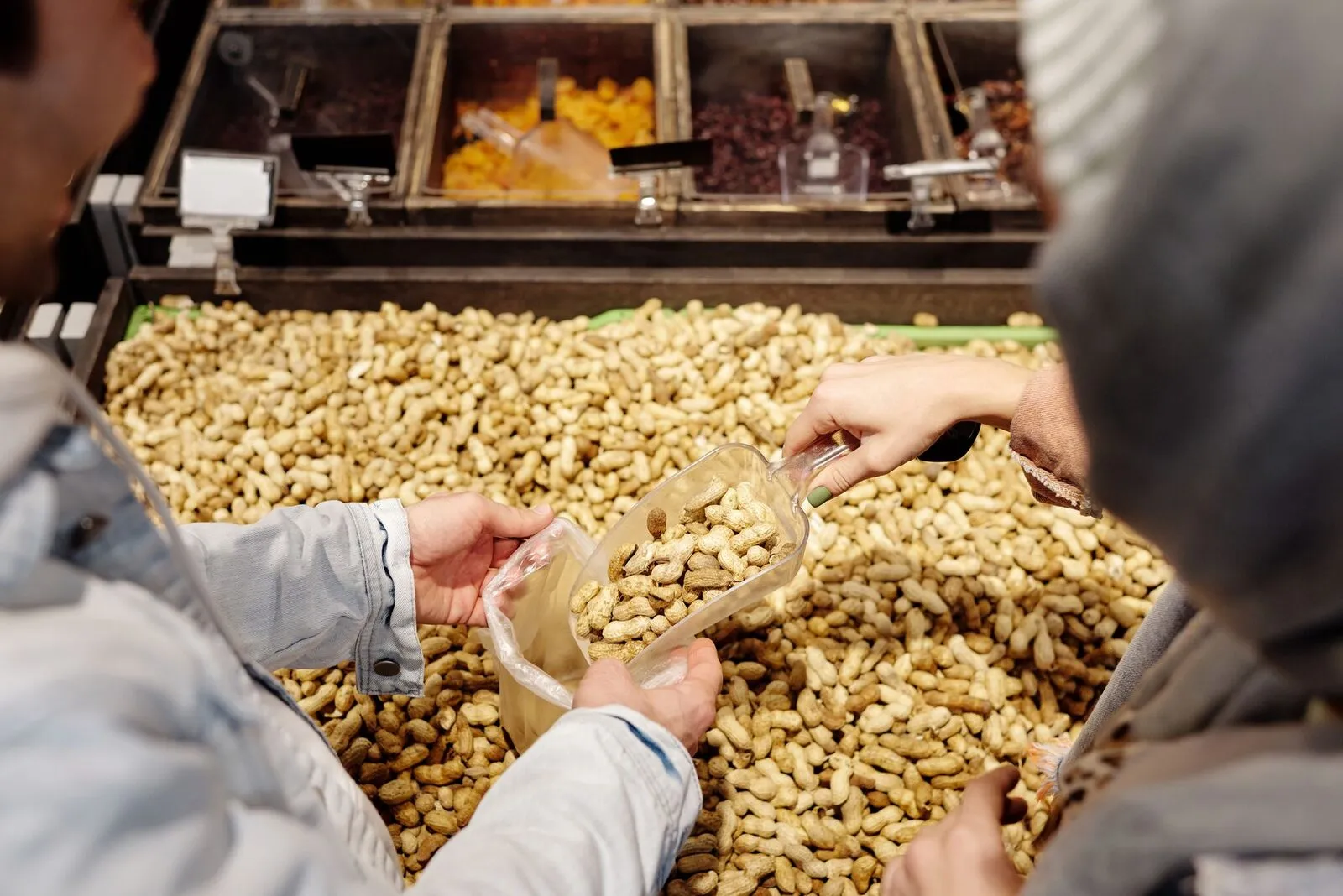
The peanut market is particularly vulnerable. Unlike corn or soybeans, which move through established commodity futures markets and widespread elevators, peanuts move through a tighter, more regional supply chain. The collapse of four buying points in one area can shut down a region’s ability to move crops at all.
The timing made the disaster sharper. Harvest windows are narrow. Delay a sale by a few days and weather can ruin the crop. Farmers can’t hold their harvest indefinitely waiting for new buyers to emerge. They need to move product when it’s ready.
Observers are asking hard questions now: how consolidated is the commodity buying infrastructure in each region, and what happens when one company that controls the buying points leaves. Are farmers across other commodities facing the same risk.
The Delta Peanut collapse is a warning about what happens when market infrastructure narrows too far. Farmers aren’t passive. They’ll plant what makes sense. But if the people who buy what they plant can disappear without warning, the whole system becomes a gamble farmers didn’t sign up for. And they’re the ones holding the risk.
Related coverage:
Read more about how commodity farmers struggle with debt and market volatility, the ongoing costs of input inflation, and how consolidation limits farmer choice.