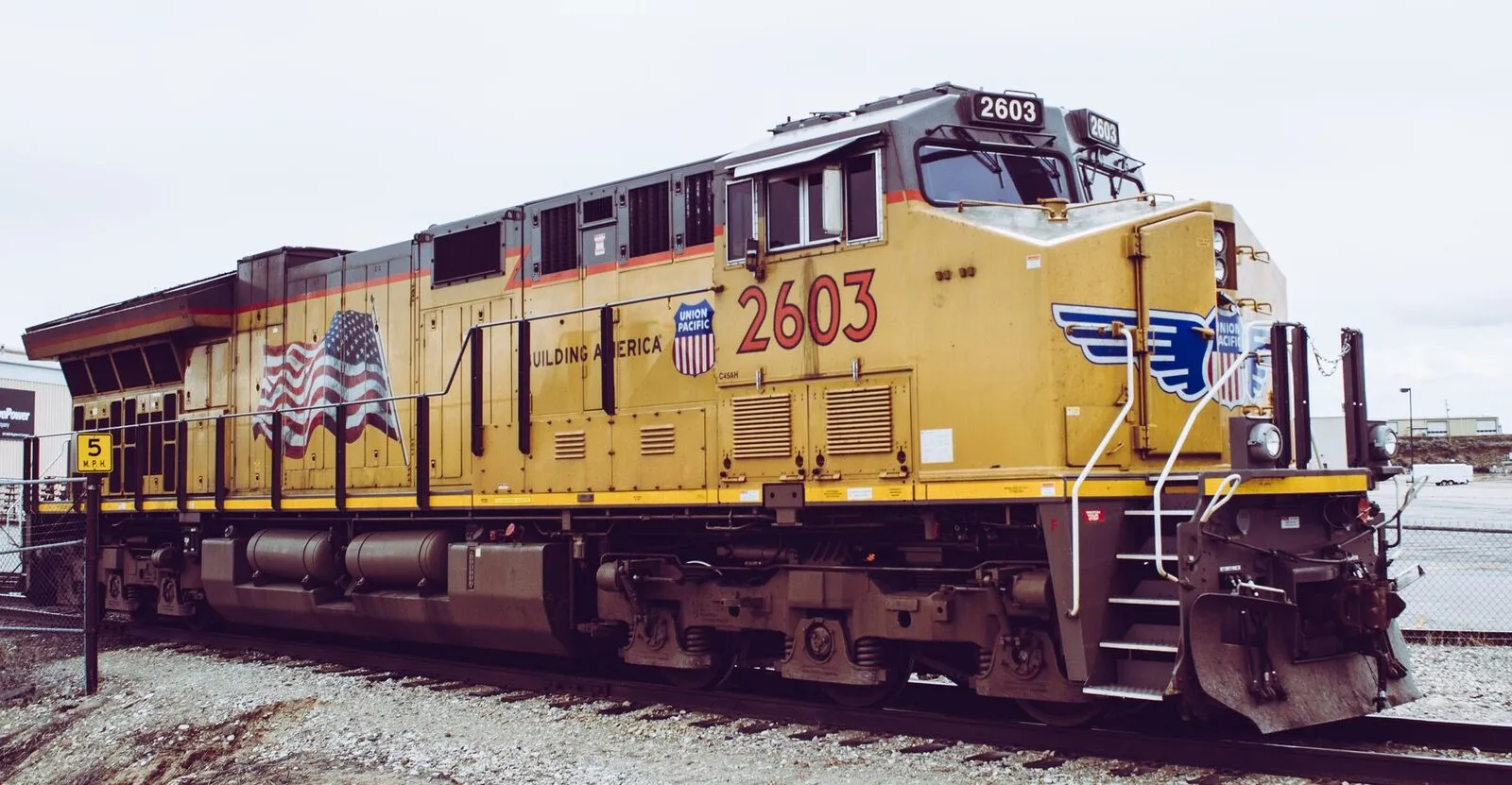
Seven state attorneys general are urging federal regulators to block an $85 billion merger between Union Pacific Railroad and Norfolk Southern Railway, arguing the deal would devastate rural shippers and eliminate what little competition remains for getting farm products to market.
The consolidation would create one of North America’s largest freight networks, but rural shipping advocates warn it would hand even more power to an already-consolidated industry. For farmers and agricultural shippers—especially those in the Midwest and South where rail is critical for moving grain, livestock, and equipment—the merger represents another squeeze in an economy already tilted against independent operations.
State attorneys general from Pennsylvania, Wisconsin, Arkansas, Louisiana, South Carolina, Washington, and Arkansas filed formal opposition with the Surface Transportation Board, which oversees railroad mergers. Their argument is stark: the deal would eliminate one of just a handful of major rail operators serving rural America, leaving shippers with no real alternatives when rates spike.
Rail consolidation has been a decades-long story. Two major Class I railroads—Union Pacific and Norfolk Southern—already control vast networks. A merger would reduce the major players to just three or four in North America, giving farmers and regional shippers almost no leverage to negotiate competitive rates. “This isn’t about two companies merging—it’s about the end of choice,” one state official noted.
For farmers, especially grain producers in the Corn Belt and cotton growers in the South, rail is often the only economical way to move bulk commodities long distances. Truck transport works for short hauls but becomes prohibitive for 500-plus-mile journeys. A monopoly or near-monopoly railroad environment means captive shippers—farmers forced to accept whatever rates the railroads demand or watch their products spoil waiting for alternatives.
The timing cuts deep. Farmers are already crushed by debt and volatile commodity prices, and rising transportation costs directly erode already-thin margins. A farmer can’t absorb a 20% spike in rail rates to the export terminal. That cost gets passed backward—to the farmer’s bottom line.
Consolidation in transportation echoes broader trends across agriculture. Equipment giants like John Deere have locked down repair markets, seed and chemical companies have merged repeatedly, and meatpackers have consolidated to the point where just four firms control 80% of beef processing. Adding rail consolidation to that list creates a supply-chain chokehold—farmers dependent on fewer and fewer companies for inputs, services, and market access.
Norfolk Southern has recently faced operational scrutiny and financial pressure; Union Pacific has pursued aggressive expansion. Railroad industry observers say the merger is partly about cost-cutting—combining networks to eliminate redundancy and reduce labor. That efficiency math works for shareholders. For rural communities and farm operations already stretched thin, it’s another cost externality they’ll absorb.
The Surface Transportation Board will ultimately decide. Historically, railroad mergers have received approval with conditions, but this one faces unusual political headwinds. Rural state AGs have leverage when rail impacts agriculture and regional economies. Still, the railroads will argue the merger enhances efficiency and investment in infrastructure—claims that regulators have sometimes accepted in prior deals.
The farmer’s stake is simple: sustained competition on rail rates, or resignation to whatever prices two or three national players decide to charge. Given the power asymmetry already favoring consolidated ag suppliers, farmers can’t afford another link in the chain to tighten around their necks.